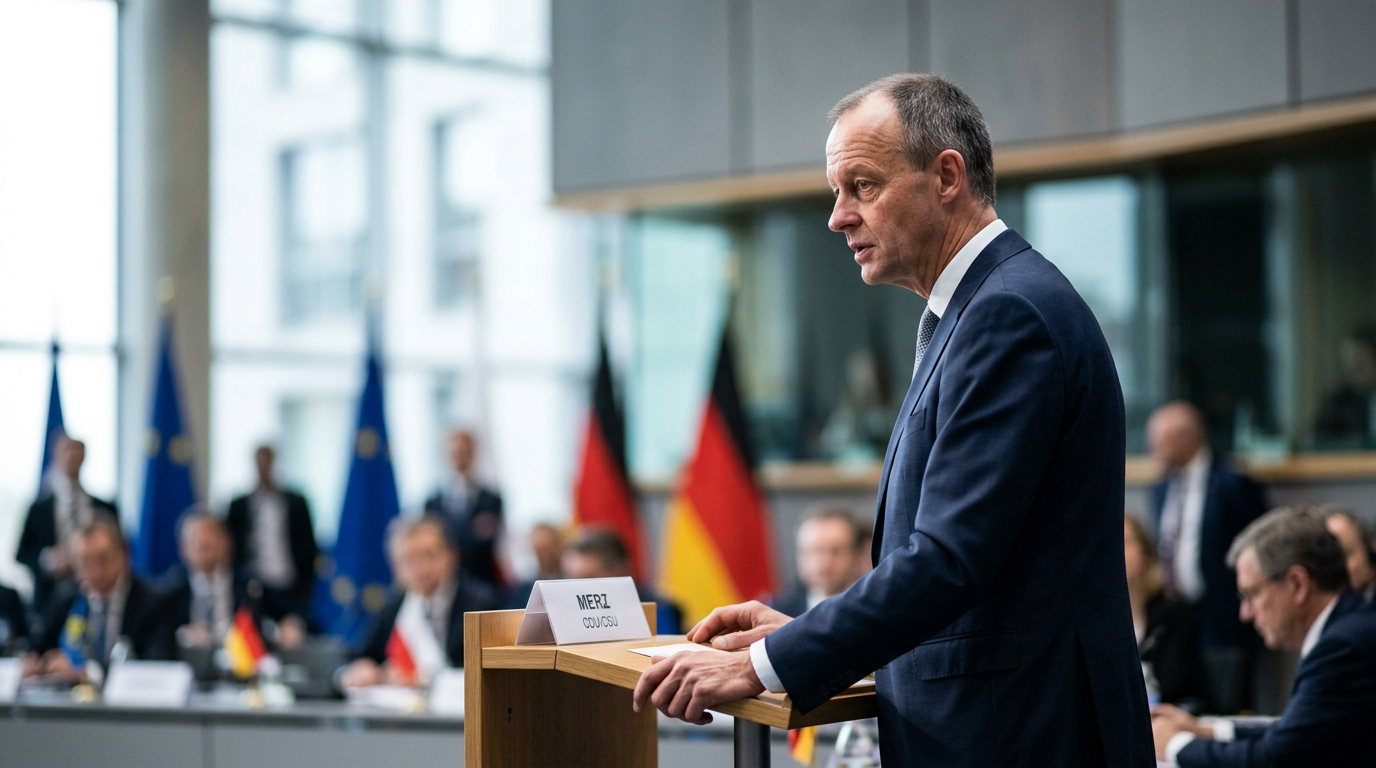
Exiled Leader Sheikh Hasina Vows December Return to Bangladesh Amid Death Sentence and Political Turmoil

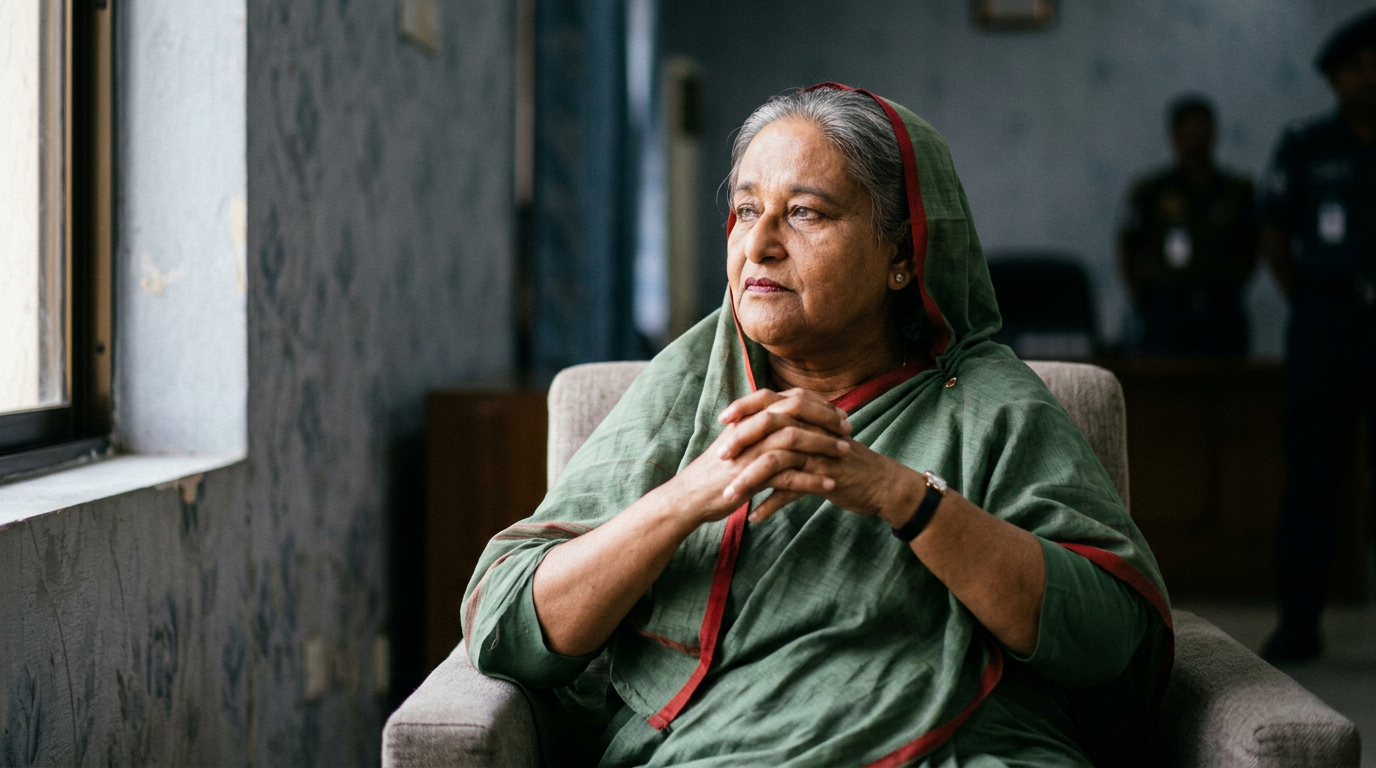
Former Bangladeshi Prime Minister Sheikh Hasina has declared her intent to return to Bangladesh by December of this year, despite facing a death sentence in absentia and the proscription of her political party. Her resolute vow, made from exile in India, sets the stage for a potentially dramatic political confrontation in a nation still grappling with the aftermath of her ouster in 2024 and ongoing political instability. The 78-year-old leader, who governed Bangladesh for 15 consecutive years, asserts her return is a duty to her people, even as the current government promises immediate arrest upon her arrival.
Two Years in Exile: The Uprising and Hasina's Departure
Sheikh Hasina's latest period of exile commenced in August 2024, when she fled Bangladesh amidst a widespread student-led uprising that quickly morphed into a mass anti-government movement. The initial protests, sparked by grievances over civil service job quotas, escalated rapidly, fueled by deep-seated public discontent regarding her government's increasingly authoritarian tendencies, allegations of corruption, and concerns over human rights abuses during her prolonged tenure. Her administration's violent crackdown on the protests in July and August 2024 reportedly resulted in the deaths of approximately 1,400 individuals, according to United Nations estimates. As tens of thousands of protesters converged on her official residence in Dhaka, Hasina was forced to evacuate by helicopter, a hasty departure that she later described as leaving her with only minutes to prepare and unaware she was even leaving the country. She has since resided in India, where she has been provided security.
A Return Defined by Duty, Threatened by Law
From her undisclosed location in India, Sheikh Hasina has repeatedly affirmed her commitment to returning to her homeland by December 2026, a month historically significant for Bangladesh as it marks the nation's victory in its 1971 war of independence. She has characterized her decision not as a personal ambition but as an inescapable duty to the Bangladeshi people, believing she must help rescue a country she perceives as sliding into economic distress and democratic decline. However, her potential return is fraught with peril. A special tribunal in Bangladesh, operating in 2025, sentenced her to death in absentia, convicting her of crimes against humanity linked to the deadly suppression of the 2024 protests. In addition to this capital sentence, she faces multiple other criminal cases. Bangladesh's Law Minister, M. Asaduzzaman, explicitly stated in late July that Hasina would likely be arrested immediately upon re-entering the country, requiring her to surrender to the judiciary. Hasina, however, dismisses the verdict as politically motivated, illegal, and unconstitutional, asserting that such threats will not deter her.
The Shifting Political Landscape in Dhaka
Hasina's extended absence and the circumstances of her departure have drastically altered Bangladesh's political landscape. Her Awami League party, which had been a dominant force for years, was officially banned in May 2025 by the interim government, curtailing its political activities. Following her ouster, the Bangladesh Nationalist Party (BNP), led by Tarique Rahman, assumed power after winning elections earlier this year from which Hasina's party was excluded. This transition marked a significant shift from the political environment under Hasina, which, despite overseeing considerable economic growth and development, drew criticism for consolidating power, stifling dissent, and restricting political opposition and press freedom. The current interim government, under Nobel laureate Professor Muhammad Yunus initially, and now with the BNP in power, faces the immense challenge of stabilizing a nation still reeling from the July-August 2024 unrest. The ban on the Awami League and the multitude of charges against its former leader complicate any prospects for national reconciliation or a smooth political transition.
Regional Ripples: India's Delicate Balance
Sheikh Hasina's exile in India has created a delicate diplomatic tightrope walk for New Delhi, which has historically maintained close ties with Bangladesh and particularly with Hasina's government. While India has provided her with security, its government has officially distanced itself from her political statements made from its soil, emphasizing that such remarks reflect her personal views, not India's official stance. This diplomatic balancing act highlights the complex geopolitical dynamics of the region. India's perceived support for Hasina during her rule and its reluctance to extradite her have strained relations with Bangladesh's new leadership. Demands from Bangladeshi officials for Hasina's extradition to face justice underscore the tension and the potential for her return to further complicate bilateral relations. The unfolding situation positions India between its strategic interests in Bangladesh and the political implications of harboring a leader wanted by a neighboring state.
Conclusion: An Uncertain Homecoming
Sheikh Hasina's unwavering pledge to return to Bangladesh by December represents a pivotal moment for a country still finding its footing after significant political upheaval. Her planned homecoming, underscored by her conviction of fulfilling a national duty, will test the resolve of the current Bangladeshi government and the loyalties of her supporters. With a death sentence awaiting her and her party outlawed, her return is poised to ignite further political instability and potentially challenge the nascent political order established since her departure. The coming months will reveal whether Hasina's determination can overcome the legal and political barriers, or if her bold declaration will culminate in a dramatic re-entry into a highly charged and uncertain future for Bangladesh.
Related Articles

Ratko Mladić, "Butcher of Bosnia" and Convicted War Criminal, Dies at 84
THE HAGUE, Netherlands – Ratko Mladić, the former Bosnian Serb military commander known as the "Butcher of Bosnia" and convicted of genocide, war crimes, and crimes against humanity, has died at the age of 84. Serbian...

Long-Awaited 9/11 Mastermind Trial Set for 2028, Decades After Attacks
GUANTANAMO BAY, Cuba – Nearly a quarter-century after the devastating terror attacks of September 11, 2001, a military judge has finally set a trial date for Khalid Sheikh Mohammed, the alleged mastermind behind the...