Exiled Prince Urges Escalation of Iran Protests, Calls for Seizure of City Centers
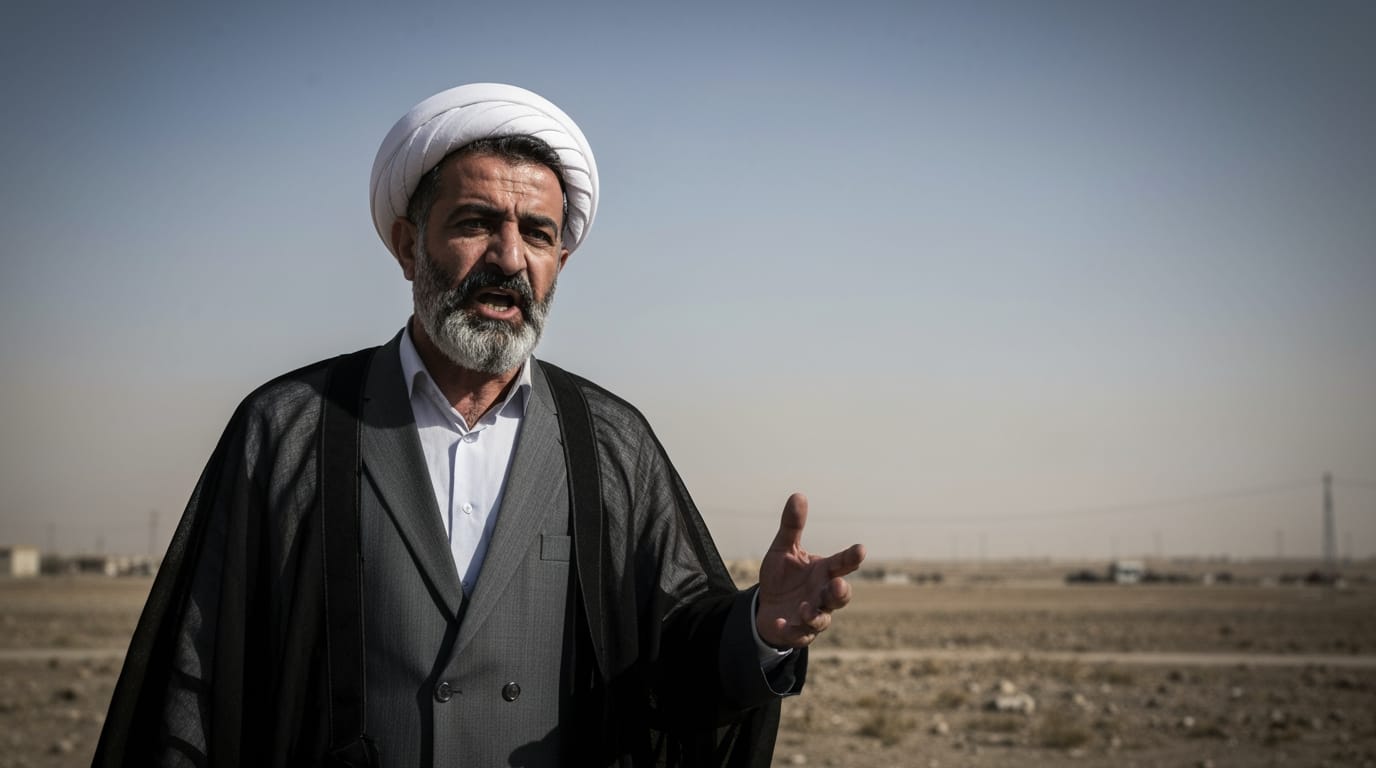
Exiled Iranian Crown Prince Reza Pahlavi has dramatically escalated his calls for continued and intensified protests against the Islamic Republic, urging demonstrators to transition from street rallies to actively seizing and holding urban centers across the country. His directive, issued amidst a sustained internet blackout and ongoing widespread unrest, marks a significant shift in the exiled opposition's strategy and seeks to capitalize on mounting dissent fueled by deep economic hardship and systemic grievances.
The latest exhortation from Pahlavi, the eldest son of Iran's last Shah, Mohammad Reza Pahlavi, comes as Iran grapples with nearly two weeks of nationwide demonstrations, characterized by an unprecedented geographic spread and a direct challenge to the regime's authority. His pronouncements on January 10, 2026, imploring citizens to rally for two more nights with the explicit aim of controlling public spaces, inject a new, potentially revolutionary, dimension into the unfolding crisis.
A Direct Call for Urban Control and Economic Disruption
In a video statement released on X (formerly Twitter), distributed widely despite severe internet restrictions, Reza Pahlavi specifically called for Iranians to take to the streets on Saturday, January 10, and Sunday, January 11, starting at 6 p.m. local time. He urged participants to display national flags and symbols, transforming protests into efforts to "claim public spaces as your own." Crucially, Pahlavi articulated a new, more ambitious objective: "Our goal is no longer merely to come to the streets; the goal is to prepare for seizing the centers of cities and holding them." He suggested protesters move toward city centers from multiple routes, link separate crowds, and prepare for prolonged stays by arranging basic supplies.
Beyond street demonstrations, the exiled prince also appealed to workers in critical economic sectors, including transportation, oil and gas, and the broader energy industry, to initiate a "nationwide strike." This move aims to exert economic pressure, intending to "cripple [the regime's] ability to continue its crackdown" by cutting off its financial lifelines. Pahlavi further addressed members of Iran's security forces, particularly the "youth of Iran's Immortal Guard," urging them to "slow down and disrupt" the Islamic Republic's "repression machine," with the ultimate goal of disabling it at a decisive moment.
Pahlavi's recent calls have resonated significantly, demonstrating an "operational leadership" that previous exiled opposition efforts often lacked. His earlier calls for protests on Thursday and Friday, January 8 and 9, saw millions heed the call across Iran, drawing praise from Pahlavi for their "courage and resilience" and earning the "admiration of the world." He stated his conviction that the scale of these demonstrations had "shaken the ruling establishment" and exposed the "fragility of its security apparatus." Signaling his personal commitment, the Crown Prince announced his preparations to return to Iran, asserting that he would stand alongside the Iranian people for the "revolution's victory," which he believes is "very near."
A Nation on Edge: The Grievances Fueling Widespread Unrest
The latest wave of protests, which began around December 28, 2025, represents the most significant challenge to the Islamic Republic since the "Woman, Life, Freedom" uprising of 2022. Unlike some prior movements, these protests are not singular in their focus but are instead driven by a confluence of deep-seated grievances. Economic hardship stands as a primary catalyst, with Iranians struggling under a steep decline in the value of the national currency, soaring inflation estimated between 42% and 48% annually, and a general deterioration of living standards. The value of the Rial has plummeted drastically, exacerbating the daily struggles of ordinary citizens.
Beyond economic woes, the demonstrations reflect broader discontent with government corruption, mismanagement, and the regime's regional military interventions. Protests have erupted in over 180 cities across all 31 provinces, highlighting the widespread nature of the disillusionment. Videos circulating online, despite the internet shutdown, have shown thousands marching and even burning a building belonging to state broadcasters, and hoisting the pre-1979 revolution flag featuring the lion and sun emblem. This widespread participation underscores a society reaching a breaking point, with protests spanning from impoverished areas to middle-class neighborhoods and Kurdish regions to Baluch areas.
The regime's response has been swift and severe. Supreme Leader Ayatollah Ali Khamenei has publicly denounced protesters as "vandals" and "saboteurs," accusing the United States and Israel of instigating the unrest. Authorities have imposed a nationwide internet blackout, which has been in place for over 36 hours, a tactic frequently employed to hinder communication and obscure the scale of repression. Human rights organizations report at least 65 deaths, including 50 protesters and 14 security officials, with over 2,300 arrests. The regime has deployed the Islamic Revolutionary Guard Corps (IRGC) Ground Forces in some provinces, a rare move indicating the perceived severity of the threat. However, reports also indicate instances of security forces refusing orders to fire on demonstrators, suggesting potential fractures within the state apparatus. International reactions have seen US President Donald Trump warn against lethal force and express support for the protesters, while European leaders have urged restraint from Iranian authorities.
The Exiled Crown Prince's Enduring Influence
Reza Pahlavi, born in Tehran in 1960, was officially named crown prince at the time of his father's coronation in 1967. Following the 1979 Islamic Revolution and the overthrow of the monarchy, he went into exile. From his base in Potomac, Maryland, Pahlavi has actively participated in political activities opposing the Islamic Republic, positioning himself as a leading figure in the Iranian democratic opposition. He advocates for a secular, liberal democracy and a constitutional monarchy in Iran, emphasizing the importance of a national referendum to determine the future form of government. He explicitly states that he does not seek to claim power but rather to act as a "steward of a national transition to democracy," unifying diverse democratic forces.
Despite nearly 47 years in exile, Pahlavi's influence appears to be growing, particularly in recent years. Chants in support of Pahlavi have emerged in Iranian streets, a phenomenon that was "unthinkable in public space just years earlier," signaling a psychological barrier being crossed among the populace. His ability to orchestrate nationwide, simultaneous demonstrations marks a turning point in the Iranian opposition landscape. While some critics in the pro-democracy movement have raised questions about his approach or the potential for manipulation, the effectiveness of his recent calls underscores his increasing relevance as a focal point for dissent against the current regime.
Escalation and an Uncertain Future
The call to seize city centers represents a significant strategic escalation by the exiled opposition, moving beyond mere symbolic demonstrations to an explicit challenge for control. Coupled with calls for nationwide strikes in critical industries, this strategy aims to create a multifaceted crisis that could overwhelm the regime's repressive capabilities. The appeals to security forces to slow the "repression machine" also highlight an attempt to exploit any internal fissures or wavering loyalties within the state.
However, the regime's history of brutal crackdowns, particularly during periods of internet blackouts, raises serious concerns about the potential for increased violence. The Supreme Leader's defiant stance and the deployment of IRGC forces underscore the regime's determination to suppress dissent by any means necessary. The ongoing internet blackout further complicates the situation, limiting open-source information and potentially facilitating more severe state actions away from international scrutiny.
The coming days will be critical as Iranians respond to Pahlavi's call for intensified action. The deep-seated economic and social grievances, combined with a seemingly more coordinated and emboldened opposition, suggest that the current wave of unrest is far from over. The future of Iran remains uncertain, poised precariously between the regime's firm resolve to maintain power and a populace increasingly willing to risk everything for fundamental change.


