Venezuela and US Begin Exploratory Talks to Restore Diplomatic Ties Following Maduro's Ouster
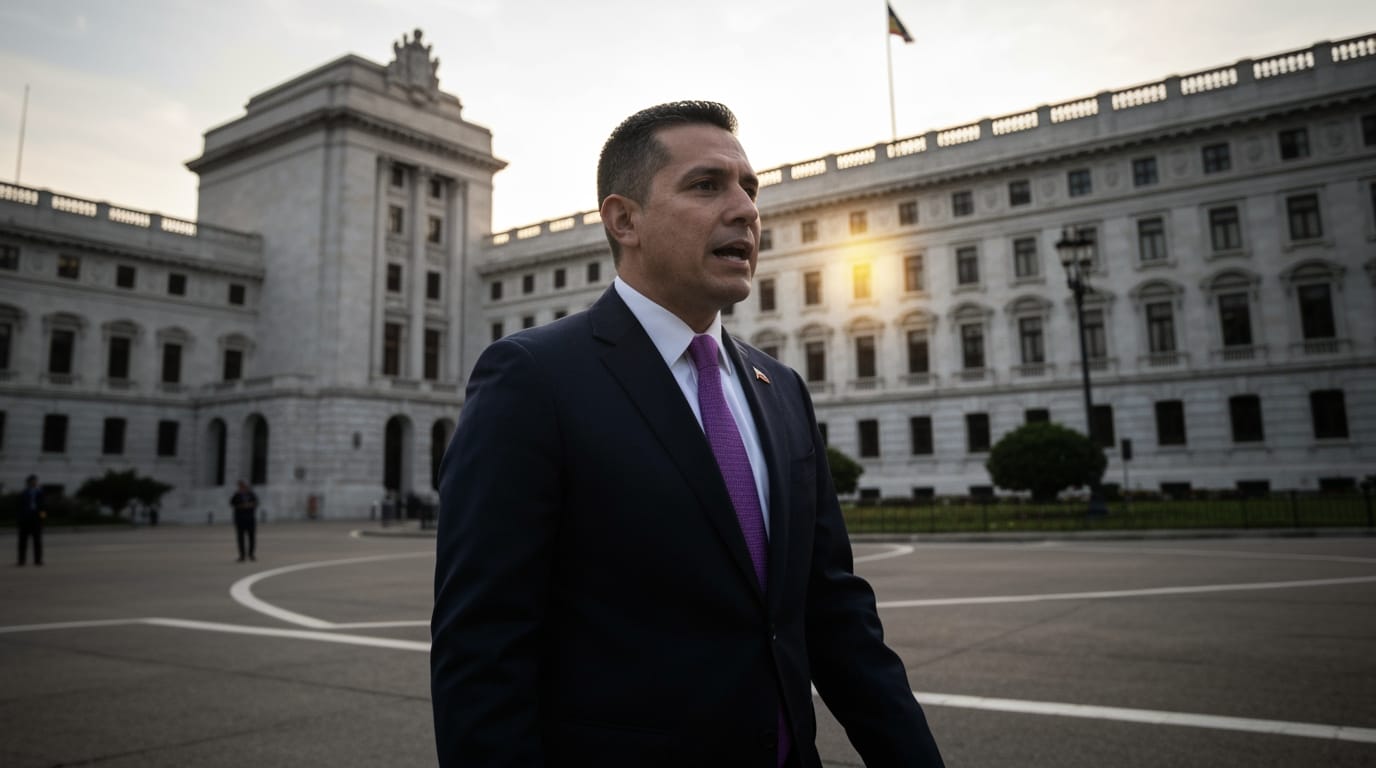
Caracas, Venezuela – In a dramatic shift reshaping the geopolitical landscape of the Americas, Venezuela and the United States have embarked on exploratory discussions aimed at restoring full diplomatic relations, severed in 2019. This unprecedented dialogue follows the recent capture of former Venezuelan President Nicolás Maduro by U.S. forces and the subsequent installation of an interim government in Caracas. The move signals a potential new era for two nations locked in a prolonged period of animosity, driven by Venezuela's profound political and economic crisis and Washington's unwavering pressure campaigns.
The announcement came on January 9, 2026, from Venezuela's interim President Delcy Rodriguez, through Foreign Minister Yvan Gil, confirming an "exploratory diplomatic process" to re-establish diplomatic missions in both capitals. Concurrently, a U.S. delegation, led by John McNamara, the top U.S. diplomat in neighboring Colombia, arrived in Caracas to assess the potential reopening of the U.S. Embassy, which has been shuttered since the breakdown of ties. Venezuela has indicated its intention to send its own delegation to Washington, marking a significant step toward de-escalation and potential rapprochement after years of estrangement.
A New Chapter After Maduro's Fall
The impetus for these sudden talks is directly linked to the recent, dramatic events surrounding Nicolás Maduro. Last week, U.S. special forces captured Maduro and his wife, Cilia Flores, at a compound in Caracas. The former leader was subsequently transported to the United States to face federal charges, including narcoterrorism. This swift and decisive action removed a central figure of contention and paved the way for the interim government under Delcy Rodriguez to assume power. President Donald Trump has publicly backed Rodriguez as the interim leader, contingent on Caracas's cooperation and, notably, granting Washington access to Venezuela's vast oil reserves. This shift in leadership has created an immediate opening for diplomatic engagement that was previously deemed impossible under Maduro's continued rule.
The U.S. delegation's visit to Caracas serves as a preliminary assessment for a phased resumption of operations at the American embassy. While the interim Venezuelan government expressed its commitment to restoring diplomatic ties, Foreign Minister Gil's statement also included a condemnation of what he termed the "serious, criminal, illegal and illegitimate attack" by the United States regarding Maduro's capture. This suggests that while dialogue has begun, underlying tensions and differing interpretations of recent events persist.
Decades of Deterioration and Sanctions
The relationship between the United States and Venezuela has been marked by increasing hostility over the past two decades. Historically, relations were strong, particularly through much of the 19th and 20th centuries, with significant trade agreements in place since 1836. However, this dynamic began to shift dramatically with the rise of Hugo Chávez to power in 1999. Chávez's socialist agenda and his increasing criticism of U.S. foreign policy led to a gradual deterioration of ties.
Under Chávez and his successor, Nicolás Maduro, Venezuela experienced a deepening political and socioeconomic crisis. The U.S. response intensified with a series of escalating sanctions. Initial targeted sanctions began in 2005, primarily related to perceived failures in drug control efforts. Under the Obama administration in 2015, sanctions broadened to include individuals involved in human rights abuses and corruption. The Trump administration further amplified this pressure, imposing comprehensive financial sanctions in 2017, blocking Venezuela's access to U.S. financial markets, and later targeting the state-owned oil company PDVSA in 2019. These measures, alongside the U.S. ceasing to recognize Maduro as Venezuela's legitimate president in January 2019, led to the complete severing of diplomatic relations.
The Oil Imperative and Economic Crisis
Central to the enduring geopolitical interest in Venezuela are its immense oil reserves, the largest proven in the world. For decades, oil underpinned Venezuela's economy, but mismanagement, corruption, and a steep decline in production, exacerbated by U.S. sanctions, plunged the nation into an unparalleled economic and humanitarian crisis. Venezuela has endured years of hyperinflation, with the International Monetary Fund estimating a staggering 682% inflation rate. Millions have been pushed into poverty, the middle class has largely vanished, and over 7.7 million Venezuelans have fled the country, creating one of the world's largest displacement crises.
The U.S. interest in stabilizing Venezuela and gaining access to its oil sector is a significant driver behind the current exploratory talks. President Trump has articulated a vision for revitalizing Venezuela's oil infrastructure, with pledges of substantial investment from U.S. oil companies. This potential influx of capital and expertise could dramatically alter the country's economic fortunes, but it also underscores the complex interplay of humanitarian concerns, political objectives, and economic interests in U.S. foreign policy towards Venezuela. The interim government, grappling with an economy in ruins and a desperate population, likely views sanctions relief and foreign investment as critical to its survival and the country's recovery.
Navigating a Complex Path Forward
The path to fully restored diplomatic ties and a stable Venezuela remains fraught with challenges. While the removal of Maduro has opened a door, deep-seated issues persist. The interim government, while recognized by Washington, faces the immense task of rebuilding a fractured nation and addressing a severe humanitarian crisis affecting millions. The U.N. has highlighted that 7.9 million Venezuelans, more than a quarter of the population, still require urgent humanitarian assistance.
Furthermore, the domestic political landscape within Venezuela remains complex. Exiled opposition leader Edmundo Gonzalez Urrutia has insisted that any democratic transition must acknowledge his claimed victory in the 2024 presidential elections, which authorities declared Maduro won amidst widespread allegations of fraud. This lingering political dispute will undoubtedly factor into any long-term stability and legitimacy of the interim government. The US, having long championed democratic principles in Venezuela, will need to navigate these internal dynamics carefully while pursuing its own strategic interests.
Cautious Optimism Amidst Lingering Hurdles
The exploratory talks between Venezuela and the United States represent a significant turning point after years of diplomatic freeze and escalating tensions. The capture of Nicolás Maduro has undeniably reshaped the political calculus, creating an opportunity for dialogue that was previously unattainable. While the immediate goal is the re-establishment of diplomatic missions, the broader objective is a comprehensive restoration of ties, addressing everything from economic recovery and sanctions relief to democratic governance and human rights.
However, the journey ahead is expected to be long and complex. The legacy of mistrust, the severity of Venezuela's humanitarian crisis, and the intricacies of its internal politics present formidable hurdles. For a sustainable and mutually beneficial relationship to emerge, both nations will need to demonstrate sustained commitment to diplomatic engagement, prioritize the welfare of the Venezuelan people, and find common ground on core issues. The initial steps, though cautious, offer a glimmer of hope for a region long burdened by instability.


