Victoria Declares State of Disaster as Catastrophic Bushfires Ravage State
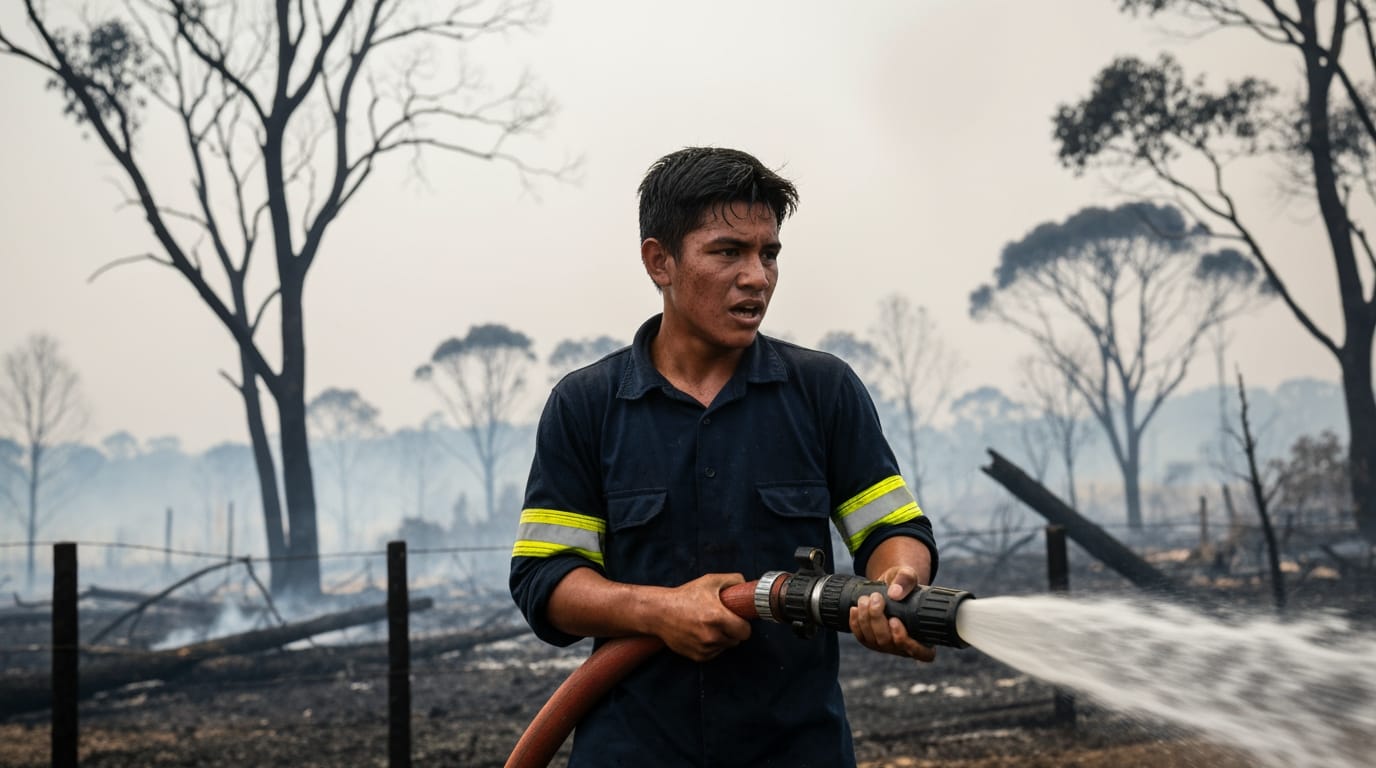
MELBOURNE, Victoria – January 10, 2026 – Victoria has declared a State of Disaster as an escalating bushfire crisis, fueled by an intense heatwave and powerful winds, grips the southeastern Australian state, leading to widespread destruction, forced evacuations, and prompting warnings of conditions rivaling the devastating 2019-2020 "Black Summer" blazes. The unprecedented declaration by Premier Jacinta Allan grants emergency services extraordinary powers to protect lives and property amidst what authorities describe as the gravest fire threat in years.
Emergency Powers and Spreading Devastation
Premier Jacinta Allan formally declared a State of Disaster on Saturday, January 10, 2026, for 18 local government areas and the Lake Mountain Alpine Resort, following advice from emergency management officials. This critical declaration provides the government and emergency services with extensive powers, including the ability to compel evacuations, control movement within affected zones, and commandeer resources to combat the rapidly spreading fires. The measures are expected to remain in force until at least February 8, 2026.
The fires have already left a trail of destruction across Victoria. Early reports indicate that over 130 structures, including homes, sheds, and other buildings, have been destroyed across the state. The small town of Ruffy, approximately two hours north of Melbourne, has reported at least 20 houses razed, with one school also confirmed lost. Furthermore, Emergency Management Commissioner Tim Wiebusch noted significant losses to livestock, cropping land, and vineyards. One person has died, and initially, three people, including a child, were reported missing after their home in Longwood East was destroyed, though they were later found safe.
Over 300,000 hectares of bushland have been scorched across Victoria, with the largest blaze near Longwood, approximately 112 kilometers north of Melbourne, consuming between 130,000 to 150,000 hectares alone. Another significant fire near Walwa and Mount Lawson has burned through over 17,000 to 19,000 hectares, with a third major fire impacting areas around Ravenswood. Power outages have affected tens of thousands of households and businesses, with around 30,000 to 38,000 losing electricity due to the fires.
Escalating Conditions and Heroic Response
The current crisis was exacerbated by a prolonged and intense heatwave that saw temperatures soar past 40 degrees Celsius (104 degrees Fahrenheit) across Victoria, with some inland districts reaching 45 to 47 degrees Celsius (113 to 117 degrees Fahrenheit). These scorching temperatures, combined with hot, dry north-westerly winds gusting up to 90 kilometers per hour, created "catastrophic" and "extreme" fire danger conditions across much of the state. Authorities issued warnings that any fires ignited under these conditions would be "unpredictable, uncontrollable, and fast-moving".
In response to the dire forecast, a total fire ban was enacted across the entire state of Victoria. Dozens of fires, many sparked by lightning strikes, continue to burn, with at least 10 major fire fronts active. Thousands of firefighters, including crews from other Australian states and potentially international support, have been deployed to the frontline. Emergency Management Commissioner Tim Wiebusch underscored the critical need for residents in affected zones to evacuate immediately, warning that emergency services might be unable to assist those who choose to stay. Tens of thousands of people have heeded these warnings, evacuating from towns such as Longwood, Ruffy, Walwa, and areas around Carlisle River. The Hume Highway in Victoria was closed in sections, and regional trains were canceled as a precaution. Victoria Police Commissioner Mike Bush also urged public adherence to road closures for safety.
Echoes of "Black Summer" and Climate Change Context
The severity of the current bushfire season has drawn stark comparisons to the devastating 2019-2020 "Black Summer" bushfires, which were among Australia's most intense on record. Emergency Management Victoria has described the current conditions as the "gravest in the state since Black Summer". During the 2019-2020 season, Victoria alone saw over 1.5 million hectares burnt, the loss of five lives, and the destruction of more than 300 to 420 homes. Across Australia, the Black Summer fires collectively razed approximately 24 million hectares, destroyed over 3,000 buildings, and directly caused 33 fatalities, with smoke contributing to hundreds of indirect deaths.
Scientists and climate experts consistently link the increasing frequency and intensity of such extreme fire weather events to human-induced climate change. Australia's climate has warmed significantly, leading to hotter days, more severe droughts, and longer, more frequent heatwaves. Research indicates that the risk of intense fire weather has increased by approximately 30% since 1900 due to anthropogenic climate change. These changing conditions contribute to lengthening fire seasons and create highly combustible landscapes, making fires harder to control once they ignite.
Broader Impacts and Community Resilience
Beyond the immediate destruction, the ongoing bushfires pose significant broader impacts. The agricultural sector faces substantial losses, with damage reported to livestock, cropping land, and vineyards. The long-term environmental toll on Victoria's unique ecosystems and wildlife is also a major concern, as was seen during the Black Summer fires when nearly 3 billion animals were impacted nationwide. Past fires have shown that recovering threatened species and their habitats requires extensive and long-term efforts.
Amidst the crisis, community resilience and support mechanisms are rapidly mobilizing. Financial institutions like NAB have activated disaster relief grants of $1,000 for affected customers to cover urgent expenses like accommodation, clothing, and food, alongside other relief options such as loan repayment deferrals and fee waivers. The Department of Education has also declared a Child Care Subsidy (CCS) period of emergency in several affected LGAs, providing crucial support to families and childcare services. These measures aim to alleviate immediate financial burdens and support families displaced by the fires.
The Long Road Ahead
As Victoria grapples with dozens of active bushfires and the potential for conditions to worsen in the coming days due to ongoing weather patterns and lightning strikes, the declaration of a State of Disaster underscores the gravity of the situation. The coordinated response from emergency services, bolstered by the extraordinary powers granted, remains focused on protecting lives and containing the blazes. The comparisons to the Black Summer fires serve as a somber reminder of the increasing challenges posed by extreme weather events and the long-term journey of recovery that lies ahead for affected communities and the environment. The emphasis remains on public safety, with authorities repeatedly urging residents to heed evacuation orders and develop comprehensive bushfire survival plans.


