Explosions Rock Venezuelan Capital Amid Heightened US Tensions
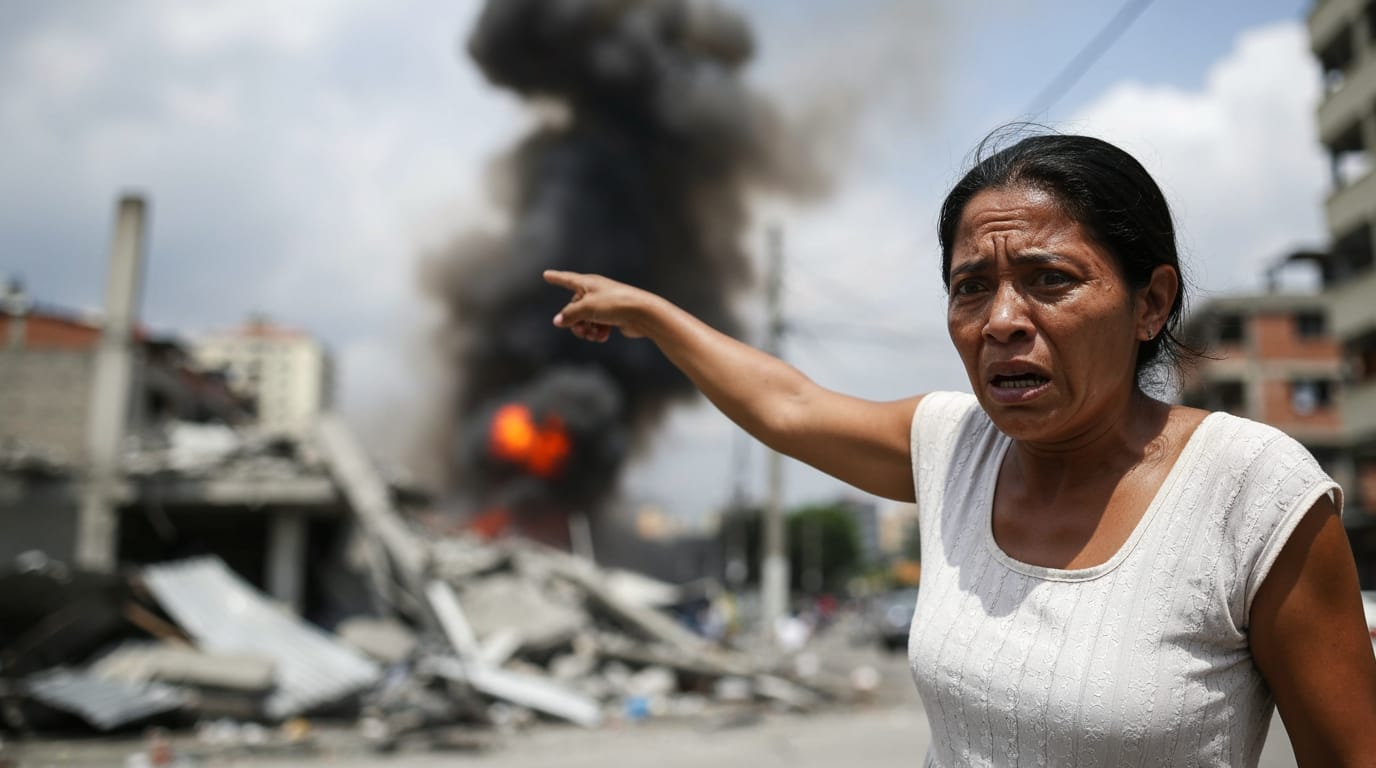
CARACAS, VENEZUELA – Multiple explosions and the sound of low-flying aircraft shattered the pre-dawn calm of Caracas early Saturday, plunging parts of the Venezuelan capital into darkness and sparking widespread alarm among residents. The mysterious blasts occurred against a backdrop of dramatically escalating tensions between Venezuela and the United States, which has recently increased its military presence in the Caribbean and issued threats of potential ground operations.
Residents across the sprawling city reported hearing at least seven distinct explosions, beginning around 2:00 AM local time, accompanied by the unnerving roar of unseen aircraft. The southern districts of Caracas, particularly areas adjacent to the major La Carlota military airbase, were hit by a significant power outage. Plumes of smoke were observed rising from various locations, with several reports indicating visible smoke near La Carlota airport, while air-raid sirens added to the chaotic atmosphere. The sudden, powerful noises sent frightened citizens into the streets, seeking safety and answers as the reverberations echoed through the metropolitan area.
Unanswered Questions as Officials Remain Silent
As of early Saturday, Venezuelan authorities had not issued any official statement or explanation regarding the cause of the explosions. This official silence fueled immediate speculation and anxiety among a populace already accustomed to political instability and economic hardship. Eyewitness accounts, gathered by international news agencies, underscored the suddenness and intensity of the events, with an AFP journalist confirming loud explosions and sounds akin to aircraft flyovers. Despite the widespread impact, including the localized power failures and visible smoke, neither the Venezuelan government nor the Pentagon in the United States offered immediate comments.
Geopolitical Storm Brewing in the Caribbean
These unsettling events unfold amidst a period of acute strain in relations between Caracas and Washington. For months, the United States, under President Donald Trump, has intensified its pressure campaign against the government of Venezuelan President Nicolás Maduro. This has included the deployment of a naval task force to the Caribbean and increased military operations aimed at intercepting alleged drug-smuggling vessels. Just days prior to Saturday's explosions, President Trump stated that the U.S. had "hit" an alleged drug boat facility. Unconfirmed media reports have even suggested a pre-Christmas CIA drone strike on Venezuelan land, marking a potentially dangerous escalation in the conflict.
Venezuelan President Nicolás Maduro has vehemently denied any links to criminal activity, accusing the United States of using such allegations as a pretext for seeking regime change and gaining access to Venezuela's vast oil reserves. Maduro has repeatedly called for "serious talks" and an end to what he describes as "illegal warmongering" from Washington. The heightened tensions even prompted the United Nations Security Council to convene on December 23, 2025, to discuss the escalating U.S. military presence off Venezuela's coast, with UN officials expressing concern over the potential for miscalculation and wider destabilization.
Residents Grapple with Mounting Uncertainty
For the citizens of Caracas, the explosions represent a terrifying new dimension in an already challenging existence. The country has been navigating profound political and economic crises for years, and the recent increase in external military pressure has compounded a sense of perpetual uncertainty. Throughout late 2025, the possibility of military aggression, particularly from the U.S., became a tangible, if unspoken, fear among many Venezuelans.
The absence of immediate information from official channels leaves residents to piece together what occurred from social media reports and their own observations. The sight of smoke and the sound of military-grade explosions serve as a stark reminder of the fragile peace and the potential for a deeper, more destructive conflict. The incidents underscore the volatile geopolitical landscape and the profound human impact of international disputes on ordinary lives.
The full implications of Saturday's explosions remain unclear, with the international community closely watching for official statements and any further developments. The events further underscore the perilous trajectory of U.S.-Venezuelan relations and the urgent need for de-escalation in a region already teetering on the brink of instability.


