Federal Childcare Funding Frozen for Five States Amid Fraud Allegations
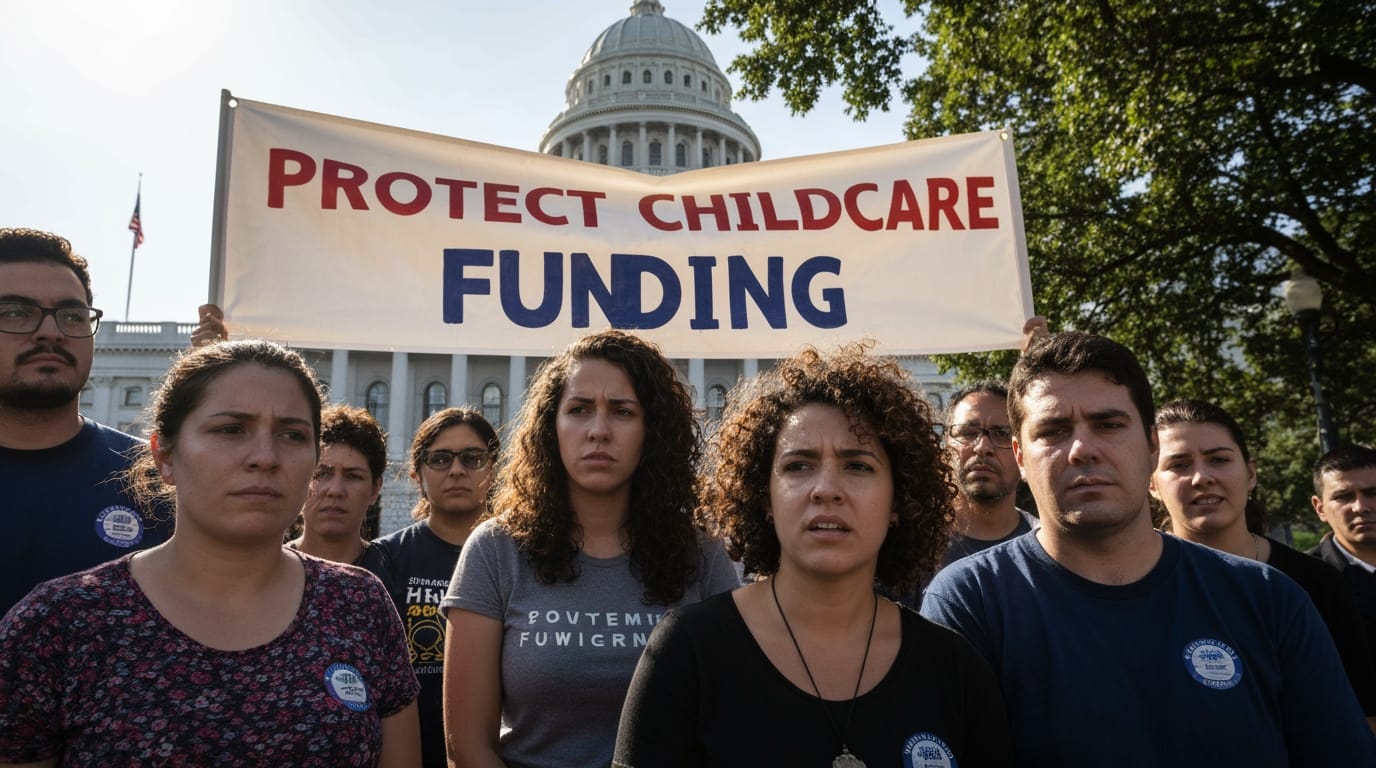
In a significant move impacting millions of families, the Trump administration has frozen more than $10 billion in federal funding for childcare and social services across five predominantly Democratic-led states. The U.S. Department of Health and Human Services (HHS) cited concerns over widespread fraud and the alleged diversion of taxpayer dollars to non-citizens as the basis for withholding these critical funds. The freeze affects California, Colorado, Illinois, Minnesota, and New York, prompting swift condemnation from state officials who characterize the action as a politically motivated attack.
The Sweeping Freeze and Affected Programs
The federal government's decision targets billions of dollars allocated through three major programs designed to support vulnerable families and children. The Child Care and Development Fund (CCDF), Temporary Assistance for Needy Families (TANF), and the Social Services Block Grant (SSBG) are all subject to the funding halt. Collectively, approximately $7.35 billion from TANF, $2.4 billion from CCDF, and around $869 million from SSBG are being withheld from the five states.
The immediate impact is significant, with individual states facing substantial financial disruptions. For instance, Colorado alone is facing a freeze of over $300 million in federal funds designated for childcare, food aid, and other social services. State officials in Colorado, along with others, reported learning about the federal action through media reports rather than direct notification from Washington, adding to the confusion and frustration. These programs are vital, with the CCDF alone assisting approximately 1.4 million children and 857,700 families monthly in 2019.
Administration's Rationale and Policy Shift
The Trump administration justified the freeze by asserting a need to "close Biden-era loopholes" that it claims weakened oversight and increased the risk of fraud and abuse within federally funded childcare programs. Health and Human Services Secretary Robert F. Kennedy, Jr. stated that "loopholes and fraud diverted that money to bad actors instead." Deputy Secretary Jim O'Neill further elaborated, saying, "Paying providers upfront based on paper enrollment instead of actual attendance invites abuse."
As part of this shift, HHS announced significant policy changes. New rules will restore attendance-based billing, allowing states to pay providers after care is delivered rather than upfront. Additionally, the changes aim to re-emphasize voucher flexibility, restoring parental choice in selecting childcare providers. These modifications reverse earlier directives that encouraged states to base payments on enrollment rather than verified attendance and to make upfront payments, policies that had aimed to ensure stability for childcare providers.
A primary catalyst for the administration's heightened scrutiny appears to be alleged widespread fraud in childcare centers in Minnesota. Federal investigations into what prosecutors describe as massive fraud schemes involving social services programs, particularly in Minnesota's Somali community, have drawn national attention. Although federal prosecutors had already charged dozens of individuals in connection with a $300 million pandemic fraud case in Minnesota, the Trump administration has linked these local issues to broader concerns about federal funding oversight. President Trump also publicly stated that a "Fraud Investigation of California has begun," further indicating the administration's focus on these states.
State Reactions and Human Impact
The federal funding freeze has ignited a fierce political debate, with affected states vehemently criticizing the administration's actions. Democratic governors and state officials have largely condemned the move, labeling it "vindictive," "cruel," and a "politically-motivated action." New York Governor Kathy Hochul expressed concern that "Our states should not be political pawns in a fight that Donald Trump seems to have with blue state governors."
Officials in California, Colorado, Illinois, Minnesota, and New York have voiced profound apprehension about the potential devastating consequences for the low-income families and children who rely on these vital services. Los Angeles County's Department of Public Social Services Chief of Staff Nick Ippolito warned that "Any pause in funding for their cash benefits – which average $1000/month - would be devastating to these families." Childcare worker unions have echoed these concerns, emphasizing that such cuts would harm working families who depend on affordable, quality childcare to sustain their employment and contribute to the economy.
Several states are exploring legal avenues to challenge the federal freeze, with Minnesota's Attorney General stating he is "exploring all our legal options to ensure that critical childcare services do not get abruptly slashed based on pretext and grandstanding." Past efforts by the Trump administration to cut funding to states have sometimes been blocked by courts, suggesting a potential legal battleground.
Broader Context of Federal Scrutiny
This targeted funding freeze arrives amidst a broader effort by the Trump administration to impose stricter verification requirements on federal aid programs across all 50 states. While the $10 billion freeze applies specifically to five states, HHS announced that all states will now need to provide additional administrative data and verification before receiving future Child Care and Development Fund disbursements. Deputy Secretary O'Neill asserted that funds would be released "only when states prove they are being spent legitimately."
Historically, previous budget proposals from the Trump administration, such as those in FY2018 and the proposed FY2026 budget, had also indicated intentions to cut or level-fund essential childcare and early education programs like CCDBG and Head Start. While "level-funding" may sound benign, it effectively translates to a reduction in services when accounting for inflation and rising costs, potentially affecting hundreds of thousands of children. These earlier proposals often aimed to enhance efficiency and promote financial accountability, aligning with the current administration's stated concerns about fraud and misuse of funds.
Conclusion
The Trump administration's decision to freeze over $10 billion in federal childcare and social services funding for California, Colorado, Illinois, Minnesota, and New York marks a significant escalation in its efforts to address perceived fraud and impose stricter fiscal controls. While the administration maintains that these actions are necessary to safeguard taxpayer dollars and ensure legitimate use of funds, state leaders and advocacy groups warn of dire consequences for countless families relying on these critical programs. The standoff highlights a profound tension between federal oversight and state autonomy, with the immediate welfare of children and working parents caught in the balance. As states explore their legal options and prepare for potential service disruptions, the long-term ramifications of this federal action remain a subject of intense concern and ongoing debate.


