Federal Judge Temporarily Halts Trump's $1.8 Billion 'Anti-Weaponization' Fund
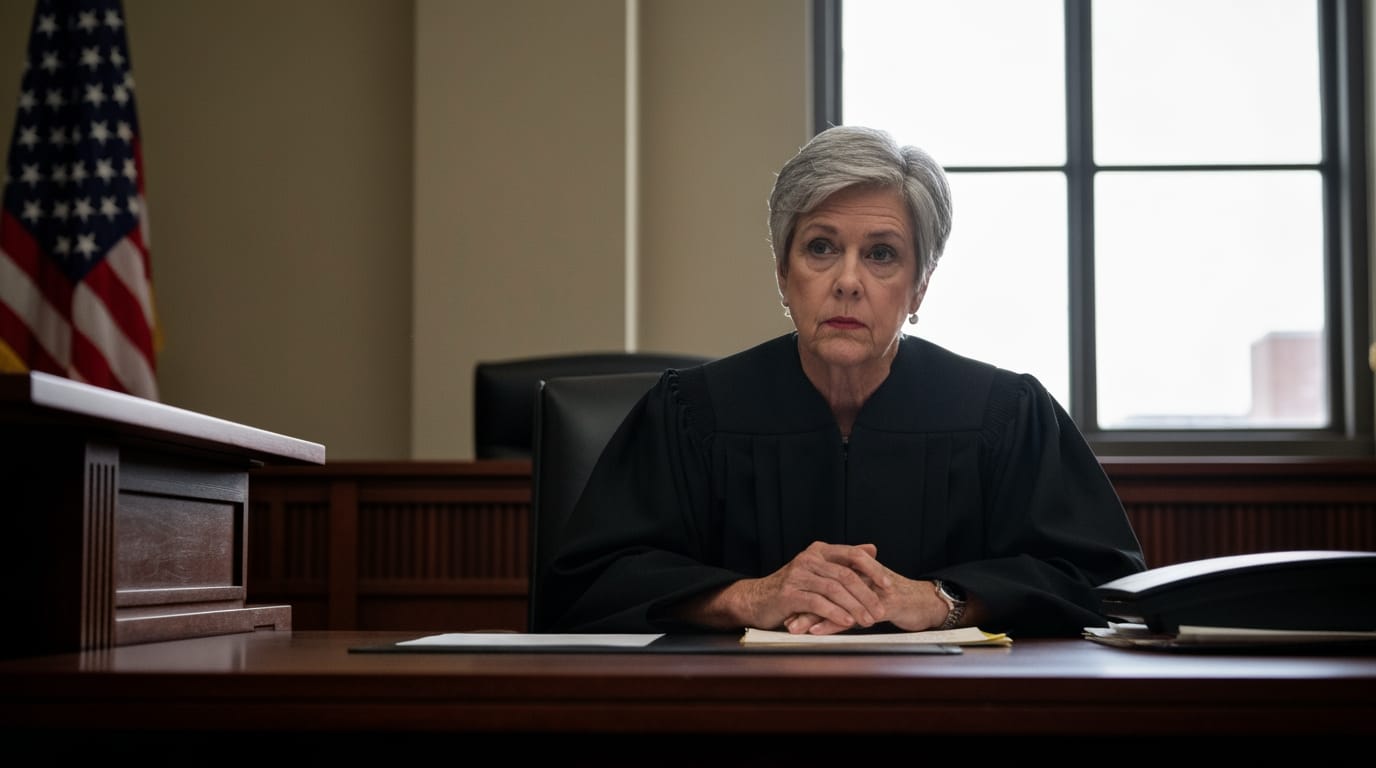
Alexandria, VA – A federal judge on Friday temporarily blocked the Trump administration from proceeding with the creation and operation of its controversial $1.8 billion "anti-weaponization" fund, a move that halts the dispersal of taxpayer money intended to compensate individuals claiming to be victims of a "weaponized government." U.S. District Judge Leonie Brinkema issued an order preventing any further action on the fund, including the transfer or disbursement of money, pending further legal arguments. The ruling marks a significant, albeit temporary, setback for the initiative that has drawn sharp criticism from watchdog groups and political opponents.
The temporary injunction, handed down by Judge Brinkema in Alexandria, Virginia, specifically bars the government from "taking other further action" in the fund's creation or operation, and from transferring funds, considering claims, or disbursing any payments. The judge's stated intention was "to ensure no funds are irreversibly dispersed" while a legal challenge against the fund progresses. The order maintains the status quo ahead of a scheduled hearing on June 12, where arguments will be heard regarding whether to extend the block on payouts.
The "anti-weaponization" fund, valued at approximately $1.776 billion, emerged from a settlement reached in a $10 billion lawsuit filed by Donald Trump and his sons against the Internal Revenue Service (IRS). The lawsuit alleged that Trump's tax returns were unlawfully leaked. While the Trump administration presented the fund as a mechanism to provide restitution for those targeted by alleged government overreach, critics swiftly denounced it as a "slush fund" designed to channel taxpayer money to the former president's political allies. This includes concerns that individuals involved in the January 6, 2021, Capitol riot could become beneficiaries.
The fund's financial source, the federal "judgment fund," has also come under intense scrutiny. This perpetual appropriation typically allows the government to settle cases without direct congressional approval. However, opponents argue that using it for this purpose effectively circumvents Congress's power of appropriation and lacks proper oversight. The swift establishment of the fund without typical preliminary defensive steps in the original IRS lawsuit prompted accusations of improper collusion and corruption.
The lawsuit leading to Friday's injunction was filed by Democracy Forward, a legal advocacy group, alongside a coalition of individuals and organizations. These plaintiffs contend they were wronged by the Trump administration's Justice Department, yet would be ineligible for compensation from the new fund due to its perceived ideological and political restrictions. Their arguments center on claims that the fund was created unlawfully and discriminates against those not aligned with the current administration. Democracy Forward President and CEO Skye Perryman emphasized that the court's quick action prevented taxpayer funds from being distributed through what she described as a "secretive and unprecedented political compensation scheme" before its legality could be fully reviewed. The Justice Department has not yet publicly commented on Judge Brinkema's ruling.
This judicial intervention adds another layer of complexity to the intricate financial landscape surrounding Donald Trump's political and legal activities. His political action committees, particularly the Save America PAC, have consistently incurred substantial legal expenses, spending tens of millions of dollars on attorney fees for himself, his allies, and his family. Reports indicate that the Save America PAC has faced increasing financial pressure, relying heavily on refunds from other Trump-affiliated PACs to cover these costs. The halt of the "anti-weaponization" fund, while distinct from his PACs' operations, underscores the ongoing legal challenges and public scrutiny directed at various financial mechanisms associated with the former president.
The temporary halt on the "anti-weaponization" fund represents a critical juncture in the ongoing debate over government accountability and the use of public funds. While the full legal merits of the fund will be debated in the upcoming June 12 hearing, Judge Brinkema's order has, for now, paused a mechanism that critics argued could have transformed public resources into a political tool. The decision emphasizes the judiciary's role in scrutinizing executive actions, particularly those involving significant taxpayer expenditures and claims of political motivation. The future of the $1.8 billion fund now hinges on further legal arguments, ensuring continued public and judicial oversight of its controversial design and intended beneficiaries.


