Five Years After Moria: Can Music Muffle the Echoes of Despair on Lesbos?
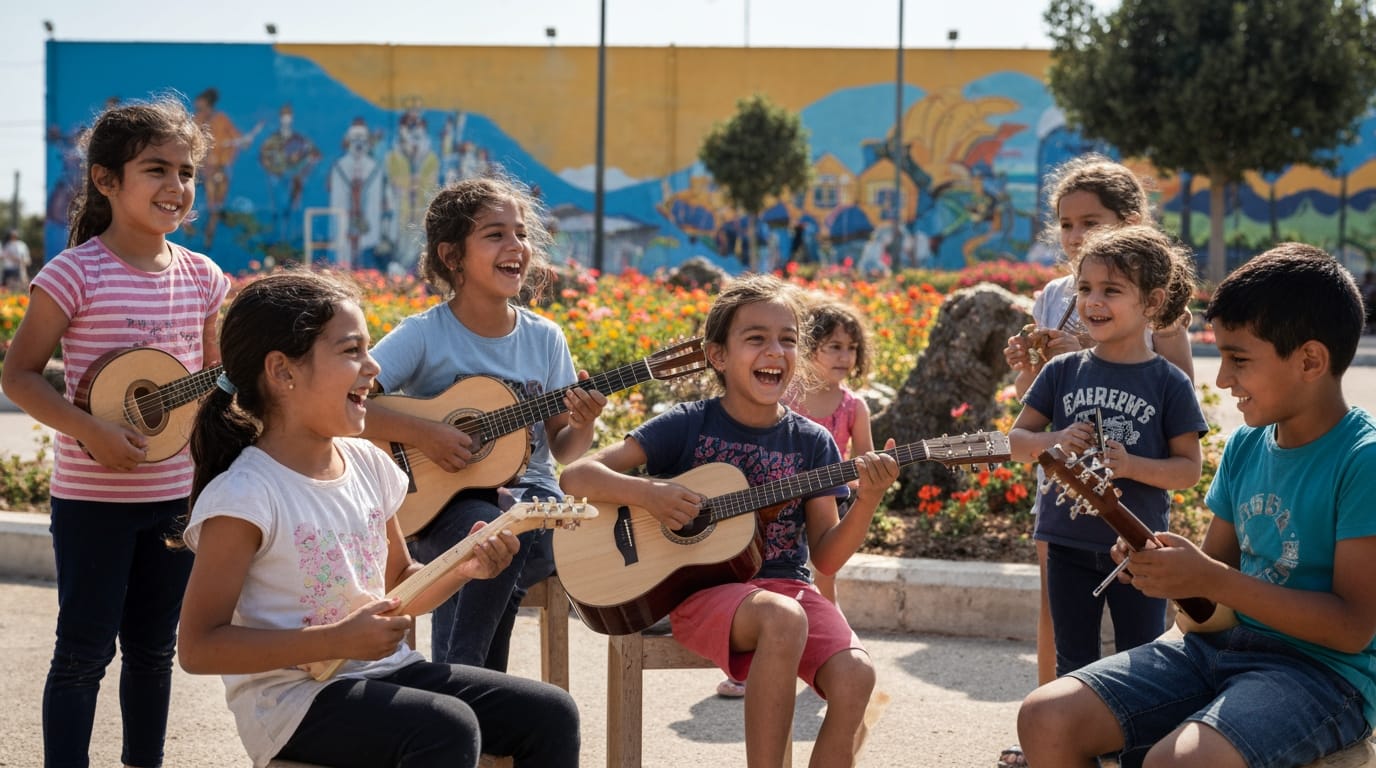
Five years have passed since the inferno that consumed the Moria refugee camp on the Greek island of Lesbos, yet the scars on the landscape and the human psyche remain profoundly visible. Once the largest refugee camp in Europe, Moria's destruction in September 2020 displaced thousands and shone an unforgiving spotlight on the continent's migration policies. Today, a new reality has settled over Lesbos, one marked by restrictive "closed controlled access centers" and a persistent mental health crisis among its refugee population. Amidst this enduring struggle, a different kind of sound is emerging: the hopeful notes of music, championed by various organizations aiming to offer healing, connection, and a semblance of normalcy through its universal language.
The Lingering Shadow of Moria
The Moria Reception and Identification Centre, designed for 3,000 people, notoriously housed upwards of 20,000 asylum seekers at its peak, earning it the grim moniker "the worst refugee camp on earth". The camp was infamous for its appalling living conditions, pervasive violence, lack of sanitation, and a burgeoning mental health crisis. On September 8, 2020, a series of fires ravaged Moria, leaving over 12,000 people homeless and scrambling for shelter along roadsides and in fields. The exact cause of the blaze remains contentious, with some authorities blaming asylum seekers reacting to COVID-19 quarantine measures, while others pointed to local far-right activists.
In the immediate aftermath, a temporary facility, Mavrovouni, often referred to as "Moria 2.0" or Kara Tepe, was hastily erected on a former military firing range by the sea. Intended as a short-term solution, Mavrovouni has since become a permanent fixture, operating as a Closed Controlled Access Centre. Despite some initial efforts, conditions within Mavrovouni are frequently described as dismal and inhumane, akin to a prison. Residents face inadequate heating in winter, poor sanitary facilities, inconsistent electricity, and often insufficient food. Overcrowding persists, with reports as recent as October 2023 indicating nearly 5,000 people living in cramped conditions, some sleeping on the ground due to lack of beds. These conditions, coupled with tight security and a lack of privacy, continue to exacerbate the severe mental health challenges faced by those seeking refuge.
A Crisis of the Mind: The Human Toll
The human cost of prolonged displacement and uncertainty on Lesbos has manifested in a profound mental health crisis. Even before Moria's destruction, Doctors Without Borders (MSF) had warned since 2016 of widespread psychological distress, noting that adults and children as young as six were engaging in self-harm and suffering from panic attacks and anxiety. Residents often described Moria as a "prison" or "living hell," with many voicing that the camp was "killing me slowly".
Reports from various humanitarian organizations underscore the severity of the situation. A 2022 report by the International Rescue Committee (IRC) revealed that 93% of individuals receiving mental health and psychosocial support on Lesbos and Samos experienced symptoms related to anxiety or depression, with a deeply worrying 50% showing signs of suicidality. Similarly, a 2023 INTERSOS Hellas report, based on testimonies from hundreds of individuals, identified high percentages of adjustment disorders, depressive disorders, and post-traumatic reactions. Crucially, 10.8% of the surveyed population reported suicidal or self-harming behavior. The constant uncertainty surrounding asylum claims, compounded by the harsh living conditions, creates an environment where mental well-being rapidly deteriorates. Many asylum seekers spend years in legal limbo, waiting for decisions on their status or relocation, a situation that further erodes hope and fosters feelings of helplessness.
Striking a Chord: Music as a Lifeline
In this challenging environment, a growing number of initiatives are turning to music and art as powerful tools for healing and resilience. Organizations recognize that while basic needs are paramount, the emotional and psychological well-being of refugees, particularly children and young adults who have endured immense trauma, requires specialized support.
One prominent initiative is Connect by Music, which established its first music school in the Kara Tepe camp (now Mavrovouni) in early 2017. This non-profit provides daily music therapy sessions and lessons to hundreds of individuals, focusing on children and young adults. Their program aims to offer psychosocial support, improve well-being, foster connections, and aid in processing traumatic experiences through music education and therapy. Professional teachers and music therapists, often supported by psychologists, guide participants in these activities. Following the Moria fire, Connect by Music organized benefit concerts, demonstrating their deep ties to the community.
El Sistema Greece, founded in August 2016 by Anis Barnat, offers a free music program for children in refugee camps across Greece, including Lesbos. Inspired by the Venezuelan El Sistema model, its goal is to heal suffering, build self-esteem, train participants, and encourage their integration into society through the joy of collective music-making. Over 600 children have benefited from its structured musical activities.
Similarly, Peace Through Music International (PTMI) runs programs providing hope, structure, and opportunities for self-expression to refugee children and teenagers from various backgrounds, including Syrian, Kurdish, Afghan, and Yazidi populations. PTMI uses music to help young people develop new cognitive skills, learn to listen to others, and foster a sense of achievement, thereby making the future less daunting and offering a deterrent against extremist influences. Other groups like the Angels Relief Team (part of Art Bridges) and Lesvos Solidarity (through its Mosaik Support Centre) also integrate music and art education. They utilize instrument teaching, singing, painting, and craft-making to promote respect, social integration, and reduce tensions among diverse ethnic groups. The Boat Art Center, which began with self-organized theater classes in Moria in late 2019, incorporated music and sound into interdisciplinary performances to address themes of inequality and inhumanity.
The Therapeutic Resonance
The unique power of music therapy lies in its ability to offer a flexible and accessible means of supporting well-being and processing difficult experiences, particularly when verbal communication is challenging or insufficient. For refugees, music can evoke positive memories of their homelands and cultures, fostering resilience and a sense of identity.
Music therapy serves as a critical component of psychological first aid in the aftermath of trauma, helping to establish feelings of safety, connection, and hope. The structured nature of music sessions can provide predictability, which is vital for individuals who have experienced instability. Making music, especially with a therapist, can build relationships, stabilize emotions, and reduce anxiety – crucial steps in mitigating the long-term impact of trauma. Studies have shown music therapy can lead to significant reductions in PTSD symptoms, depression, and anxiety, and improve sleep quality.
Beyond individual psychological benefits, music fosters social connections and a sense of belonging within a community. It transcends language barriers, allowing individuals from diverse backgrounds to communicate and interact in a non-verbal way. For children, engaging with music can aid in language development and social skills, helping to rebuild family bonds that may have been fractured by traumatic experiences. Organizations like Connect by Music actively pursue "Camp to Stage" projects, providing performance opportunities that encourage students to connect with local Greek schools, thereby fostering integration and acceptance. Art, including music, serves as a voice where words fail, allowing individuals to express emotions, tell their stories, and reclaim a sense of agency.
Beyond the Notes, Towards Tomorrow
Five years after the Moria fire, the situation on Lesbos remains complex and challenging. The replacement camp, Mavrovouni, continues to draw criticism for its conditions and the enduring policy that keeps asylum seekers trapped on the island. Local communities, too, feel abandoned, caught between the influx of refugees and a perceived lack of adequate government support. The promise of "no more Morias" articulated by the European Commission after the fire has been difficult to realize, with new EU-funded facilities still drawing comparisons to the past due to overcrowding and infrastructure issues.
Yet, within this challenging landscape, music and art initiatives offer a vital counter-narrative of human resilience and the enduring power of creative expression. While they cannot solve the systemic failures of migration policy, these programs provide a crucial lifeline for mental health, social cohesion, and the preservation of human dignity. They empower individuals to process trauma, build new connections, and find moments of joy and self-worth. As the melodies resonate through the camps and communities of Lesbos, they offer not just temporary relief, but a testament to the human spirit's capacity to find harmony and hope, even amidst the most profound discord.


