Japan Elevates UN Engagement to Counter China's Expanding Global Influence
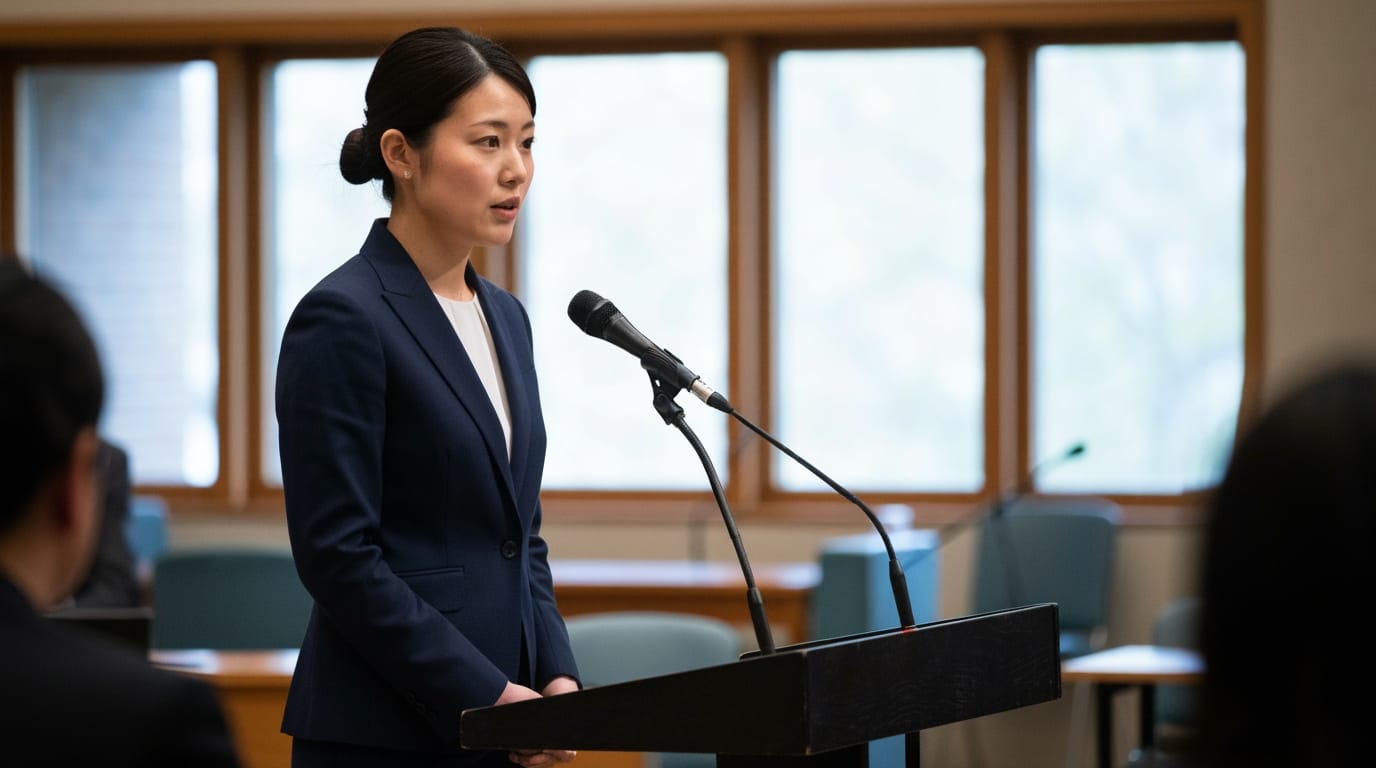
In a calculated diplomatic offensive, Japan is significantly bolstering its presence and influence within the United Nations system, a move widely interpreted as a strategic counterweight to China's rapidly growing sway across international institutions. Tokyo's multipronged approach involves increasing its human resources in key UN bodies, actively seeking leadership positions, and championing the rule of law and multilateralism to safeguard a free and open international order amidst an increasingly assertive Beijing. This intensified engagement reflects a deepening concern in Tokyo over China's efforts to reshape global governance and norms, particularly as geopolitical tensions escalate in the Indo-Pacific.
Japan has historically been a staunch supporter of the United Nations, joining in 1956 and consistently upholding its principles of peace and international cooperation. For nearly three decades, Japan was the second-largest financial contributor to the UN budget after the United States, and it continues to be a major donor. This financial commitment has been complemented by active participation across various UN pillars, including peace and security, development, and human rights. Japan has served an unprecedented 12 terms as a non-permanent member of the UN Security Council, more than any other member state, actively contributing to decision-making processes on international peace and security. Tokyo has also been a strong advocate for UN Security Council reform, aspiring to a permanent seat to further its contributions to global stability.
China's Ascendant Role in the UN
Meanwhile, China's influence within the UN has expanded dramatically, driven by an assertive foreign policy under President Xi Jinping and a substantial increase in financial contributions. China now stands as the second-largest assessed contributor to the UN budget, surpassing Japan, and ranks as the fifth-largest overall donor when voluntary contributions are included. This financial leverage has coincided with a concerted effort to strategically place Chinese nationals in leadership roles across various UN specialized agencies. Chinese diplomats have held top positions in several critical bodies, including the Food and Agriculture Organization (FAO), the UN Industrial Development Organization (UNIDO), the International Telecommunication Union (ITU), and the International Civil Aviation Organization (ICAO).
This strategic staffing allows Beijing to steer agendas, influence global norms, and promote its foreign policy initiatives, such as the Belt and Road Initiative, through UN platforms. Critics argue that China's growing influence often promotes a state-centric approach to global governance, sometimes downplaying universal values in favor of national interests. Beijing's tactical alignment with Russia within the Security Council has also been noted, with both countries occasionally vetoing resolutions that challenge their perspectives on human rights and humanitarian access, as seen in cases related to Syria.
Japan's Strategic Push for Human Resources and Leadership
Recognizing the implications of China's expanding footprint, Japan has intensified its efforts to boost its human capital within the UN system. The Japanese government views the strategic placement of its citizens in international organizations as crucial for enhancing its influence and facilitating information gathering. As of late 2024, the number of Japanese workers at UN agencies reached 979, the highest since records began in 1990, nearing Tokyo's target of 1,000 workers for 2025. Significantly, the number of Japanese holding deputy director or higher positions across 44 UN agencies also hit a record high of 94. Recent successes include the election of Japanese nationals to lead the International Civil Aviation Organization and the Universal Postal Union, marking a record for Japanese leadership in UN specialized agencies.
To sustain this momentum, the Japanese government has launched initiatives involving 16 government agencies, led by the Ministry of Foreign Affairs and the National Security Secretariat, to strategically identify, develop, and dispatch talented personnel from both public and private sectors to international organizations. This proactive approach underscores Japan's commitment to shaping global rules and standards from within the multilateral framework.
Championing the Rule of Law and Norms
Beyond personnel, Japan is leveraging its diplomatic efforts to reinforce the rule of law and multilateralism within the UN, often in implicit contrast to what it perceives as China's unilateral actions. Tokyo consistently advocates for a free and open international order based on established rules, particularly in light of China's expansionist activities in the East and South China Seas, which Japan views as undermining international legal norms.
Recent tensions, such as China's criticism at the UN regarding remarks by Japanese Prime Minister Sanae Takaichi concerning Taiwan, further highlight the diplomatic battleground within the international body. Beijing has actively sought to frame Japan as a threat to the post-war order, using UN platforms to challenge Japan's defense policies and its stance on regional security. Japan, in turn, has consistently reaffirmed its commitment to international law and a defensive-oriented security posture. Japan's deployment of AI officials to its embassies globally also illustrates its proactive stance in shaping emerging international norms, particularly in critical technological domains.
Regional Implications and Balanced Perspectives
Japan's enhanced UN presence is intertwined with its broader regional strategy to counter China's influence, particularly in Southeast Asia. Tokyo offers alternatives to Chinese initiatives, strengthening ties with ASEAN nations by supporting institutional development and reducing socio-economic disparities. This engagement helps regional partners diversify their relations and enhance strategic autonomy. Japan is also bolstering its military capabilities in response to China's assertiveness, reflecting a comprehensive approach that combines diplomatic, economic, and security dimensions.
While Japan's increased UN activities are a clear response to China, they also underscore a fundamental difference in how both powers envision the future of global governance. Japan emphasizes cooperation, adherence to international law, and universal values, seeking to strengthen the existing multilateral system. China, while engaging extensively with the UN, is often perceived as attempting to reform the system from within to better align with its state-centric worldview and national interests. This dynamic creates a complex interplay of competition and cooperation within the UN, with significant implications for the international order.
Conclusion
Japan's strategic elevation of its UN presence marks a pivotal moment in its foreign policy, demonstrating a proactive effort to counterbalance China's expanding global influence. By investing in human resources, seeking leadership roles, and steadfastly advocating for the rule of law and multilateralism, Tokyo aims to safeguard an international order that underpins its own security and prosperity. This sustained diplomatic engagement within the United Nations reflects Japan's understanding that the global stage is not only where power is projected but also where norms are shaped and the future of international relations is defined. The contest for influence within the UN is set to be a defining feature of 21st-century diplomacy, with Japan determined to play a leading role in preserving a balanced and rules-based international system.


