Former FIFA President Blatter Urges Fans to Boycott 2026 World Cup in United States
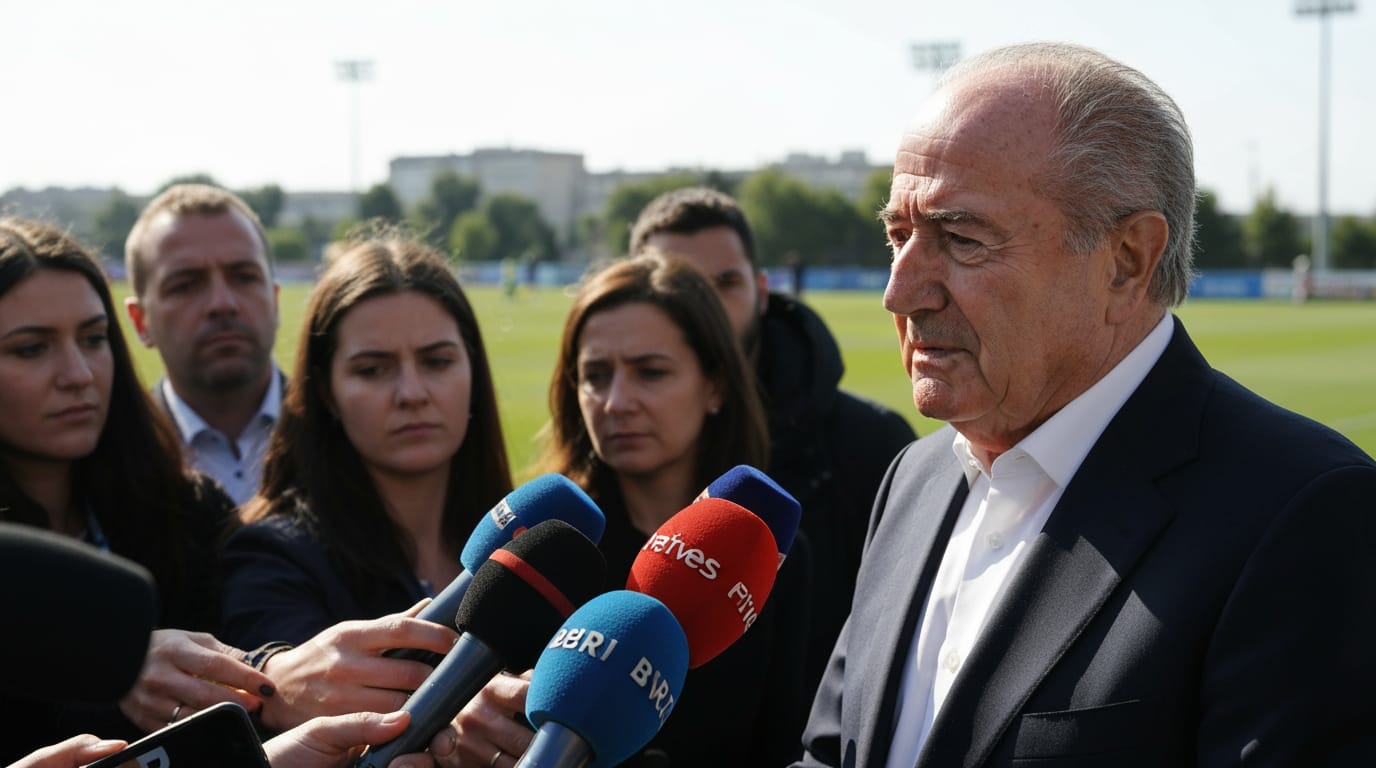
Sepp Blatter, the former president of FIFA, has publicly endorsed a call for football fans to avoid traveling to the United States for matches during the upcoming 2026 World Cup. His recent statements, made via social media, echo concerns regarding security and immigration enforcement within the U.S., adding a controversial voice to the discourse surrounding the world's most prestigious football tournament. This advisory marks another instance of Blatter vocalizing criticism against World Cup host nations, following his past condemnation of Qatar's selection for the 2022 event.
The Controversial Call for a 2026 Boycott
The latest recommendation from Blatter supports remarks made by Swiss anti-corruption lawyer Mark Pieth, who previously served as an advisor to FIFA during Blatter's presidency. Pieth recently suggested that fans should "stay away from the USA!" due to "abuses by immigration services" and the "marginalisation of political opponents" within the country. Blatter publicly backed this stance, stating, "I think Mark Pieth is right to question this World Cup."
Pieth's concerns gained urgency following reports of two American citizens, Renee Good and Alex Pretti, who were reportedly killed in Minneapolis, Minnesota, within a three-week span after a crackdown by immigration agents. These incidents have sparked protests and raised questions about safety and security for visitors. The 2026 FIFA World Cup is scheduled to be co-hosted by the United States, Canada, and Mexico, with a significant portion of the 78 games slated for U.S. cities between June 11 and July 19.
Blatter's endorsement of Pieth's position highlights a growing sentiment among some critics that the domestic political climate and enforcement practices in the U.S. could pose risks for international visitors. Pieth further cautioned that fans should anticipate heightened scrutiny upon arrival and potentially face immediate deportation if they are perceived not to "behave properly with the authorities," suggesting that watching the tournament on television might be a safer alternative.
Blatter's History of Host Nation Criticisms
The former FIFA chief's recent admonition regarding the 2026 tournament is not an isolated incident. Blatter has a documented history of publicly questioning the suitability of World Cup host selections, even for decisions made during his own tenure. In November 2022, ahead of the Qatar World Cup, Blatter characterized the decision to award the 2022 tournament to Qatar as a "mistake" and a "bad choice."
At the time, Blatter asserted that FIFA's executive committee had initially agreed for Russia to host the 2018 World Cup and the United States to host the 2022 event. He claimed this arrangement would have been a "gesture of peace" between "longstanding political opponents." However, he alleged that the plan was disrupted when former UEFA president Michel Platini, under pressure from then-French president Nicolas Sarkozy, swung key votes towards Qatar. Blatter specifically cited Qatar's small size, stating, "Football and the World Cup are too big for that," though he did not directly mention human rights concerns in his initial critique of the choice.
This earlier criticism of Qatar, a decision made during his 17-year presidency which ended in 2015 amidst corruption scandals, demonstrates a pattern of post-presidency commentary on FIFA's major decisions. While his past remarks on Qatar focused on the logistical suitability and alleged political influence in the bidding process, his current concerns for the 2026 World Cup pivot to the safety and treatment of fans in the host nation.
FIFA's Response and Ongoing Preparations
As of the current reports, FIFA has not issued an official response to Blatter's comments concerning the 2026 World Cup. Preparations for the expanded 48-team tournament are reportedly continuing across the three host nations: the United States, Canada, and Mexico. The lack of immediate response from the governing body reflects a complex dynamic, as Blatter remains a controversial figure in the world of international football following his departure from FIFA amid various allegations.
The call for a boycott introduces another layer of complexity for the tournament organizers, who are already managing the logistical challenges of hosting an expanded World Cup across multiple countries. While Blatter's influence on official policy may be diminished, his outspoken opinions, particularly given his long history at the helm of international football, can still resonate with a segment of the public and contribute to broader discussions about the ethics and responsibilities associated with hosting global sporting events.
Implications for Fan Engagement and Future World Cups
Blatter's encouragement for fans to reconsider travel to the U.S. for the 2026 World Cup carries potential implications for fan engagement and the commercial success of the event. Major international sporting events rely heavily on the enthusiasm and physical presence of supporters to create atmosphere and generate significant revenue. Concerns about security, immigration policies, and the overall political climate of a host nation can deter potential attendees, impacting ticket sales, tourism, and the overall perception of the tournament.
The situation also underscores the continuous scrutiny faced by FIFA and its chosen host countries. Beyond the immediate logistical and financial aspects, the ethical dimensions of hosting mega-events remain a persistent challenge. Human rights, worker welfare, and the treatment of visitors are increasingly central to the public discourse surrounding bids for global competitions. Blatter's repeated interventions, from his "mistake" declaration regarding Qatar to his current warning about the U.S., serve as a reminder of the enduring controversies that can shadow the World Cup, even years after host selections are made.
The former president's latest advice places renewed focus on the responsibilities of host nations to ensure a safe, welcoming, and equitable environment for all participants and visitors. As the 2026 World Cup draws closer, the debate surrounding its suitability as a venue, particularly concerning the safety of fans, is likely to persist.
Conclusion
Sepp Blatter, the former president of FIFA, has once again injected controversy into the global football landscape, this time by advising fans to boycott the 2026 World Cup in the United States due to security and immigration concerns. This recent counsel, which aligns with warnings from Swiss lawyer Mark Pieth, follows Blatter's earlier public regret over the selection of Qatar as the 2022 World Cup host. While FIFA has yet to officially respond, Blatter's consistent critical stance on host nation selections, stemming from both logistical and ethical concerns, ensures that the integrity and suitability of World Cup venues remain subjects of intense debate. His comments serve as a prominent voice calling for greater accountability and consideration for fan safety in the high-stakes world of international football.