Former South Korean President Yoon Suk Yeol Jailed Five Years for Obstruction of Justice
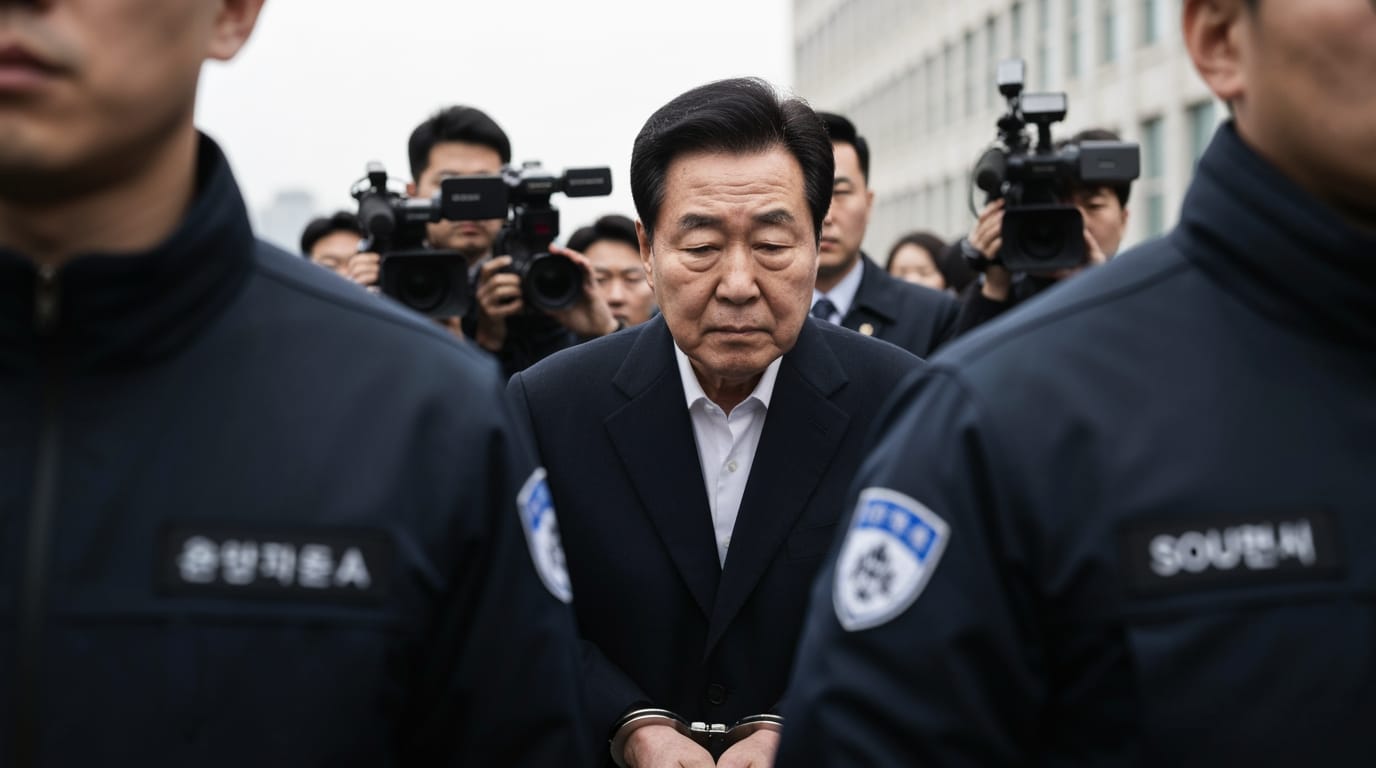
Seoul, South Korea — Former South Korean President Yoon Suk Yeol was sentenced to five years in prison Friday by the Seoul Central District Court, marking the first judicial conviction for the former leader whose short and tumultuous presidency ended amid impeachment and public outcry. The verdict, delivered on January 16, 2026, found Yoon guilty of obstructing investigators' attempts to detain him, among other related charges stemming from his controversial declaration of martial law in late 2024. This landmark ruling sets a significant precedent in South Korea's ongoing efforts to hold its leaders accountable, underscoring the nation's commitment to the rule of law.
The Martial Law Fallout and Initial Investigations
The charges against former President Yoon Suk Yeol are deeply rooted in the chaotic period surrounding his unilateral declaration of martial law in December 2024. This decree, intended to address what Yoon described as dangers posed by a "liberal-controlled parliament" obstructing his agenda, was met with widespread public protests and condemnation, ultimately leading to his impeachment, arrest, and dismissal from office. Investigators, viewing the martial law decree as an attempt to bolster and prolong his rule, initiated multiple probes into his actions.
The specific obstruction charge for which Yoon was sentenced relates to his alleged interference with efforts by authorities to detain him in January 2025. Prosecutors argued that Yoon ordered the Presidential Security Service to block the execution of a warrant for his detention. This act was seen as a direct challenge to the judicial process and a deliberate attempt to impede justice.
Details of the Conviction and Other Charges
The five-year prison sentence handed down to Yoon Suk Yeol encompasses several charges beyond the direct obstruction of his detention. The court also found him guilty of violating the rights of nine Cabinet members who were not consulted regarding his martial law plan, distributing false information to the foreign press, and destroying official phone records. These actions collectively painted a picture of a leader attempting to evade accountability and manipulate information in the wake of a national crisis.
Special counsel Cho Eun-suk's team had initially sought a 10-year prison term for Yoon on these charges, arguing that he committed a "grave crime" by "privatizing" state institutions to conceal and justify his actions. The court's decision, while significant, was slightly less than the prosecution's demand for these specific offenses. The legal proceedings were closely watched, with the sentencing hearing itself televised live after the court granted broadcasters' requests, highlighting the intense public and media interest in the case.
The Broader Legal Landscape and Looming Trials
This five-year sentence marks the first verdict against Yoon Suk Yeol, but it is far from the end of his legal battles. He faces at least seven other criminal trials related to his martial law decree and other allegations, with the most severe charge being that of leading a rebellion. Special prosecutors had previously sought the death penalty for Yoon on the insurrection charge, underscoring the gravity with which his actions during the martial law period are viewed by the prosecution.
The court's judgment on the obstruction charges and the procedural legitimacy of the martial law declaration is expected to significantly influence the upcoming verdicts, particularly the one concerning the alleged insurrection. The ongoing investigations continue to scrutinize various aspects of his presidency, including allegations of abuse of power.
Reactions and Implications for South Korean Politics
Yoon Suk Yeol's defense team has consistently maintained that the charges are politically motivated and lack legal grounds, accusing prosecutors of seeking "excessive" sentences. Yoon himself has not publicly responded to the ruling, but his prior statements indicated that his martial law decree was intended to inform the public about perceived threats from the liberal-controlled parliament, not to extend his rule.
Nevertheless, the conviction of a former president for such serious offenses sends a powerful message about accountability at the highest levels of government in South Korea. It reinforces the principle that no individual, regardless of their past office, is above the law. The legal outcomes of Yoon Suk Yeol's multiple trials will undoubtedly shape the political discourse and public trust in institutions for years to come, further defining the boundaries of presidential power and accountability in the nation. The judgment serves as a stark reminder of the consequences when public officials are perceived to undermine democratic processes and judicial integrity.


