French-Algerian Ties Severed as Diplomatic Crisis Spirals
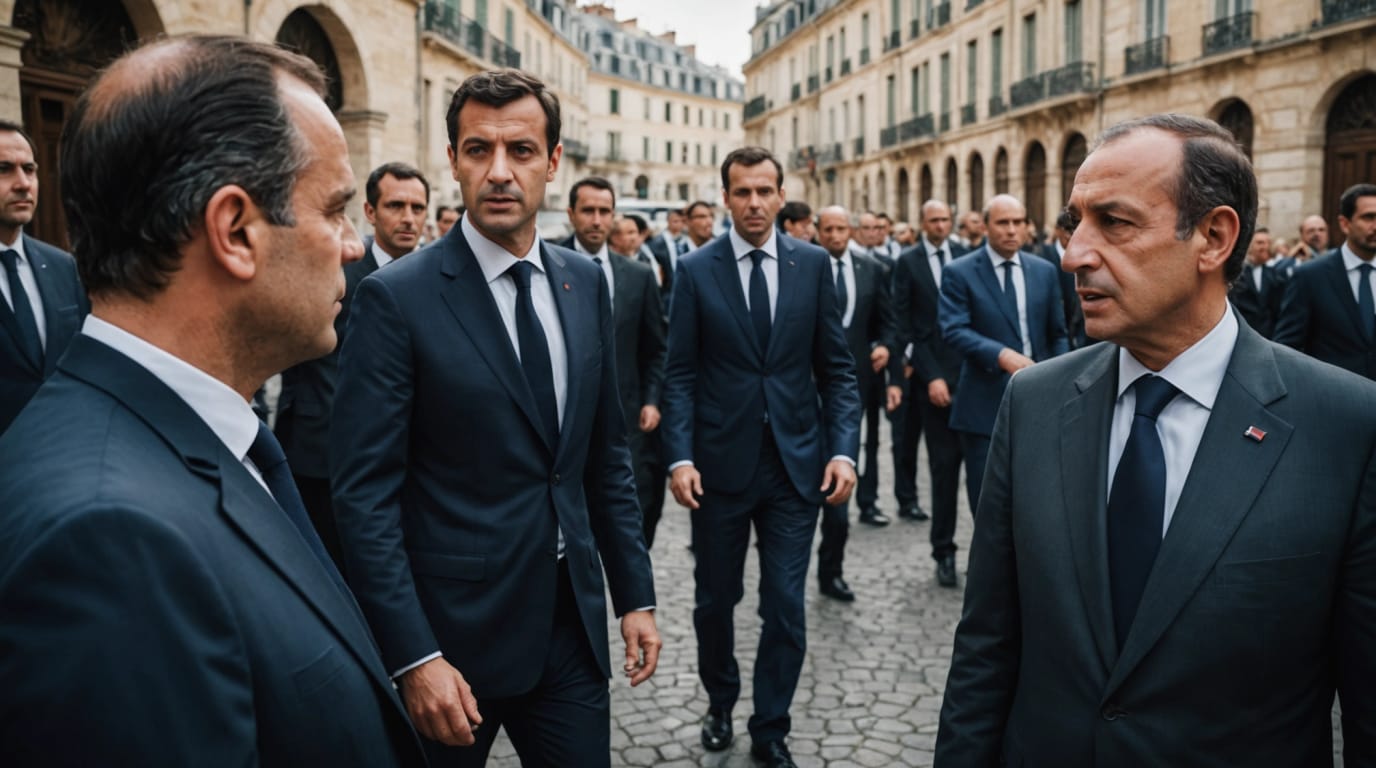
A deepening diplomatic crisis between France and Algeria has led to a series of escalating actions, threatening to unravel months of attempted reconciliation between the two nations. The dispute, triggered by the arrest in France of an Algerian consular official linked to a kidnapping, has resulted in reciprocal expulsions of diplomatic personnel and a sharp deterioration in relations, marking the most serious crisis since Algeria's independence in 1962.
Tit-for-Tat Expulsions
The immediate catalyst for the current crisis was the indictment by French prosecutors of three Algerian nationals, including a consular official, on suspicion of involvement in the kidnapping of Amir Boukhors, an Algerian government critic and social media influencer known as "Amir DZ." Boukhors, who has over a million followers on TikTok, was granted asylum in France in 2023. He was abducted in Paris in April 2024 and released the following day. French authorities are also prosecuting the three suspects for "terrorist" conspiracy.
In response to the arrests, Algeria ordered 12 French officials, including some members of the French Ministry of the Interior, to leave the country within 48 hours. France swiftly retaliated by announcing the expulsion of 12 Algerian diplomatic and consular staff members and recalling its ambassador from Algiers. These reciprocal measures have brought relations to a breaking point, with both sides accusing the other of undermining bilateral ties.
The Kidnapping Case
The kidnapping of Amir Boukhors is at the heart of the escalating tensions. Boukhors, a vocal critic of the Algerian government, is accused in his home country of fraud and terrorist offenses. Algerian authorities had previously issued nine international arrest warrants for him, but French courts refused his extradition in 2022.
Boukhors' lawyer claims that the influencer has been the target of multiple assaults, including the April 2024 kidnapping. He accuses Algeria of carrying out violent actions on French soil through intimidation and terror. The French investigation into the kidnapping has further strained relations, with Algeria denouncing what it calls an "inadmissible judicial cabal" aimed at torpedoing the revival of bilateral relations.
Lingering Grievances and Shifting Alliances
Beyond the immediate trigger of the kidnapping case, deeper issues have been simmering between France and Algeria for some time. A significant point of contention arose in late July 2024 when French President Emmanuel Macron expressed support for Morocco's claim of sovereignty over Western Sahara. This move angered Algeria, which has long supported the Polisario Front, a Sahrawi independence movement that claims the territory. Algeria responded by recalling its ambassador to France.
Further exacerbating tensions was the sentencing of French-Algerian writer Boualem Sansal to five years in prison by an Algerian court for undermining national unity. Sansal's arrest and sentencing prompted a call for his freedom from Macron, adding another layer of complexity to the already strained relationship. The issue of Algerian nationals subject to an Obligation to Leave French Territory (OQTF) in France, whom Algeria refuses to take back, has also contributed to the ongoing friction.
Impact on Domestic Politics
The diplomatic crisis is also playing out against the backdrop of domestic political considerations in both countries. In France, the tensions with Algeria have become a focal point for right-wing and far-right political factions seeking to capitalize on the crisis to boost their media presence and attract voters. These groups are using the situation to highlight issues related to immigration and national identity, further inflaming public debate.
On the Algerian side, the government faces its own set of domestic pressures. The handling of the Boukhors case and the broader relationship with France are sensitive issues that resonate with the Algerian public, particularly given the historical legacy of French colonialism. The government's response to the crisis is being closely watched by various domestic constituencies, adding to the complexity of the situation.
Uncertain Future
The rapid escalation of tensions between France and Algeria has cast a shadow over the future of their relationship. Just weeks before the current crisis, there were signs of a potential thaw, with a phone call between Presidents Macron and Tebboune and a visit to Algiers by French Foreign Minister Jean-Noel Barrot. However, these efforts have now been overshadowed by the recent events.
The path forward remains uncertain. While both sides have expressed a desire to resume dialogue, the deep-seated grievances and the current climate of mistrust will make it difficult to find a resolution. The crisis has the potential to further destabilize the region and could have broader implications for European-North African relations. The coming weeks and months will be critical in determining whether France and Algeria can find a way to de-escalate the situation and rebuild their fractured relationship.


