Friedrich Merz Poised to Become Germany's Next Chancellor Amidst Political Shift
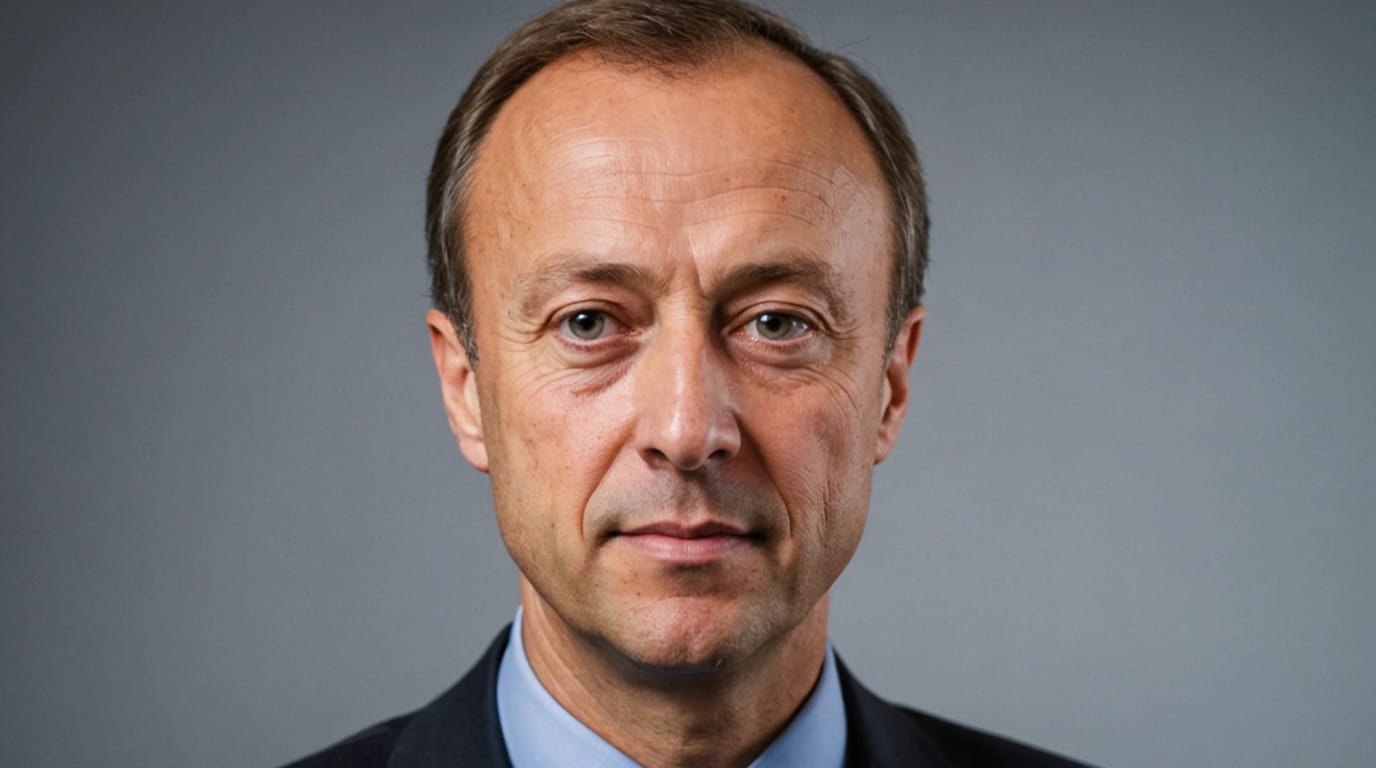
Germany stands on the cusp of a new political era as Friedrich Merz, leader of the Christian Democratic Union (CDU), is projected to become the next Chancellor. This follows the CDU/CSU's victory in the federal election held on February 23, 2025, marking a significant shift in the German political landscape. The election results reflect a desire for change amidst economic stagnation, rising concerns about immigration, and a fragmented political spectrum.
From Corporate Lawyer to Chancellor Candidate
Joachim-Friedrich Martin Josef Merz, born on November 11, 1955, in Brilon, North Rhine-Westphalia, has had a multifaceted career spanning law, business, and politics. After serving in the military, he studied law and worked as a judge and corporate lawyer before entering politics. His early political career included a term in the European Parliament (1989-1994) and a seat in the Bundestag (1994-2009).
Merz's career also includes significant experience in the corporate world. He worked as a corporate lawyer and held a supervisory role at BlackRock Germany, a major investment firm. This background has led some to view him as a pro-business politician, while others express concern about potential conflicts of interest.
After a period away from active politics, Merz returned in 2018 and was elected CDU leader in January 2022. He had previously failed to win the position in 2018 and 2021. As leader of the CDU, Merz has positioned himself as a center-right figure, advocating for economic liberalism and a more conservative stance on social issues like immigration.
The 2025 Election and the Rise of the AfD
The 2025 federal election saw the CDU/CSU emerge as the largest party, securing 28.5% of the vote. However, the election was also marked by a significant rise in support for the far-right Alternative für Deutschland (AfD), which gained 20.8% of the vote, becoming the second-largest parliamentary group. This surge in support for the AfD reflects growing concerns about immigration and economic issues, particularly in Eastern Germany.
The Social Democrats (SPD), led by outgoing Chancellor Olaf Scholz, experienced their worst performance in over a century, falling to 16.4% of the vote. The Green party also suffered losses, while the liberal FDP failed to surpass the 5% threshold required to enter parliament.
The election results have led to a fragmented parliament, making coalition negotiations complex. Merz has ruled out any cooperation with the AfD, leaving a "Grand Coalition" between the CDU/CSU and SPD as the most likely option.
Policy Priorities and Challenges Ahead
As Chancellor, Merz is expected to prioritize strengthening European independence in defense and security, particularly in light of changing US policies. He is also likely to focus on revitalizing the German economy through measures such as reducing bureaucracy, cutting energy costs, and lowering corporate taxes.
Immigration policy is another key area where Merz is expected to implement significant changes. He has called for stricter migration controls and a complete overhaul of Germany's asylum policies.
One of the major challenges facing Merz will be navigating the complex coalition negotiations and forming a stable government. Deep differences between the CDU/CSU and SPD on issues such as immigration, taxes, and debt could make these negotiations difficult.
Another challenge will be addressing the rise of the AfD and countering its influence. Merz has stated his intention to make the AfD "unnecessary" by addressing the concerns that have fueled its support.
A Shift in German Politics
The projected chancellorship of Friedrich Merz represents a significant shift in German politics. After years of Angela Merkel's centrist approach, Merz is expected to steer the country in a more conservative direction. His focus on economic liberalism, stricter immigration controls, and a stronger European defense could have a significant impact on Germany's domestic and foreign policies.
However, Merz faces significant challenges in forming a stable government and addressing the complex issues facing Germany. His success will depend on his ability to bridge divides, build consensus, and provide effective leadership in a rapidly changing world.
Conclusion
Friedrich Merz stands on the verge of leading Germany at a critical juncture. The election results reflect a desire for change, but also highlight the deep divisions within German society. As Chancellor, Merz will need to navigate these challenges skillfully to ensure Germany's continued stability and prosperity. His ability to form a cohesive government, address the concerns of voters, and provide effective leadership will determine the course of Germany's future.


