From Prison to Parliament: Maria Kalesnikava's Unyielding Resolve in German Exile
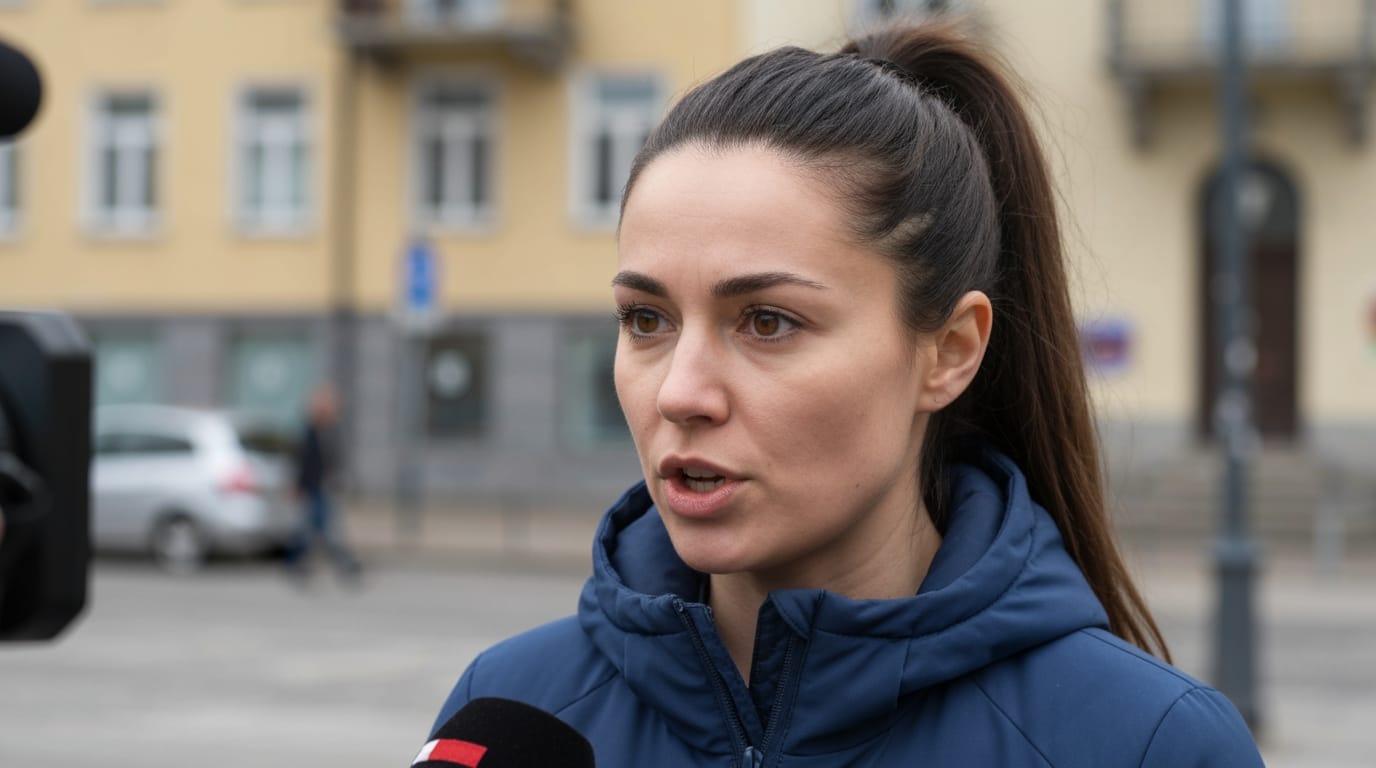
BERLIN – In a powerful testament to unbowed human spirit, prominent Belarusian opposition figure Maria Kalesnikava has begun a new chapter of activism from German exile, signaling an unwavering commitment to democratic change for her homeland. Her journey from the confines of a Belarusian prison to engagement on the international stage embodies a steadfast resolve and a refusal to yield, a sentiment echoed by many within the beleaguered opposition movement. Just weeks after her release in December 2025, Kalesnikava, a key architect of the 2020 protests against President Alexander Lukashenka, was warmly received by German President Frank-Walter Steinmeier in Berlin, a visit underscoring her enduring significance and the international recognition of her courage.
Kalesnikava's emergence from years of unjust imprisonment and her immediate re-engagement with political advocacy highlights the resilience of those who have challenged the authoritarian regime in Minsk. Her story is not merely one of personal endurance but symbolizes the broader struggle of Belarusian civil society, which continues to resist repression despite overwhelming odds. For activists like Kalesnikava, the personal cost of dissent has been immense, yet their determination remains unbroken, often leading to exile as the only path to continue their fight.
The Architect of Dissent: A Stand Against Suppression
Maria Kalesnikava rose to international prominence during the tumultuous 2020 presidential elections in Belarus. As a leading figure in the opposition campaign, she became a symbol of defiance against President Lukashenka's decades-long rule. Her charismatic presence and unwavering determination galvanized hundreds of thousands of Belarusians who took to the streets in unprecedented mass protests, challenging the widely disputed election results. She was part of an alliance that independent observers largely believed defeated Lukashenka in those elections.
Her commitment was starkly demonstrated in September 2020 when, amidst a crackdown by Belarusian authorities, she famously tore up her passport at the border to prevent her forced deportation, choosing instead to face imprisonment in Belarus rather than be exiled against her will. This act of defiance solidified her status as a national hero and an icon of resistance. She was subsequently arrested and, along with other opposition leaders, subjected to a politically motivated trial, ultimately sentenced to 11 years in prison on charges widely condemned as fabricated.
Ordeal and International Connections: Years in the Shadows
Kalesnikava's imprisonment, which began in September 2020, marked a dark period not only for her but for the thousands of political prisoners swept up in the post-election crackdown. For years, she was held incommunicado, with severely restricted contact with the outside world, a common tactic used by the Belarusian regime to isolate and break dissenters. Her physical and mental well-being became a constant concern for her family, supporters, and human rights organizations worldwide.
Despite the brutal conditions and isolation, Kalesnikava's international ties, particularly with Germany, remained a significant aspect of her narrative. Before her entry into Belarusian politics, she had deep professional and personal connections to Germany, having taught flute for many years at a music conservatory in Stuttgart. These long-standing relationships proved crucial in maintaining international attention on her plight and advocating for her release. German officials and human rights groups consistently highlighted her case, advocating for her freedom and the freedom of all political prisoners in Belarus.
Freedom and the Unyielding Spirit: A New Front in the Fight
Kalesnikava's release in December 2025, reportedly as part of a broader deal that also saw the release of Nobel Peace Prize laureate Ales Bialiatski and dozens of other political prisoners, marked a significant development. The agreement, which involved talks with Washington and the lifting of US sanctions on Belarus's potash sector, offered a rare moment of diplomatic thaw amidst years of international isolation for Minsk.
Upon regaining her freedom, Kalesnikava did not retreat from the public eye. Her immediate engagement with global leaders, particularly her visit to Berlin in January 2026, where she met with German President Frank-Walter Steinmeier, demonstrated her resolute commitment to continuing the struggle for democracy. German President Steinmeier reportedly expressed, "It's nice to see you free and now healthy again," highlighting the human toll of her imprisonment and the relief at her resurgence. Her appearance in Berlin signified a symbolic re-entry into the international political arena, where she can now advocate more freely for those still suffering under repression. This tireless pursuit of justice, even after profound personal sacrifice, reflects the "no regrets" sentiment articulated by other prominent Belarusian political figures like Viktor Babaryka, who, despite his own lengthy imprisonment, expressed no regret for his political activism. Kalesnikava's actions unequivocally embody this unwavering conviction.
Exile's Role in the Broader Struggle
Kalesnikava's decision to continue her activism from Germany underscores the critical role that exiled opposition figures play in maintaining pressure on the Belarusian regime. With many independent voices stifled within Belarus, those abroad become vital conduits for information, advocacy, and organization. However, the path of exile is fraught with its own challenges, demanding adaptation to new environments while simultaneously sustaining momentum for change in a homeland often out of reach.
The Belarusian opposition movement continues to face immense challenges. While some prisoners have been released, civil rights groups report that thousands of political prisoners remain behind bars, and the regime continues to arrest more individuals. The country, under Lukashenka's rule, remains closely allied with Russia, further complicating efforts for democratic reform. Exiled leaders like Kalesnikava, Sviatlana Tsikhanouskaya, and Ales Bialiatski, now operating from Lithuania, serve as crucial voices, urging international bodies and governments to maintain sanctions and diplomatic pressure on Minsk. Their persistent advocacy aims to ensure that the plight of those still imprisoned is not forgotten and that the dream of a democratic Belarus remains alive.
Maria Kalesnikava's presence in Germany marks a significant moment for the Belarusian opposition. Her journey from political prisoner to a prominent voice in exile is a testament to an indomitable spirit that refuses to be silenced. Her continued fight, fueled by a deeply held conviction and a palpable lack of regret for her sacrifices, serves as both an inspiration and a stark reminder of the ongoing struggle for human rights and democracy in Belarus. Her narrative reinforces the profound truth that while physical borders may divide, the resolve for freedom transcends geographical confines.


