Gabon Votes in First Presidential Election Since 2023 Coup
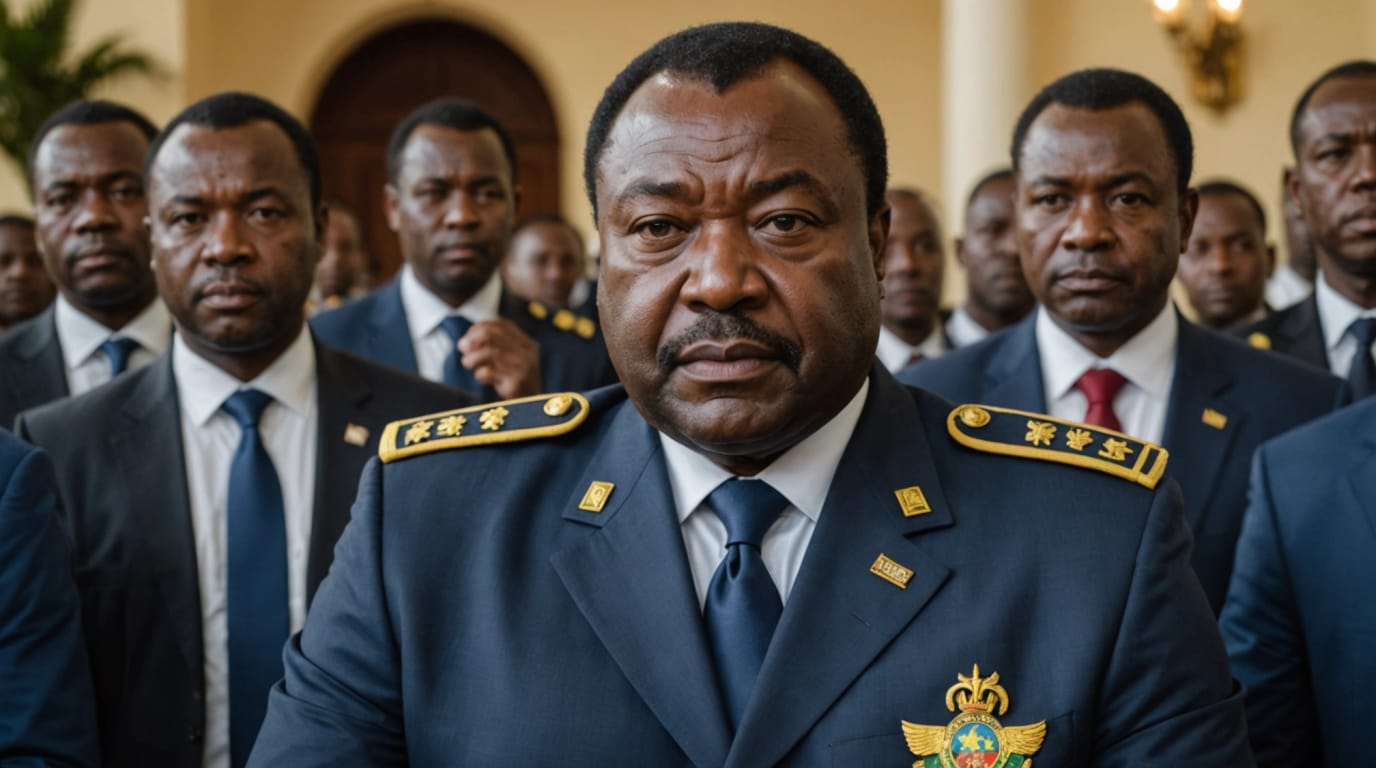
Gabon is holding its first presidential election since the military coup in August 2023, a vote seen as a critical juncture in the country's transition back to constitutional rule. Voters are casting their ballots today, April 12, 2025, to elect a president from a pool of candidates that includes the transitional president who led the coup. The election marks the end of a political transition that began with the ousting of former President Ali Bongo Ondimba, whose family had been in power for over five decades.
A Nation at a Crossroads
The election is being held months ahead of the August 2025 deadline initially set by the military government after the coup. The coup itself occurred on the same day the results of the presidential elections were released, with Ondimba declared the winner for a third term, a result disputed by the opposition. The military, led by General Brice Oligui Nguema, annulled the election results, dissolved state institutions, and seized power.
The upcoming election is viewed by analysts as a crucial step in Gabon's transition, following constitutional changes and the annulment of the previous contested election results. The African Union and the European Union are sending observers to monitor the election. Around 3,000 polling stations are being utilized to serve approximately 920,000 voters, including 28,000 based overseas.
The Candidates
Eight candidates have been validated by the Constitutional Court to contest the presidency. Among them is the transitional President Brice Clotaire Oligui Nguema, who resigned from his military post to participate in the election. His main challenger is Alain-Claude Bilie By Nze, a former prime minister under the Bongo administration. Other candidates include former 2023 presidential contenders Axel Stophene Ibinga Ibinga and Thierry Yvon Michel Ngoma, both businessmen. Zenaba Gninga Chaning, the only female candidate, is also in the running.
Several prominent opposition figures were barred from contesting the election due to a new age limit and other eligibility requirements inserted in the new electoral code. These include Albert Ondo Ossa and Pierre Moussavou.
The Shadow of the Past
Gabon has a history of elections marred by irregularities and accusations of rigging. In the 2016 presidential election, observers noted numerous irregularities, including a questionable vote count in Bongo Ondimba's home province. The government forcibly dispersed violent demonstrations that followed the election.
The Gabonese Democratic Party (PDG), the former ruling party, has won every presidential and legislative election since the introduction of one-party rule. While the military junta initially threatened to exclude the PDG from participating in the 2025 elections, Oligui Nguema later decided to allow the party to present candidates. In return, the PDG agreed to call on its activists and supporters to vote for Oligui Nguema.
A New Constitution
A new constitution was approved in a referendum in November 2024, setting a seven-year presidential term, renewable only once. The new constitution also abolished the position of prime minister. The Commonwealth sent an Expert Team to observe the referendum.
The new electoral code, put in place in January 2025, involves key steps to ensure transparency and fairness, including biometric voter registration.
International Scrutiny
The international community is closely watching the election. The Commonwealth Observer Group (COG), led by former President of Seychelles, Danny Faure, is in Gabon to assess the electoral process and the country's adherence to its own standards, international and Commonwealth values. The COG will be meeting with various stakeholders, including political parties, the police, civil society groups, citizen observer groups, the media, domestic and regional observers, and the diplomatic corps.
The African Union and the United Nations are also expected to send observers to monitor the elections.
Concerns and Doubts
Despite the systems in place, opposition figures have expressed doubts that the process will be fair. Concerns include the endorsement of Oligui Nguema by the Gabonese Democratic Party, which has historically won every election, and the premature announcement of the poll.
The Stakes
The election is a crucial test for Gabon's democratic transition. It will determine whether the country is on a firm democratic footing or whether it will be business as usual. The outcome of the election will have significant implications for Gabon's political future and its relations with the international community.
The Gabonese Red Cross plans to mobilize a team of 200 volunteers, in addition to its staff, to help the public authorities during the election.
Conclusion
As Gabon heads to the polls, the nation stands at a pivotal moment in its history. The election represents an opportunity to break with the past and establish a more democratic and accountable government. However, concerns about fairness and transparency remain. The international community will be watching closely to see whether the election is conducted in a free, fair, and credible manner. The outcome of the election will shape Gabon's political landscape for years to come.


