Gaza Faces Deepening Crisis as Ceasefire Talks Continue in Doha
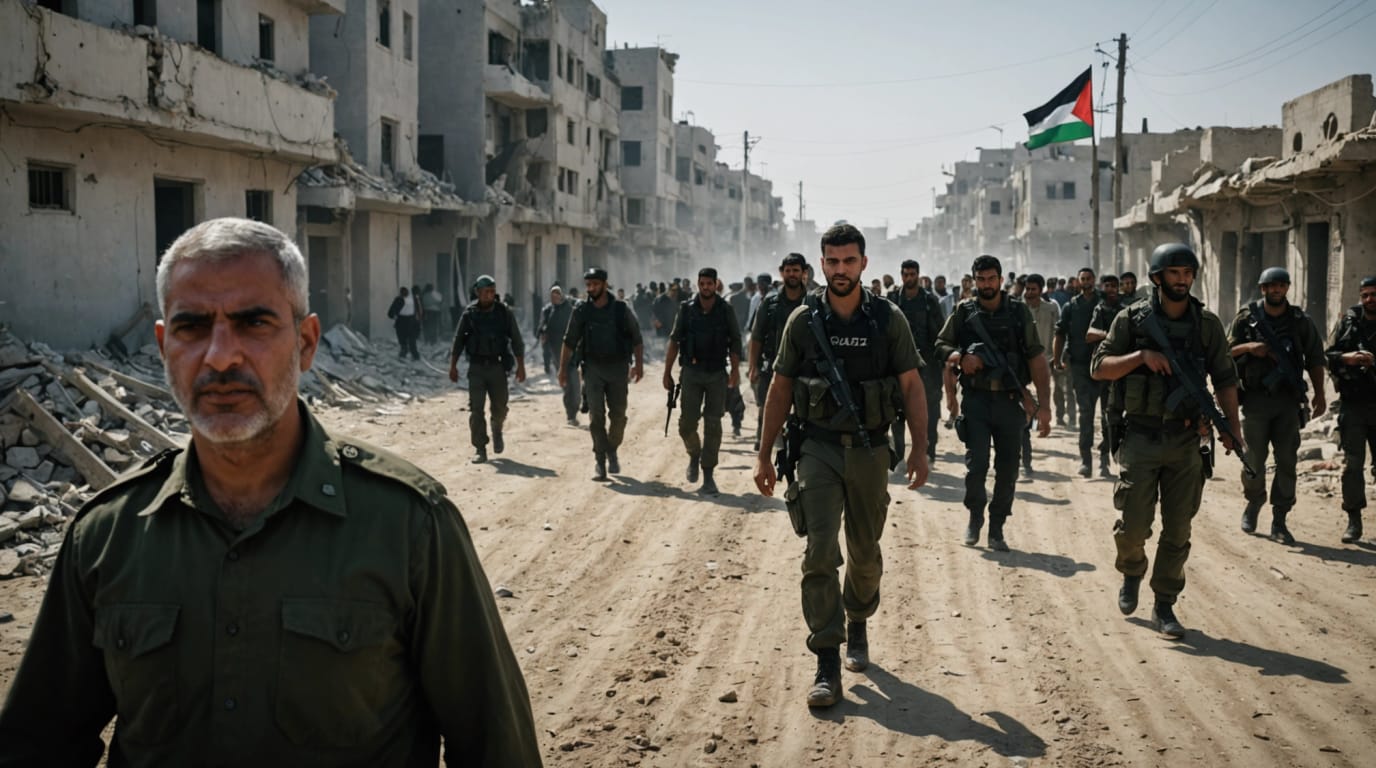
Gaza is facing a dire humanitarian situation, marked by a complete blockade and a breakdown in essential services, as indirect negotiations between Israel and Hamas continue in Doha, Qatar, aimed at extending the fragile ceasefire. The talks, mediated by the U.S., Qatar, and Egypt, are struggling to find common ground, with the population of Gaza increasingly reliant on dwindling aid supplies.
Stalled Ceasefire Negotiations
Negotiations between Israel and Hamas to extend the ceasefire in Gaza have faced significant hurdles. The initial phase of the three-phase agreement concluded on March 1, 2025, without a consensus on subsequent stages that would ensure a permanent end to the conflict. While both sides have refrained from resuming full-scale fighting, disagreements persist regarding the terms of a longer-term truce.
Israel is advocating for a roughly two-month extension of the ceasefire, during which Hamas would release approximately half of the living hostages. Hamas, however, insists on adhering to the original framework agreed upon in January, which includes a complete withdrawal of Israeli forces from Gaza.
U.S. Special Envoy to the Middle East Steve Witkoff is in Doha to facilitate the talks, meeting with Qatari Prime Minister Mohammed bin Abdulrahman Al Thani. Mediators are reportedly urging Hamas to demonstrate its commitment by accepting the proposed extension, which would provide additional time to reach broader agreements on the ongoing ceasefire.
Humanitarian Catastrophe Worsens
The humanitarian situation in Gaza has deteriorated significantly in recent weeks. Israel has imposed a total blockade on the Gaza Strip for nearly two weeks, preventing the entry of food, fuel, and medicine. This blockade has exacerbated the already dire conditions for the more than two million residents of Gaza, the vast majority of whom are dependent on humanitarian aid.
The United Nations and various humanitarian organizations have expressed grave concerns about the situation. Doctors Without Borders has accused Israel of using humanitarian aid as a bargaining chip. The organization's criticism comes days after Israeli authorities cut power to the only remaining water desalination plant in Gaza, further limiting access to clean drinking water.
Qatar and Jordan have accused Israel of deliberately imposing starvation on Gaza by tightening its siege and cutting off the power line to the desalination plant.
Impact on Gaza's Population
The ongoing conflict and blockade have had a devastating impact on the population of Gaza. The Gaza Health Ministry reports that at least 48,515 Palestinians have been killed and 111,941 wounded in Israel's war on Gaza. The Gaza Government Media Office has updated its death toll to more than 61,700, saying thousands of Palestinians missing under the rubble are presumed dead.
The lack of essential supplies has led to soaring prices and widespread shortages. The United Nations Relief and Works Agency for Palestine Refugees in the Near East (UNRWA) has warned that it only has enough supplies to last for two weeks.
The disruption of water and electricity services has further compounded the suffering of Gaza's residents. With the desalination plant out of operation, access to clean water is severely limited, raising concerns about the spread of disease.
Regional and International Response
The crisis in Gaza has drawn widespread condemnation from regional and international actors. Egypt has expressed its appreciation for the U.S.'s understanding of the need to prevent further deterioration of the humanitarian situation in Gaza and to find fair, sustainable solutions to the Palestinian issue.
Arab leaders have approved a counterproposal to U.S. President Donald Trump's call for the Gaza Strip to be depopulated of Palestinians.
Yemen's Houthi rebels have vowed to resume attacks on Israeli ships traveling through the Red Sea and the Gulf of Aden until shipments of aid are allowed back into Gaza.
The five European members of the U.N. Security Council have called on Israel to immediately allow food and other supplies into Gaza.
Future Prospects
The future of Gaza remains uncertain as ceasefire talks continue and the humanitarian crisis deepens. The outcome of the negotiations in Doha will have a significant impact on the lives of millions of Palestinians.
A failure to reach an agreement could lead to a resumption of full-scale fighting, further exacerbating the humanitarian situation. A successful extension of the ceasefire, on the other hand, could provide a window of opportunity to address the urgent needs of Gaza's population and to work towards a more lasting resolution of the conflict.
The international community faces the challenge of ensuring that humanitarian aid reaches those in need and of supporting efforts to achieve a just and sustainable peace in the region.


