Nigeria's Solar Ambition Clouded by Cost and Policy Hurdles
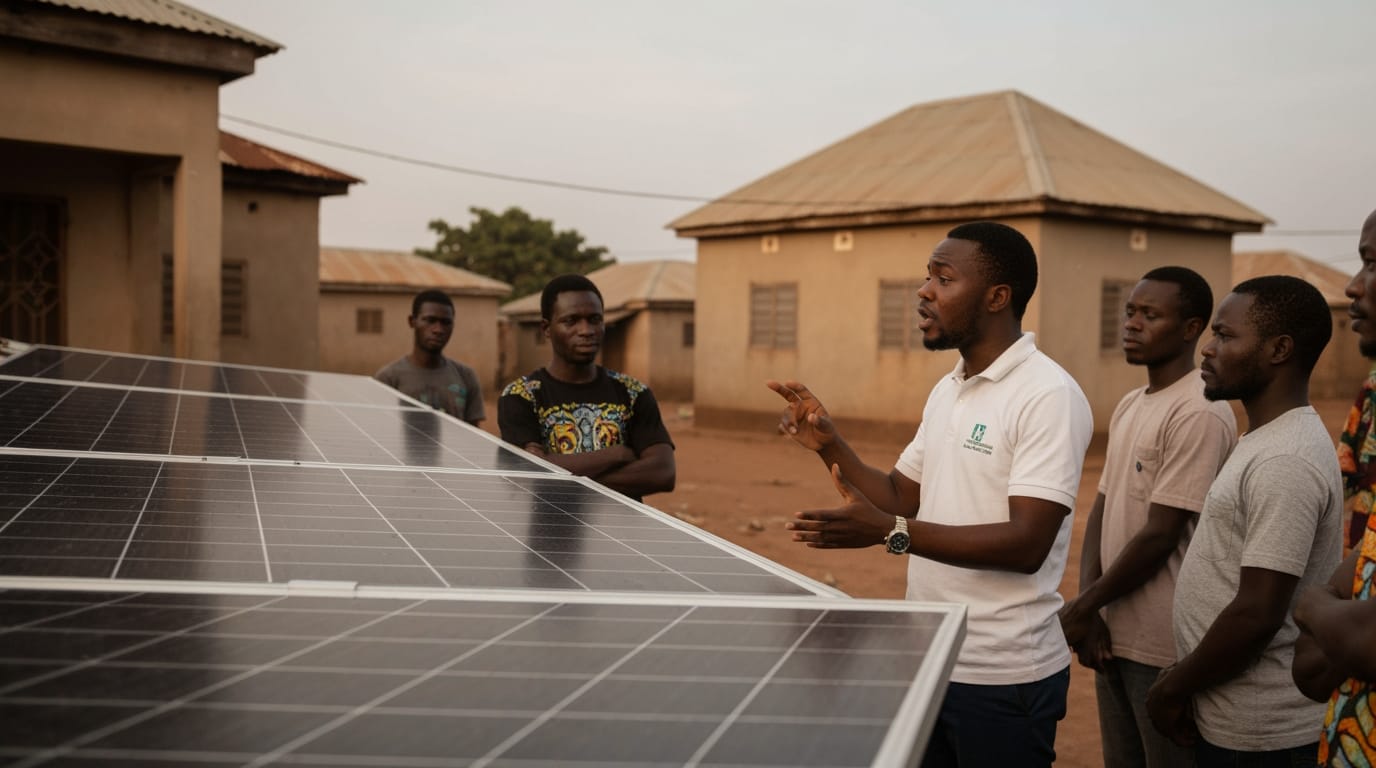
Nigeria, a nation blessed with abundant sunlight, stands at a critical juncture in its quest for energy independence and universal electricity access. With an estimated 85 million citizens still living without reliable power, solar energy presents a compelling solution to bridge this vast energy deficit. The country boasts impressive solar potential, with average annual global horizontal irradiation ranging between 1,600 and 2,200 kilowatt-hours per square meter, translating to a technical potential of 210 gigawatts for photovoltaic (PV) systems alone. However, despite this immense natural endowment and urgent need, Nigeria's solar boom is significantly hampered by a complex web of financial and regulatory obstacles, preventing widespread adoption and stifling its transformative power.
The Unmet Promise: Tapping into Nigeria's Abundant Sun
For a country where grid electricity remains erratic and inaccessible to a large segment of the population, particularly in rural areas, solar power offers a decentralized and sustainable pathway to electrification. In 2023, Nigeria's electrification rate stood at approximately 61.2%. The reliance on expensive, noisy, and polluting diesel and petrol generators has become a default for millions of households and businesses, with Nigerian businesses reportedly spending an estimated $14 billion annually on self-generated power. Solar's potential to displace these traditional, costly alternatives is enormous, promising not just light but also economic growth, improved health, and educational opportunities. Studies indicate that decentralized solar solutions are crucial for Nigeria's expanding renewables sector, with off-grid solar potentially adding an additional 75 GW by 2050.
The Cost Conundrum: Financial Barriers to Adoption
The path to solar adoption in Nigeria is paved with significant financial hurdles, making the technology often unaffordable for the very communities that need it most. One of the primary challenges remains the high initial investment required for solar panels, inverters, batteries, and other essential equipment. This upfront cost is frequently prohibitive for many households and small businesses, particularly in low-income areas.
Adding to this burden are inconsistent import policies. While fully assembled solar panels have, at times, been exempt from import duties, the raw materials necessary for local manufacturing, or panels with specific components, have faced duties ranging from 5% to 10% plus an additional 5% Value Added Tax (VAT). This creates a paradoxical situation where local producers are disadvantaged, as their input costs are inflated, making their final products less competitive than imported, duty-free finished goods. The government's latest fiscal policy measures, effective April 1, 2026, introduce higher import taxes on finished solar goods, aiming to boost local manufacturing. However, this is projected to result in a 15% to 25% rise in solar panel prices for consumers by late 2026.
Furthermore, access to affordable financing remains a critical bottleneck. Many financial institutions are hesitant to invest in renewable energy projects due to perceived risks and uncertainties. Prohibitive interest rates, sometimes reaching up to 26%, deter potential investors and project developers. Small-scale projects, which are vital for rural energy access, often fail to meet the minimum size thresholds required by financiers, further limiting their ability to attract long-term investment. Compounding these issues are currency fluctuations and high inflation, which increase the cost of imported components and create an unstable investment climate.
Policy Paralysis: Regulatory and Implementation Roadblocks
Beyond financial constraints, Nigeria's solar sector grapples with an inadequate and often inconsistent policy and regulatory framework, leading to uncertainty and hindering sustained growth. While the government has introduced various policies such as the Renewable Energy Master Plan (REMP) and the National Renewable Energy and Energy Efficiency Policy (NREEEP) to promote clean energy, their implementation has often been slow and fragmented.
Bureaucratic inefficiencies and a lack of clear guidelines create significant hurdles. Solar companies frequently face delays in obtaining necessary licenses and navigating regulatory requirements from multiple agencies. The absence of defined policies on crucial aspects like net metering, which would allow consumers to sell surplus energy back to the grid, further complicates investment decisions and limits the economic viability of solar installations.
Moreover, specific regulations can inadvertently stifle growth. For instance, the Nigerian Electricity Regulatory Commission (NERC) previously capped the capacity of mini-grids at 1 megawatt (MW), a limit considered too small by many investors for their projects to be economically viable, thus deterring larger-scale investments in rural electrification. Inconsistent policy enforcement and weak institutional capacity also contribute to an unpredictable environment for both local and international investors.
The Human Impact and Stifled Progress
The combined effect of these financial and policy barriers directly impedes Nigeria's progress toward achieving universal energy access and sustainable development goals. Millions of Nigerians continue to endure energy poverty, forced to rely on expensive and environmentally damaging alternatives. The high costs often push consumers towards acquiring undersized or low-quality solar systems, which frequently underperform or fail prematurely, leading to disillusionment and skepticism about solar technology's potential.
Furthermore, the policy contradiction regarding import duties on raw materials for solar manufacturing undermines the growth of a robust domestic industry. This not only limits job creation and technology transfer but also compromises Nigeria's long-term energy security by maintaining a heavy reliance on imports. The inability to scale solar solutions efficiently means businesses struggle with unreliable power, impacting productivity and hindering overall economic development.
Glimmers of Hope: Government Efforts and Future Outlook
Despite the significant challenges, there are concerted efforts by the Nigerian government and its agencies to overcome these obstacles and accelerate solar adoption. The Rural Electrification Agency (REA) has been instrumental in promoting off-grid solar solutions, including the ambitious Solar Power Naija program, which aims to achieve 5 million new solar connections by 2026. The REA has also overseen the deployment of numerous solar mini-grids, completing over 200 projects in 2025 under the Nigeria Electrification Project (NEP), with another 1,350 planned under the Distributed Access through Renewable Energy Scale-Up (DARES) program.
A growing focus on boosting local manufacturing capacity is also evident. Nigeria's domestic solar panel production capability increased from 120 MW to 300 MW by January 2026, supported by incentives and partnerships for local assembly and component manufacturing. The government plans a comprehensive solar panel import ban by 2025-2026, signaling a strong commitment to stimulating the domestic solar industry and reducing import dependency. Efforts by institutions like the Bank of Industry (BoI) and the Central Bank of Nigeria (CBN) to provide low-interest loans for renewable energy projects, though currently limited in scale, represent steps toward addressing financing gaps.
In conclusion, Nigeria's solar sector, while brimming with potential to transform the nation's energy landscape, faces a dual challenge of prohibitive costs and inconsistent policy implementation. Unlocking this potential requires a coordinated strategy that prioritizes accessible financing mechanisms, streamlines regulatory processes, and fosters a transparent and predictable investment climate. By addressing these critical barriers, Nigeria can harness its abundant solar resources to achieve energy security, stimulate economic growth, and ultimately improve the quality of life for millions of its citizens, moving closer to its goal of universal energy access by 2030.


