German Authorities Dismantle Major Sanctions Evasion Network Supplying Russian Defense Industry
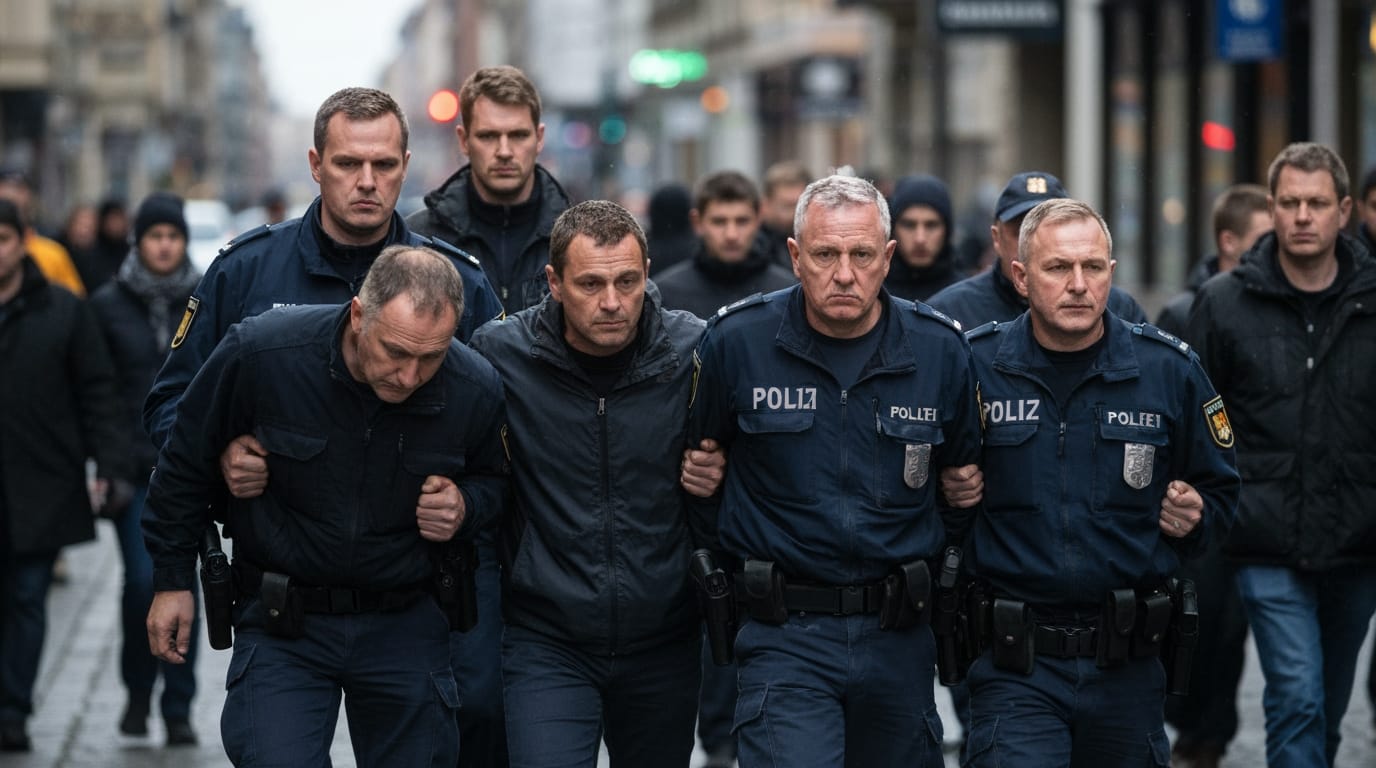
LÜBECK, Germany – In a significant crackdown on illicit trade circumventing European Union sanctions against Russia, German federal prosecutors on Monday announced the arrest of five individuals suspected of orchestrating a vast network that supplied goods worth at least 30 million euros to Russian defense companies. The arrests, made across northern Germany, underscore the persistent challenges in enforcing international sanctions and highlight the intricate methods employed to bypass restrictions imposed following Russia's full-scale invasion of Ukraine in February 2022.
The comprehensive operation, led by German federal prosecutors and supported by customs agents and the country's foreign intelligence service, exposed a sophisticated scheme involving shell companies, fictitious buyers, and a web of international transactions designed to mask the ultimate destination of the prohibited exports. Authorities estimate the network facilitated approximately 16,000 shipments to Russia since the war began, channeling critical supplies to at least 24 sanctioned Russian defense firms.
Unraveling the Web of Deceit
The investigation zeroed in on a Lübeck-based trading company, allegedly at the heart of the illicit procurement and export operation. Prosecutors identified Nikita S., a dual German-Russian national, as a central figure in the scheme, serving as the sole owner and managing director of the trading company. He, along with other suspects, is accused of systematically violating Germany's Foreign Trade Act and EU sanctions regulations. The modus operandi involved leveraging at least one additional shell company within Lübeck, utilizing fake recipients both inside and outside the European Union, and collaborating with a Russian recipient company where Nikita S. also held a leadership position. This elaborate setup was designed specifically to obscure the true nature and destination of the goods, allowing them to circumvent embargo restrictions.
The five individuals taken into custody on Monday include German, Ukrainian, and Russian nationals. Besides Nikita S., the Federal Prosecutor's Office confirmed the arrests of Artem I. (a German and Ukrainian citizen), Boris M. and Yevhen R. (both German citizens), with another German-Russian citizen, Daniel A., temporarily detained. These arrests were carried out under warrants issued by an investigating judge of the Federal Court of Justice, with simultaneous raids conducted in several locations, including Lübeck, Herzogtum Lauenburg district, Frankfurt am Main, Nuremberg, Nordwestmecklenburg district, and Ostholstein district. Authorities also ordered an asset freeze of 30 million euros to secure potential claims, reflecting the estimated value of the illegal trade. While five individuals have been detained, prosecutors confirmed that five additional suspects remain under investigation and are currently at large, indicating a broader criminal enterprise.
Goods for War: Supplying Russia's Military Machine
The items funneled through this clandestine network were destined for Russian defense companies, entities specifically targeted by international sanctions to cripple Moscow's military-industrial complex. While specific details about the types of goods were not fully disclosed by prosecutors, the sheer volume and value of the shipments — an estimated 16,000 deliveries totaling over 30 million euros — suggest a wide array of industrial components, technologies, or materials crucial for military production.
Prosecutors' suspicions that "Russian state agencies" directed or supported this procurement network add a critical layer to the allegations, suggesting a deliberate and coordinated effort by the Russian state to bypass Western restrictions. The identification of at least 24 sanctioned Russian defense companies as the ultimate recipients of these goods underscores the direct impact of such evasion schemes on the effectiveness of international sanctions. These sanctions are meticulously designed to limit Russia's access to technologies, industrial components, and materials that could be weaponized or contribute to its war efforts in Ukraine.
The Broader Fight Against Sanctions Evasion
These arrests in Germany are part of a larger, ongoing effort by European nations to counter Russia's persistent attempts to circumvent sanctions. Since the onset of the war, European governments have intensified their monitoring of export routes and supply chains, recognizing that the integrity of their sanctions regimes is vital to pressuring Moscow. The sophistication of the network dismantled in Germany highlights the evolving tactics employed by those seeking to profit from or support the Russian war machine.
The European Union, in particular, has been proactive in strengthening its legal and enforcement frameworks. The EU is currently preparing its 20th sanctions package against Russia, with a focus on limiting energy revenues, neutralizing the "shadow fleet" used for illicit oil transport, and blocking elaborate sanctions-evasion schemes. Ukrainian President Volodymyr Zelenskyy recently noted Ukraine's synchronization of its own sanctions with the EU, targeting companies servicing Russia's tanker fleet and those involved in oil transport under international restrictions. This coordinated international response aims to close loopholes and increase the financial and logistical costs for Russia.
Past instances, such as German customs seizing a tanker carrying sanctioned crude oil in March 2025, or an arrest in October 2024 related to exporting satellite antennas and sonars to Russia, demonstrate a pattern of sustained enforcement actions. These incidents, alongside the current arrests, illustrate that while new measures are continuously introduced, the cat-and-mouse game of sanctions and evasion remains a constant challenge for international authorities.
Implications and Moving Forward
The apprehension of these five individuals sends a clear message that European authorities are committed to rigorously enforcing sanctions and prosecuting those who undermine international efforts to isolate Russia. If convicted, the suspects could face significant criminal penalties under German and EU sanctions enforcement laws, serving as a deterrent to others considering similar illicit activities.
This latest operation underscores the necessity for continued vigilance, intelligence sharing, and international cooperation to effectively counter sophisticated sanctions evasion networks. As the conflict in Ukraine continues, the economic pressure exerted through sanctions remains a critical tool. The successful disruption of this network in Germany represents a tangible victory in the broader economic warfare, depriving Russia of resources that could otherwise fuel its military objectives. The ongoing investigations and the fact that other suspects remain at large suggest that the pursuit of justice in this complex domain is far from over.


