German Building Sector Grapples with Spiraling Costs, Housing Crisis Deepens
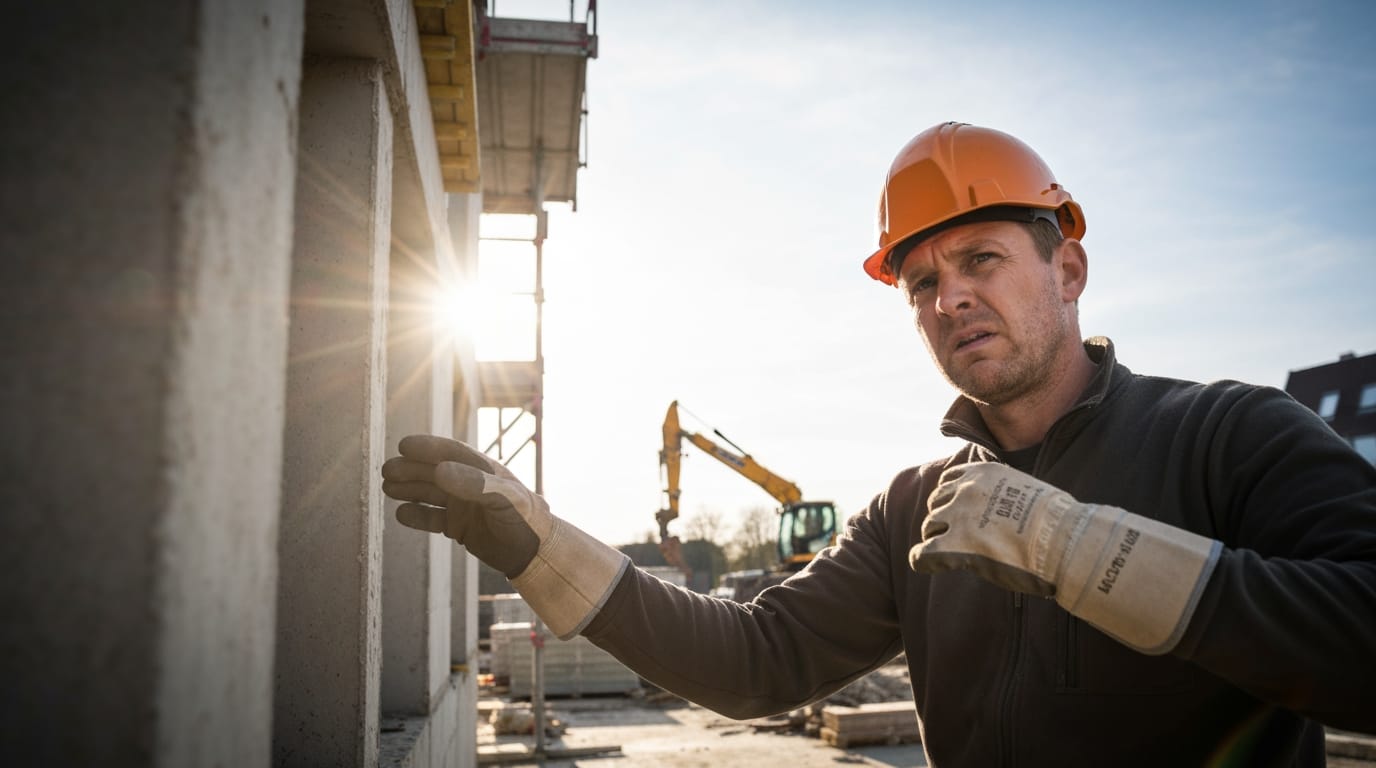
Berlin, Germany – Germany's vital construction sector is sounding alarm bells as spiraling costs, plummeting permits, and a deepening housing crisis threaten to destabilize the nation's economy. Industry leaders warn of a systemic downturn, characterized by declining investments, widespread project cancellations, and a stark affordability challenge for millions, urging urgent and decisive government intervention.
A Sector in Distress: The Unrelenting Rise of Costs
The German construction industry finds itself in an unprecedented crisis, with the cost of construction services surging by a staggering 35% since 2020. This rapid escalation far outstrips general inflation, which rose by only a third in the same period, making new construction prohibitively expensive. The average cost per square meter of living space for a building alone has climbed from approximately €1,360 in 2010 to €2,510 in the first half of 2024, an increase of over four-fifths. This financial burden has pushed many projects into unprofitability, leading to a significant number of cancellations and a wave of insolvencies across the sector. Data from October 2023 showed more than 22% of construction companies reporting canceled projects, a record high since 1991. The total number of corporate insolvencies increased by 23.6% year-on-year in the first ten months of 2024, impacting nearly 160,000 employees.
The Perfect Storm: Multifaceted Causes of the Crisis
Several intertwined factors have converged to create this challenging environment for German builders. A primary driver has been the sharp increase in material costs. Key building materials such as wood, steel, insulation, bitumen, and cement have seen substantial price hikes, aggravated by persistent supply chain disruptions and high global demand. Raw material costs are now more than 40% higher than pre-pandemic levels. Energy-intensive materials have been particularly affected by rising energy prices.
Compounding material costs are significantly elevated interest rates. Loan interest rates, which were below 1% prior to 2021, have now risen to between 3.5% and 4%. This dramatic increase in financing costs renders numerous construction projects unprofitable, especially for institutional investors with specific return targets. Additionally, a critical shortage of skilled labor has not only increased wage costs but also extended average construction times from 20 to 26 months, further delaying project completions and adding to overall expenses.
Regulatory complexities and bureaucratic hurdles also contribute significantly to the spiraling costs. Germany faces some of the highest ancillary construction costs in Europe, with taxes and public charges accounting for nearly a third of total expenses in residential construction. Tightening building regulations and slow administrative processes add both cost and time to projects. Furthermore, rising energy expenses for existing buildings, driven by increased CO2 prices and the removal of state subsidies for transmission grid fees, further burden property managers and consumers.
Ripple Effects: Housing Shortages and Economic Strain
The consequences of this construction downturn are far-reaching, most notably impacting Germany's housing market. The ambitious government target of constructing 400,000 new apartments annually has been consistently missed. In 2024, housing completions dropped to just 251,000 units, significantly below the estimated annual need of 320,000. The number of building permits issued between 2021 and 2024 plummeted by 43%, signaling a continued decline in future completions. Experts suggest Germany requires between 600,000 and 800,000 more homes to address current demand.
This acute shortage has fueled a severe affordability crisis. Rents have surged by almost 50% nationally over the past decade, and in cities like Berlin, they have more than doubled. A growing proportion of the population is now spending over 40% of their income on housing, pushing many households to their financial limits and exacerbating social inequalities.
Beyond housing, the crisis poses a significant threat to the broader German economy. The construction sector, which accounts for approximately 12% of the country's GDP and employs 2.6 million people, has seen construction investment decline for four consecutive years. This contraction not only impacts direct construction output but also has downstream effects on numerous related industries and overall economic growth. Even renovation rates are slumping due to surging costs, jeopardizing Germany's ability to meet its climate targets for buildings.
Calls for Action: Government Measures and Industry Proposals
Recognizing the severity of the situation, the German government has initiated several measures aimed at revitalizing the sector. Reforms planned for 2026, dubbed "Construction Turbo Mode," aim to accelerate permitting processes, promising approvals within a maximum of two months, and promoting standardized, modular construction methods. Construction Minister Verena Hubertz has highlighted that serial construction could reduce building costs by 30-40%, potentially even 50% over a building's lifecycle.
Financial support includes €11 billion allocated for social and climate-neutral housing, with a broader commitment of €20 billion for affordable housing by 2028. Efforts are also underway to simplify construction practices and reduce bureaucratic burdens, including a decision to suspend the tightening of building efficiency rules initially planned for 2025 to help boost affordable housing.
While civil engineering has seen some growth due to major infrastructure projects, the residential sector remains the most problematic segment. Industry associations continue to advocate for a radical reduction in regulations, which they argue disproportionately drive up costs. However, persistent challenges such as high land prices and ongoing skilled worker shortages remain critical obstacles that require sustained attention. The recent political instability, including the collapse of the German government in late 2024, has further intensified pressure on the sector, postponing crucial policy decisions.
Conclusion: A Critical Juncture for Germany's Future
The German building sector stands at a critical juncture. The convergence of soaring material and financing costs, coupled with labor shortages and regulatory complexities, has triggered a deep crisis with profound implications for housing affordability and national economic stability. While government initiatives are underway to streamline processes and offer financial incentives, the scale of the challenge demands a concerted and sustained effort from policymakers, industry stakeholders, and the financial sector. Addressing these fundamental issues is not merely about supporting a single industry; it is about safeguarding Germany's future housing supply, ensuring economic resilience, and maintaining social equity for its citizens.


