Global Energy Upheaval: Southeast Asia Grapples with Crisis as China Positions for Regional Leadership
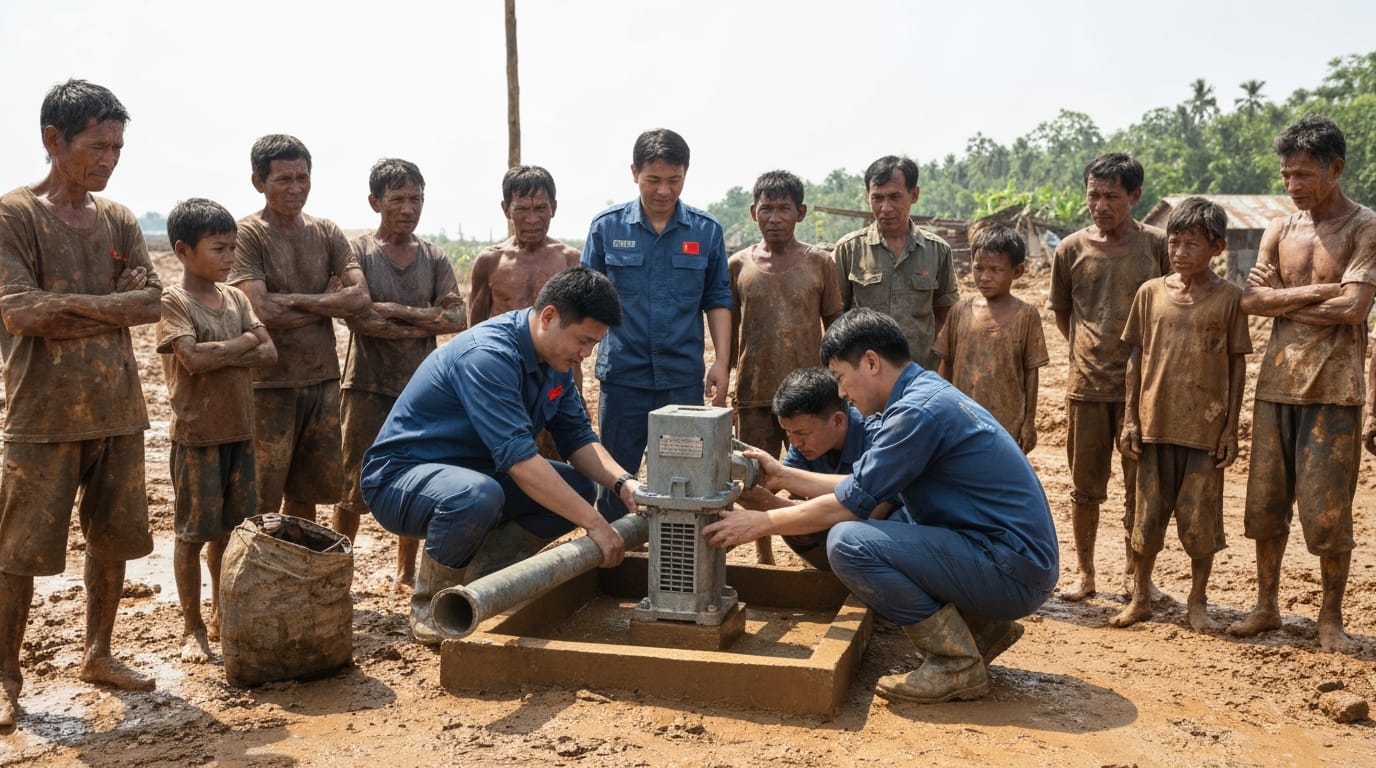
A hypothetical United States-Iran conflict has sent shockwaves through global energy markets, exposing acute vulnerabilities in Southeast Asia and setting the stage for China to potentially solidify its role as a regional anchor. The dramatic escalation, characterized by a near-total disruption of shipping through the vital Strait of Hormuz, has triggered unprecedented oil price surges and severe energy shortages across Asian economies, compelling nations to seek immediate solutions amidst the chaos. The crisis underscores the intricate web of geopolitical dependencies and economic imperatives shaping the Indo-Pacific, with Beijing subtly, yet strategically, advancing its influence.
The Chokepoint Crisis: Strait of Hormuz and Global Repercussions
The core of the unfolding global energy crisis lies in the Strait of Hormuz, a narrow maritime passage through which a significant portion of the world’s crude oil and liquefied natural gas (LNG) transits daily. In the wake of a hypothetical US-Iran conflict, the strait has faced severe disruptions, with maritime traffic coming to a virtual standstill. International Energy Agency assessments indicate that this disruption represents the largest supply shock in the history of the global oil market, with flows collapsing from approximately 20 million barrels per day to a mere trickle.
The immediate consequence has been a dramatic spike in energy prices. Brent crude oil prices soared to nearly $120 per barrel, with some analysts suggesting they could test $120 within days, nearing historical highs. The disruption extends beyond oil, affecting LNG supplies, which are crucial for many Asian economies. With Gulf producers forced to curtail output due to halted exports and damaged infrastructure, the physical supply of hydrocarbons has been severely compromised, pushing markets into unchartered territory of forced demand destruction. This profound instability reverberates globally, but its impact is most acutely felt in Asia, which depends on the Middle East for approximately 80% of its energy imports.
Southeast Asia's Energy Precarity Laid Bare
Southeast Asian nations, largely net energy importers and heavily reliant on fossil fuels, find themselves particularly exposed to the ongoing crisis. The region’s energy demand is projected to increase significantly, making its high import dependency a critical vulnerability. Already, the immediate effects are palpable. Thailand and Vietnam have reportedly mandated public sector employees to work from home to conserve energy, while the Philippines has imposed a four-day workweek and aims to cut electricity consumption by up to 20%. India is experiencing cooking gas shortages, and Thailand's government fund to subsidize fuel costs has gone into deficit.
Economies like the Philippines, Thailand, and Indonesia face considerable risks of inflationary pressures should the conflict and the Strait of Hormuz closure persist. The reliance on external energy supplies, particularly from the Middle East, leaves these nations highly susceptible to global price fluctuations and supply shocks. While some countries have limited flexibility to switch to alternative fuels or increase domestic coal generation, those heavily dependent on gas and LNG, such as Singapore and Thailand, have fewer immediate short-term alternatives. This crisis serves as a stark reminder for the region to enhance its energy security through diversification and a greater push towards renewable sources, though such transitions offer no immediate solace.
China's Strategic Embrace: A Lifeline or a New Dependency?
Amidst this regional turmoil, China's extensive economic and infrastructural engagement with Southeast Asia positions it uniquely to respond and potentially deepen its influence. Beijing has long established itself as the region’s largest trading partner and a significant source of investment and infrastructure financing.
A cornerstone of this engagement is the Belt and Road Initiative (BRI), which has funded and facilitated large-scale infrastructure projects across Southeast Asia, including railways, ports, and energy infrastructure. Projects like the China-Laos Railway and the Jakarta-Bandung High-Speed Railway exemplify China's commitment to improving connectivity and economic integration within the region. In a period of crisis, these existing ties and infrastructure projects could be leveraged by China to provide stability and support, reinforcing its image as a reliable partner for development. Beijing has also shown a pivot towards a "green BRI," investing billions in renewable energy projects and critical mineral development in Southeast Asia, which could offer solutions to the region's long-term energy security challenges.
While China itself is a major energy importer through the Strait of Hormuz, its diversified energy system may offer it a buffer that its Southeast Asian neighbors lack. This comparative resilience could enable China to present itself as a more stable and capable partner in managing the crisis's fallout, potentially offering economic aid, preferential trade terms, or assistance in mitigating energy shortages. China's non-interference foreign policy, emphasizing mutual respect and peaceful coexistence, also stands in contrast to perceived Western interventionism, a stance that could resonate with Southeast Asian nations wary of external pressures.
Southeast Asia's Delicate Balancing Act
The geopolitical landscape of Southeast Asia is characterized by a delicate balancing act between the competing influences of the United States and China. While a hypothetical US-Iran conflict might highlight US military engagement in the Middle East, potentially drawing attention away from the Indo-Pacific, it also creates a vacuum for China to enhance its economic and political sway. Surveys indicate a growing inclination among some Southeast Asian countries to favor China as an economic partner, partly influenced by US inward-looking trade policies.
However, this engagement is not without its complexities. Despite deep economic ties, a significant level of distrust and skepticism persists among Southeast Asian nations regarding China's growing economic clout and assertive behavior, particularly in the South China Sea. Concerns about potential debt traps and opaque bidding processes associated with BRI projects also remain. Consequently, many ASEAN member states actively pursue diversified partnerships with other middle powers, including Japan, South Korea, India, and the European Union, to mitigate over-reliance on any single major power.
Conclusion
The hypothetical US-Iran conflict and its ripple effects through the Strait of Hormuz have cast a long shadow over Southeast Asia, exacerbating existing energy vulnerabilities and presenting profound economic challenges. In this tumultuous environment, China's extensive economic ties, infrastructure development initiatives, and consistent foreign policy stance position it to play a more prominent, and potentially decisive, role in regional stability and recovery. While this could offer a much-needed lifeline to energy-starved nations, it also compels Southeast Asia to navigate an increasingly complex geopolitical terrain, balancing immediate needs with long-term strategic independence as China endeavors to consolidate its leadership within the region. The crisis, though severe, may ultimately accelerate a reordering of regional influence, with significant implications for global power dynamics.


