German Chancellor Merz and NATO Secretary General Rutte Forge United Front in Berlin Amidst Global Instability
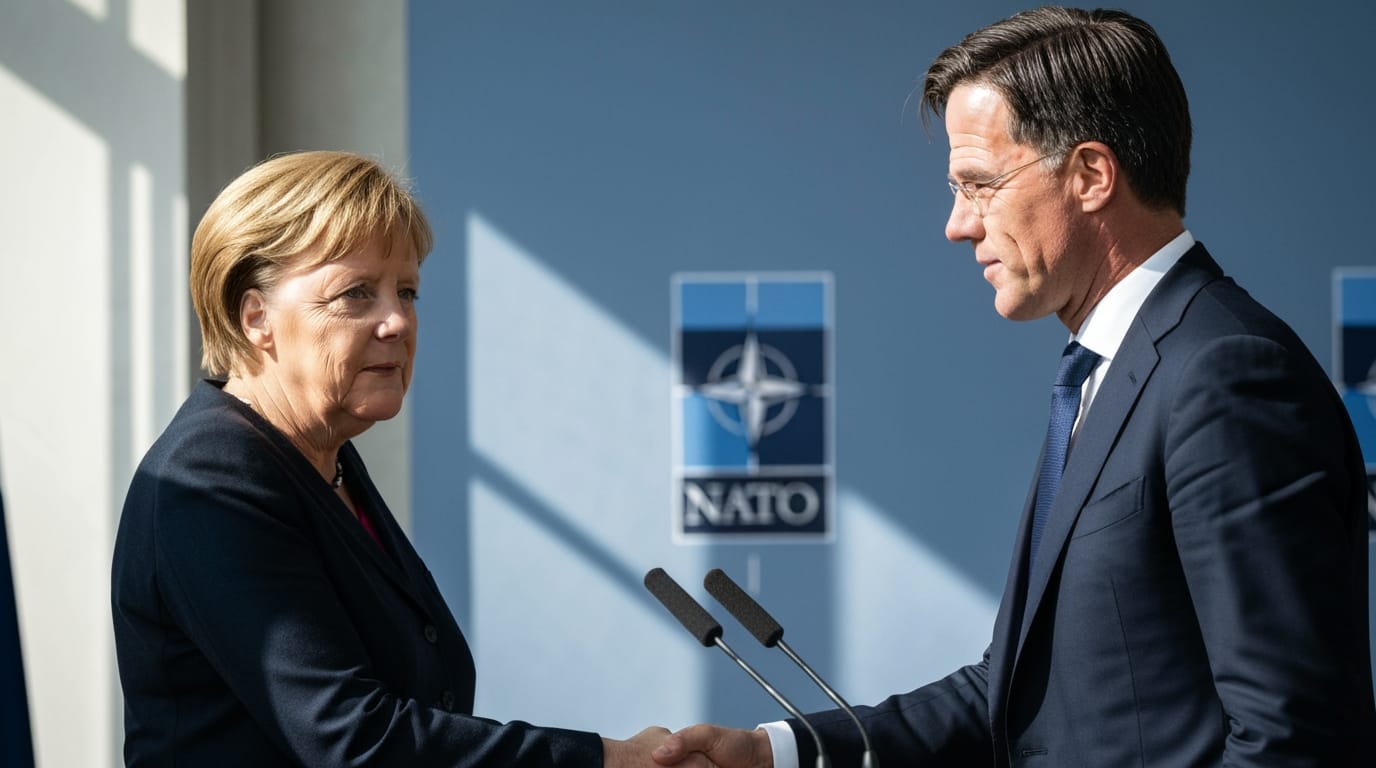
Berlin, Germany – German Federal Chancellor Friedrich Merz welcomed NATO Secretary General Mark Rutte to Berlin today for high-level discussions centered on bolstering Euro-Atlantic security, addressing the Alliance's contemporary challenges, and reinforcing unwavering support for Ukraine. The meeting at the Chancellery underscored a critical moment for transatlantic cooperation, as both leaders emphasized the urgent need for enhanced deterrence and defense capabilities across the Alliance in a rapidly evolving geopolitical landscape.
High-Stakes Diplomacy in the German Capital
The day's agenda, outlined prior to the Dec. 11, 2025, gathering, featured extensive talks between Chancellor Merz and Secretary General Rutte. Their deliberations focused on the pressing security and political issues facing the Euro-Atlantic region, alongside the multifaceted challenges confronting the NATO Alliance. A central theme of the discussions was the continued and robust support for Ukraine, a nation still grappling with ongoing aggression. Following their private discussions, both leaders participated in a joint press conference, publicly outlining their shared commitments and policy objectives. In addition to his meeting with Chancellor Merz, Secretary General Rutte was scheduled to deliver a keynote address at the "MSC in Berlin" event, organized by the Munich Security Conference, and to meet with Federal Minister for Foreign Affairs Johann Wadephul, further solidifying the diplomatic engagements of his visit. This series of high-level meetings highlights Germany's central role within NATO and its commitment to collective security.
Germany's Pivotal Role and Accelerated Defense Commitments
NATO Secretary General Rutte used the opportunity in Berlin to commend Germany's substantial contributions to the Alliance, acknowledging its leading role in European security. He specifically praised Germany's resolve, unwavering commitment, and its landmark decision to significantly increase defense spending. Merz, in turn, emphasized Germany's determination to implement the strategic decisions forged at the recent NATO summit in The Hague, particularly those concerning the fortification of defense budgets. Germany has committed to reaching 3.5% of its GDP for core defense requirements by 2029, a significant acceleration from previous targets, reflecting a more than doubling of its defense spending within a few years, from approximately 70 billion to 150 billion euros. This substantial investment aims to massively strengthen the Bundeswehr, facilitating the large-scale procurement of new equipment and fostering a stronger German and European defense industry. Secretary General Rutte underscored the importance of Germany's defense industrial base, recognizing its capacity to ramp up production, innovate, and deliver crucial capabilities. This proactive stance from Berlin is viewed as essential for maintaining a robust deterrence against emerging threats and enhancing the collective security of all member states.
The Broader Context of Rutte's Leadership at NATO
Mark Rutte assumed the role of NATO Secretary General in early October 2024, succeeding Jens Stoltenberg after a unanimous endorsement from all 32 member states in June 2024. His path to the top NATO post was a lengthy process, culminating after a seven-month campaign following his expression of interest in the position in October 2023, subsequent to his resignation as Dutch Prime Minister. Rutte, a seasoned politician with nearly 14 years as Prime Minister of the Netherlands, quickly garnered early support from key NATO members, including the United States, the United Kingdom, France, and Germany. His candidacy was significantly shaped by the prevailing geopolitical climate, marked by Russia's war in Ukraine and persistent questions regarding the future of U.S. commitment to the transatlantic relationship. Rutte's reputation as a pragmatic consensus-builder and a staunch advocate for military aid to Ukraine, coupled with his ability to navigate complex international relations, including concerns about a potential return of former U.S. President Donald Trump, positioned him as a strong candidate. Despite widespread support, the selection process was not without its complexities, facing considerations related to gender, geographical representation, and defense spending targets among member states. His unanimous approval was secured after gaining the final necessary endorsements from countries like Hungary, Slovakia, and Romania in the weeks leading up to his official confirmation.
United Front Against Evolving Threats
The discussions between Chancellor Merz and Secretary General Rutte notably revolved around solidifying a united front against an array of evolving security threats. Both leaders reiterated the critical importance of strengthening NATO's deterrence and defense capabilities in response to what they described as a "resurgent Russia" and other significant challenges, including terrorism, cyberattacks, and sabotage. The recent NATO summit in The Hague served as a foundational event, where Allies made pivotal decisions aimed at a "quantum leap" for collective defense, including a historic agreement to invest more significantly in defense. Chancellor Merz stressed that Germany's increased defense spending was not merely to meet alliance targets but was a necessary response to the Russian threat, which endangers freedom, peace, and prosperity in the Euro-Atlantic region. He emphasized that these substantial procurements would also strengthen both the German and broader European defense industries. Secretary General Rutte lauded Germany as the largest European contributor of military assistance to Ukraine, acknowledging its vital role in supporting the Ukrainian people's defense of their freedom and deterrence of future aggression. The consensus between Merz and Rutte highlighted the imperative for all NATO members to enhance their defense industrial capacity to ensure that militaries possess the necessary equipment and ammunition, reinforcing the principle that transatlantic defense cooperation makes the Alliance stronger.
The meeting between Federal Chancellor Friedrich Merz and NATO Secretary General Mark Rutte in Berlin today signifies a resolute commitment from both Germany and the broader NATO Alliance to address the profound security challenges of the current era. With Merz leading Germany's accelerated defense investments and Rutte at the helm of NATO, the Alliance is signaling a clear determination to strengthen its collective defense, uphold Euro-Atlantic stability, and provide steadfast support to Ukraine. The emphasis on increased defense spending, industrial capacity, and a unified approach reflects a strategic pivot designed to secure peace and prosperity in a world marked by persistent threats and geopolitical shifts.


