German Chancellor Merz Urges 'New Trans-Atlantic Partnership' to Bridge Deepening Divide at Munich Security Conference
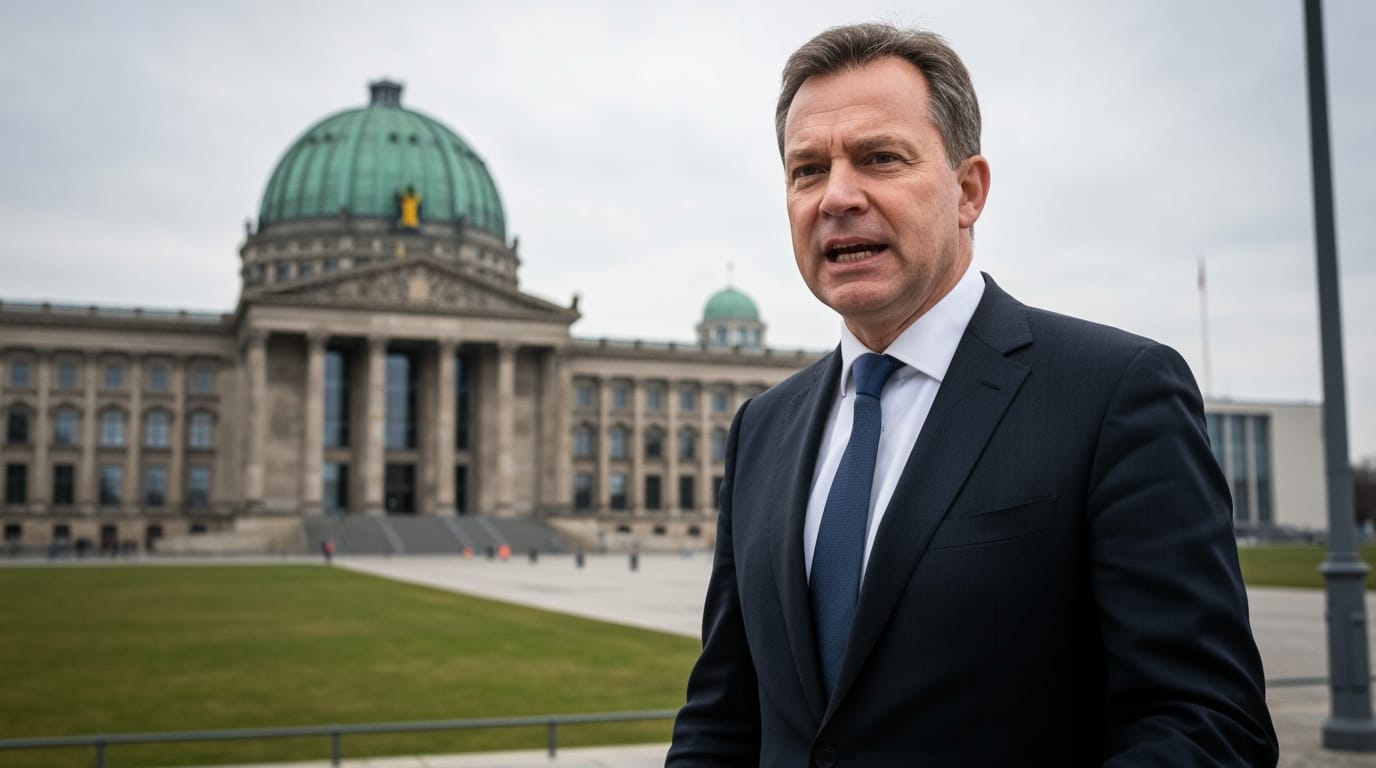
Munich, Germany – German Chancellor Friedrich Merz opened the 62nd Munich Security Conference (MSC) today with a stark assessment of the current geopolitical landscape and an urgent call for a revitalized "new trans-Atlantic partnership" between the United States and Europe. Addressing a gathering of global leaders, defense officials, and foreign ministers, Merz implored Washington and its European allies to "repair and revive trans-Atlantic trust together," acknowledging a significant and growing rift in relations. His address set a crucial tone for the high-stakes conference, which convenes amid a backdrop of escalating global tensions and profound shifts in the international order.
Merz's keynote speech underscored the necessity of a stronger, more balanced alliance, emphasizing that the era of a unipolar world and unchallenged American leadership has passed. He articulated a vision where neither the United States nor Europe can afford to "go it alone" in an increasingly complex and dangerous world characterized by great power rivalry. The German Chancellor's direct appeal to Washington, delivered partially in English, highlighted the critical juncture at which the historic alliance now stands, urging a fundamental reset to confront shared challenges effectively.
The Erosion of Trust: Acknowledging the Trans-Atlantic Rift
Chancellor Merz did not shy away from confronting what he termed the "uncomfortable truth" of a "deep divide" that has opened between Europe and the United States. He directly attributed much of this growing chasm to the "culture wars of US President Donald Trump's MAGA movement" and a year of strained relations marked by specific policy decisions and rhetoric emanating from Washington. Merz pointed to US Vice President JD Vance's 2025 speech at the same conference, where Vance accused Europe of stifling free speech and democratic rights, as a key moment in the erosion of confidence. Merz conceded that Vance had been "right in his description" of certain European shortcomings, yet his broader message was a plea for collaborative reconstruction rather than continued division.
Further exacerbating these tensions were actions such as the Trump administration's tariff threats linked to Greenland, which Merz implicitly referenced as contributing to the instability. Against this backdrop, Merz delivered a critical message to American policymakers: participation in NATO is not merely a European advantage, but a "competitive advantage" for the United States itself. This argument sought to reframe the alliance not as a burden on the U.S., but as an indispensable pillar of its own national security and global influence, especially in an era where "even the United States will not be powerful enough to go it alone."
Europe's Imperative for Enhanced Security Autonomy
While calling for renewed American engagement, Merz simultaneously stressed Europe's responsibility to enhance its own security capabilities and reduce its dependence on Washington. He affirmed that "We, the Europeans – we are doing our part," indicating a growing commitment to self-reliance. This push for greater strategic autonomy is manifesting in concrete discussions, including ongoing talks with French President Emmanuel Macron regarding the potential establishment of a joint European nuclear deterrent. Merz clarified that such initiatives are intended to bolster Europe's security within the NATO framework, rather than as an alternative to it.
The German Chancellor highlighted that European nations are now channeling record military spending into developing a "self-supporting European pillar" for the alliance. This strategic shift reflects a deep-seated understanding that the "Europe of yesterday," which relied on the "solitary leadership of the US," is irrevocably a thing of the past. Merz's vision for a revamped transatlantic relationship inherently involves a "more balanced burden of responsibility," recognizing that the global security architecture demands greater contributions from all partners. Germany, under Merz's leadership, is poised to strengthen the European Union and forge new global partnerships, aiming to assume a leadership role within Europe without harboring "hegemonic fantasies."
A World in Flux: Navigating Great Power Politics
The broader context for Merz's impassioned plea is a global order that, according to the German Chancellor, is "on the verge of being destroyed" and, in its original form, "no longer exists." He depicted a world that has "returned to history," characterized by "great power politics" that are "fast, harsh and often unpredictable." In this new reality, nations exploit "natural resources, technologies and supply chains" as strategic bargaining tools, creating an environment of heightened unpredictability and risk.
Merz explicitly cited Russia's ongoing war in Ukraine and China's increasing assertiveness as prime examples of this shifting paradigm. He warned that freedom is no longer guaranteed and that nations must be prepared for "change, for upheaval — and, yes, even for sacrifice." This frank assessment underscores the urgency of his call for renewed transatlantic cohesion, positing that a united front is the most effective bulwark against the destabilizing forces currently at play globally. The challenges to US leadership, he noted, mean Washington's global role is "no longer unchallenged, and perhaps it has even been gambled away" in some respects.
Charting a Course: Balancing Conciliation with Assertiveness
Merz's address was a carefully calibrated message, blending conciliatory overtures with clear assertions of European interests and responsibilities. While appealing for restored trust, he also issued a subtle warning against American overconfidence, suggesting that "great power politics" are not sustainable in the long term. The presence of US Secretary of State Marco Rubio at the MSC, leading a substantial American delegation, signifies a willingness on both sides to engage in critical dialogue. Rubio, who is expected to address the conference and outline U.S. perspectives, has indicated a less contentious approach than previous administrations, acknowledging the need to reexamine the geopolitical landscape. His initial comments about the deep cultural and personal links between the US and Europe offer a glimmer of hope for a more constructive dialogue.
The Chancellor's busy schedule at the conference, including planned meetings with Chinese Foreign Minister Wang Yi and Ukrainian President Volodymyr Zelensky, further illustrates Germany's commitment to navigating this complex multilateral environment. These engagements underscore Berlin's intent to position itself as a central interlocutor at the intersection of transatlantic relations, Chinese influence, and European security challenges.
Conclusion: A Critical Juncture for Transatlantic Solidarity
Friedrich Merz's powerful opening to the Munich Security Conference serves as a potent reminder that the transatlantic alliance, a cornerstone of global stability for decades, faces unprecedented pressures. His call for a "new trans-Atlantic partnership" is not merely a plea for a return to the past, but an urgent demand for a recalibration of responsibilities and a shared commitment to confronting a rapidly evolving world. By acknowledging the deep "rift" while simultaneously emphasizing the mutual advantages of the alliance, Merz has laid down a gauntlet for both sides: to proactively mend fractured trust and forge a more resilient, equitable partnership. The success of this endeavor will undoubtedly shape the future of global security and the international order in the challenging years ahead. The message from Munich is clear: the time for concerted action, shared sacrifice, and a renewed spirit of transatlantic solidarity is now.


