German Chancellor Says Israel Doing 'Dirty Work' in Iran, Sparks Controversy
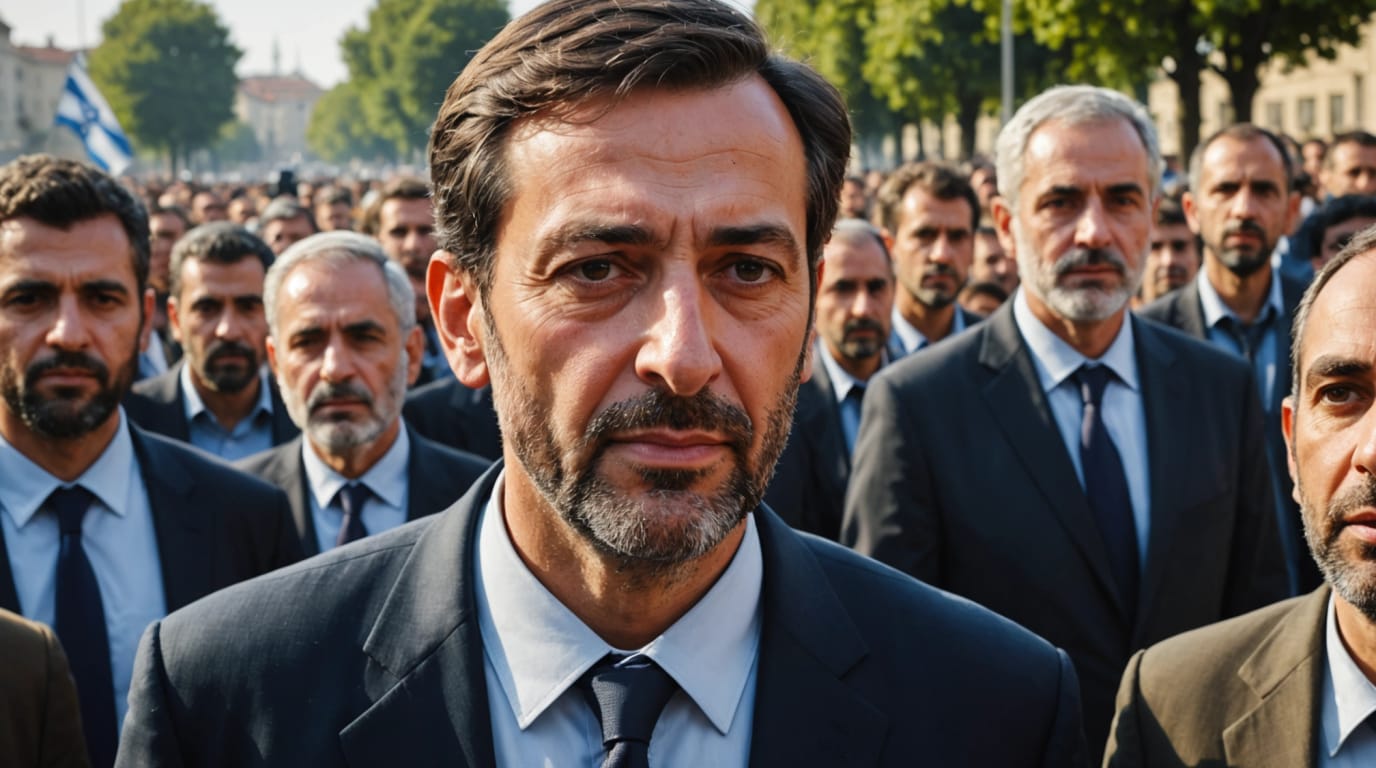
German Chancellor Friedrich Merz ignited a firestorm of debate Tuesday after stating that Israel is doing "dirty work for all of us" through its recent strikes on Iran. Speaking on the sidelines of the G7 summit in Canada, Merz's comments have been interpreted as both a frank assessment of the situation and a potentially damaging endorsement of military action. The remarks come amid heightened tensions in the Middle East following unprecedented attacks aimed at preventing Iran from acquiring nuclear weapons.
Merz's statements, made during an interview with German broadcaster ZDF, have drawn swift reactions from across the political spectrum. While some view them as an honest acknowledgment of the perceived threat posed by Iran's nuclear ambitions, others have condemned them as insensitive and inflammatory, potentially undermining diplomatic efforts to de-escalate the conflict. The chancellor's words have also raised questions about Germany's role in the ongoing crisis and its relationship with both Israel and Iran.
Chancellor's Rationale
In explaining his position, Merz emphasized the danger he believes the Iranian regime poses to the world. He stated that the "mullah regime has brought death and destruction to the world," citing its support for groups like Hezbollah and Hamas, as well as its alleged delivery of drones to Russia. He argued that these actions make Western nations "victims of this regime" as well. Merz expressed "the greatest respect for the courage" of the Israeli army, suggesting that without their actions, the world might have continued to endure Iranian-backed terrorism, potentially culminating in Iran acquiring nuclear weapons. He also told Welt TV that the attacks have weakened the leadership in Tehran and that it is unlikely to return to its former strength, making the future of the country uncertain.
Merz also addressed the issue of Iran's nuclear program, a long-standing concern for Western powers. He reiterated that if the Iranian regime had been willing to negotiate, military intervention would not have been necessary. However, failing negotiations, he suggested that the "complete destruction of Iran's nuclear weapons program" would have to be on the agenda. He also stated that with these attacks, Israel has "largely finished" with the Iranian nuclear program, and "in any case, it cannot continue as before." Western countries suspect Iran of pursuing nuclear weapons, a claim Tehran denies, insisting on its right to a civilian nuclear program.
Military Capabilities and Potential US Involvement
Merz also commented on the military capabilities of Israel and the potential for the United States to become more involved in the conflict. He stated that "Israel lacks the necessary weapons" to completely dismantle Iran's nuclear program, while "the Americans have them." He also said there "could be a development of this kind" regarding US involvement, although "it seems there is not yet a decision from the American government."
International Reactions and Diplomatic Efforts
The international community has responded to the situation with a mix of concern and caution. While some countries have expressed support for Israel's right to defend itself, others have urged restraint and a return to diplomatic negotiations. The European Union has reiterated its offer of diplomatic assistance, should talks resume. Merz stated that "If a new situation were to arise, Germany, France and the United Kingdom would again be prepared to provide diplomatic assistance, as they were until last Thursday."
Domestic Political Fallout
Within Germany, Merz's comments have sparked intense debate. Members of the opposition have criticized the chancellor for what they see as an overly supportive stance towards Israel and a lack of emphasis on diplomatic solutions. Some have accused him of endangering Germany's relationship with Iran and undermining efforts to de-escalate the conflict. Supporters of Merz, however, have defended his remarks as a necessary show of solidarity with a key ally and a realistic assessment of the threat posed by Iran.
Implications for the Future
The long-term implications of Merz's statements remain to be seen. His words could embolden Israel to continue its military actions against Iran, potentially leading to further escalation. Alternatively, they could serve as a wake-up call to the international community, prompting renewed efforts to find a diplomatic solution to the Iranian nuclear issue. Much will depend on how Iran responds to the attacks and whether it is willing to return to the negotiating table. The situation remains fluid and unpredictable, with the potential for significant consequences for the region and the world.


