German Companies Drive Surge in Refurbished Appliance Market Amid Sustainability Push
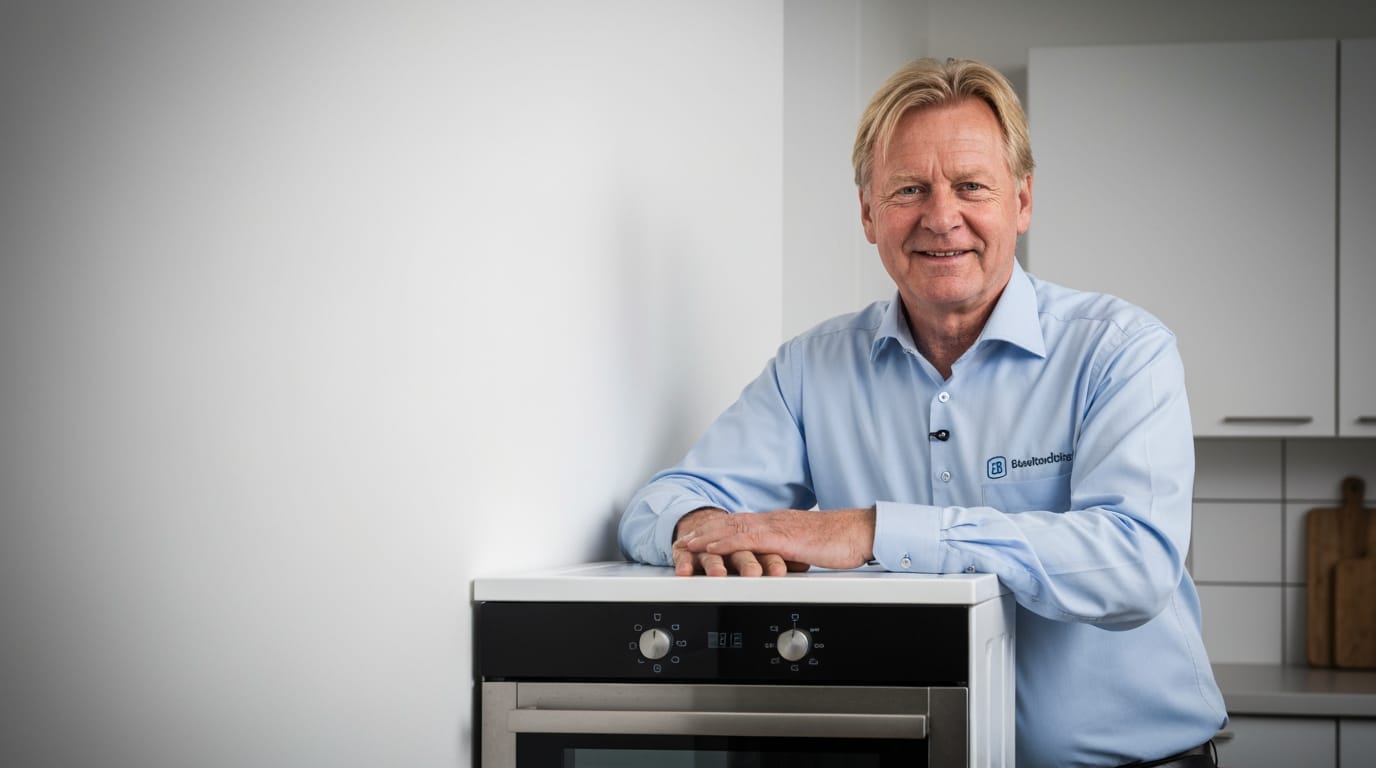
Berlin, Germany – German companies are leading a significant expansion in the refurbished appliance market, responding to growing consumer demand for affordable, sustainable alternatives to new products. This burgeoning sector, encompassing everything from smartphones to major household appliances like washing machines and refrigerators, is experiencing robust growth, fueled by environmental consciousness, cost-effectiveness, and supportive regulatory frameworks.
The market for refurbished electronics in Germany is projected to achieve a substantial valuation of USD 30.42 billion by 2035, exhibiting a compound annual growth rate (CAGR) of 13.1% from 2025 to 2035. This upward trajectory is part of a broader trend, with the overall German refurbished retail market expected to reach USD 13041.15 million by 2035, growing at a CAGR of 14.50% from 2026 to 2035. This rapid expansion signals a fundamental shift in consumer behavior and industry practices within one of Europe's leading economies.
A New Era of Conscious Consumption
A primary catalyst for this market boom is an elevated sense of environmental awareness among German consumers. Approximately 70% of German consumers now prioritize sustainability in their purchasing decisions, reflecting a broader societal commitment to reducing ecological footprints. Choosing refurbished appliances directly addresses several critical environmental concerns. It extends the lifespan of existing products, diverting electronic waste (e-waste) from landfills, which currently represents a significant global problem. Furthermore, refurbishment processes conserve the vast amounts of raw materials and energy required for new manufacturing, thereby reducing carbon emissions and the overall environmental impact associated with production.
Beyond environmental benefits, the economic advantages of refurbished appliances are a powerful draw for consumers. These products typically offer substantial savings, often ranging from 20% to 50% compared to their brand-new counterparts. This affordability appeals not only to budget-conscious individuals and families but also to businesses and educational institutions seeking cost-effective solutions without compromising on quality or functionality. In 2025, the refurbished electronics market in Germany is anticipated to grow by approximately 15%, driven significantly by this cost-effectiveness.
German Innovation and the Circular Economy
German companies are at the forefront of integrating refurbished appliances into mainstream commerce, with several key players and innovative business models emerging. One notable example is the Vienna-based marketplace, Refurbed, which has established Germany as its second-largest market. Refurbed specializes in professionally restored electronics, including a growing range of kitchen appliances such as coffee machines, food processors, and robot vacuums. The company recently achieved monthly profitability, signaling the viability of the circular economy model at scale. Refurbed emphasizes that each item undergoes extensive testing and a multi-step refurbishment process to ensure factory quality, boosting consumer confidence in these products.
Another significant development comes from BlueMovement, a brand under the BSH Home Appliance Group, which represents global giants like Bosch and Siemens – Europe's largest household appliance manufacturer. BlueMovement, in partnership with Fairown, has launched a unique product buyback solution in Germany. This innovative model, named Flexcare, allows consumers to access high-quality household appliances like refrigerators, dishwashers, washing machines, and dryers for an agreed usage cycle. Upon completion, consumers can choose to upgrade or continue using the product, while returned items are meticulously refurbished and then resold. This repetitive cycle not only supports sustainability by maximizing product lifetime but also ensures recurring revenue for merchants and continuous access to affordable appliances for consumers.
Platforms like reBuy.de, headquartered in Germany, further contribute to this ecosystem by offering meticulously inspected and repaired used electronics, often accompanied by extensive warranties, sometimes up to 36 months. Such guarantees are crucial in overcoming past consumer skepticism about the quality and reliability of second-hand goods.
Regulatory Tailwinds and Market Evolution
Government initiatives and European Union regulations play a pivotal role in fostering the growth of the refurbished appliance market. Directives such as the Waste Electrical and Electronic Equipment (WEEE) Directive encourage recycling and reuse, creating a favorable environment for businesses involved in refurbishment. Germany, in particular, is a leader in circular economy initiatives, which prioritize the reuse and recycling of resources. Anticipated new regulations in 2025 are expected to further incentivize companies to engage in refurbishment practices, increasing the availability of refurbished products and strengthening market infrastructure.
The expansion of e-commerce platforms has also been instrumental in making refurbished goods more accessible. Online marketplaces offer detailed product descriptions, warranty options, and flexible payment plans, enhancing the appeal and convenience for consumers. This digital shift has made it easier for a wider audience to explore and purchase refurbished items, further integrating them into mainstream shopping habits.
Despite the rapid growth, challenges remain, primarily concerning consumer perception. Some consumers still associate refurbished appliances with lower quality or reduced reliability, a stigma that persists despite significant advancements in refurbishment processes and the provision of warranties. Educational efforts and continued assurance through certifications and robust guarantees are vital to fully dispelling these concerns and unlocking the market's full potential.
The Future is Circular
The trajectory of the refurbished appliance market in Germany signals a lasting shift towards a more circular economy. As technological advancements enhance refurbishment techniques and policy support strengthens, the market is poised for continued robust growth. The increasing availability of high-quality, warrantied refurbished products, combined with rising consumer awareness of their environmental and economic benefits, suggests that refurbished appliances will become an increasingly integral part of the European consumer landscape. This not only offers a pragmatic solution for consumers seeking value and sustainability but also positions Germany as a key player in shaping a more resource-efficient and environmentally responsible future for the appliance industry.