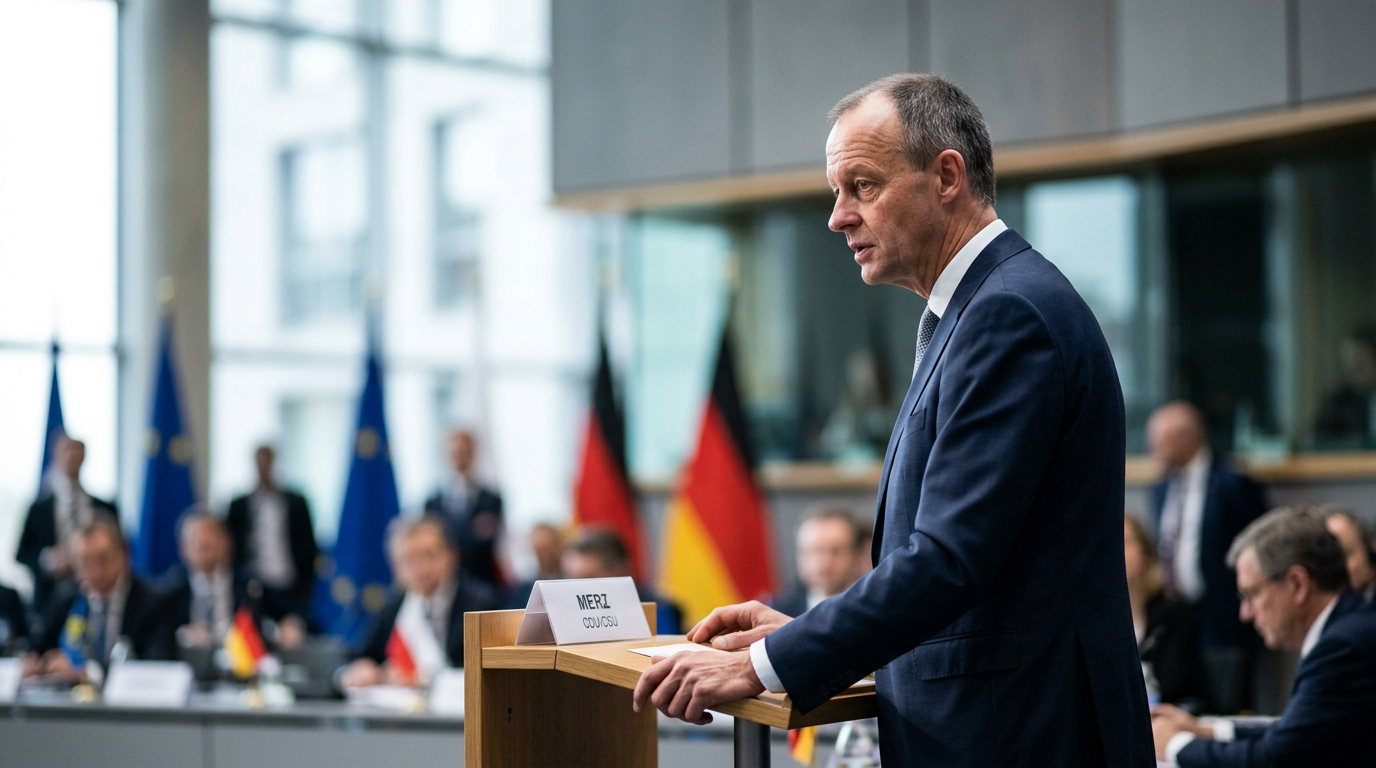
German Economy Sees Significant Boost from Resurgent Exports and Factory Activity

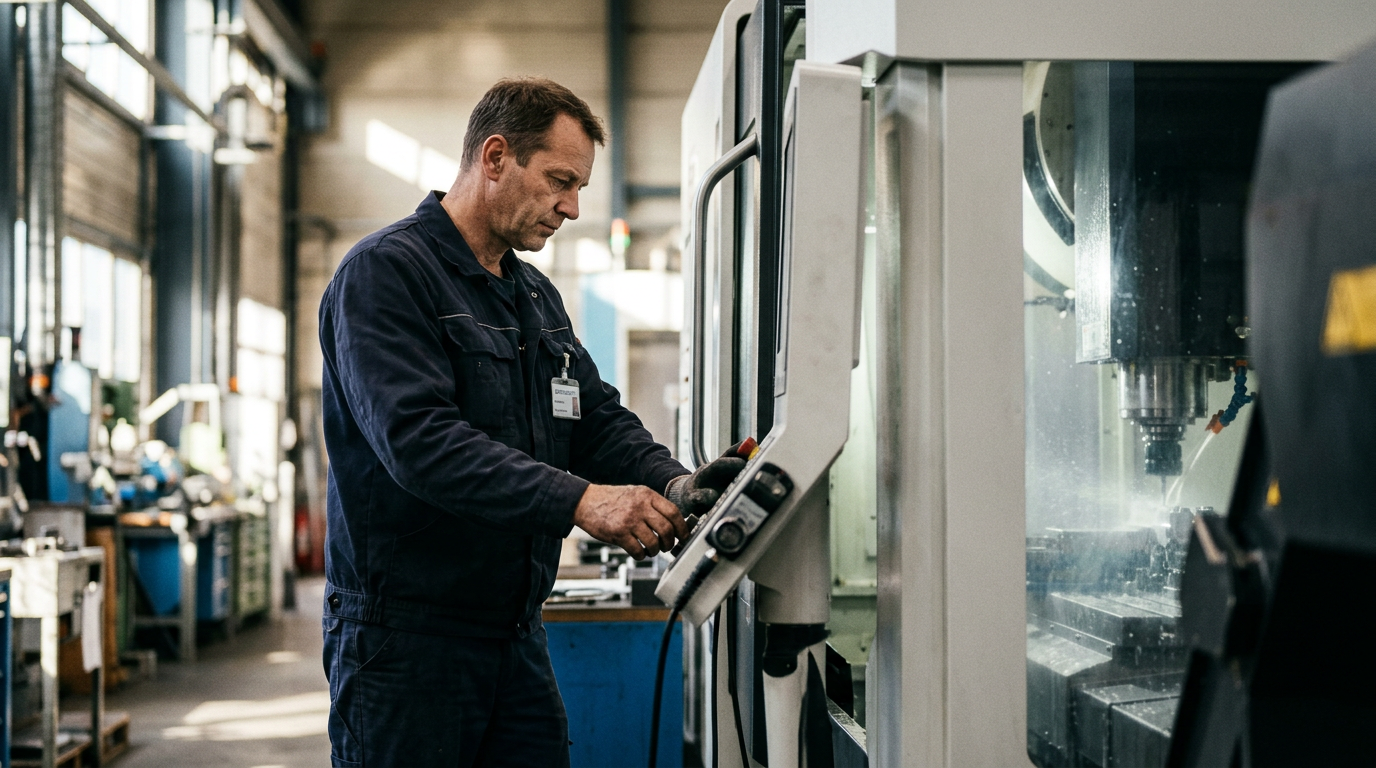
BERLIN – Germany, Europe's economic powerhouse, is experiencing a notable upswing in its financial fortunes, fueled by stronger-than-anticipated export figures and robust factory data. Recent reports indicate a surge in outbound shipments and a healthy increase in manufacturing orders, painting a more optimistic picture for the nation's economic trajectory in the second quarter of 2026 and beyond. This renewed momentum provides a welcome counterbalance to persistent global uncertainties, signaling a potential path toward sustained recovery.
Exports Defy Expectations with Strong Global Demand
German exports demonstrated an unexpected resilience in recent months, surpassing market forecasts and reaching a multi-year high. In June 2026, exports grew by 0.9% compared to the previous month, significantly outpacing analysts' predictions of a 0.2% increase. This positive trend followed a similar performance in May, when exports unexpectedly rose by 0.9% month-on-month, reaching an over 3½-year high of €137.9 billion. This May surge accelerated from April's revised 0.8% increase and comfortably beat market expectations for a 0.3% decline.
A breakdown of export destinations reveals a diversified demand landscape. Shipments to third countries, particularly the United States and China, were key drivers of this growth. In May, exports to third countries collectively climbed by 3.6%, bolstered by a substantial 23.1% surge in goods sent to the U.S., Germany's largest export market. Exports to China also saw healthy growth, rising by 7.1%. However, the picture was less uniform within the European Union, with shipments to member states falling by 1.1% in May. By June, exports to EU countries had rebounded, increasing by 1.3%, while non-EU exports saw a more modest rise of 0.3%. Notably, exports to the U.S. experienced a 14.2% month-on-month decline in June. Despite these fluctuations, the first five months of 2026 witnessed a 3.0% year-on-year increase in outbound shipments, totaling €676.2 billion, with the first half of the year showing a 3.7% increase in goods exported compared to the same period last year. This export growth is viewed by some as a "ray of hope" for the economy, even as the broader outlook for global trade remains challenging.
Manufacturing Sector Gathers Significant Momentum
Complementing the strong export data, Germany's manufacturing sector has shown robust activity. Factory orders in June 2026 saw a substantial month-on-month increase of 3.1%, far exceeding market estimates of a 0.3% rise. This significant jump was largely attributable to considerable increases in specific industrial segments, including machinery and equipment, which saw orders rise by 12.7%, and computer, electronic, and optical products, which experienced an impressive 22.7% increase. The automotive industry also made a positive contribution to new orders, registering a 3.8% increase.
A closer look at the data indicates that large-scale orders played a crucial role in this June surge; excluding these, new orders would have been 0.5% lower. Domestic orders also demonstrated strength, rising by 7.8%, while foreign orders were up by 0.2%. Within foreign orders, a divergence was observed: orders from the euro area decreased by 14.0%, but those from outside the euro area increased by 10.2%.
This positive trend in factory orders is mirrored by an increase in industrial production. German industrial production rose by 0.2% in June from the previous month, surpassing analysts' expectations of a 0.1% increase. This marks the third consecutive monthly increase in industrial output, confirming a positive performance for the second quarter. The automotive sector was a primary driver, with a 3.6% month-on-month rise in output, alongside an 8.4% jump in the production of other transport equipment, such as aircraft, ships, trains, and military vehicles. Despite ongoing challenges like higher energy prices and geopolitical tensions, the German industry has displayed modest but consistent recovery.
A Welcome Boost for Europe's Largest Economy
These converging positive indicators from both the export and manufacturing sectors signal that Germany's economy gained considerable momentum during the second quarter. The robust performance in key industrial areas and strong international demand for German goods are crucial for the overall health of Europe's largest economy. This upward trend suggests a stronger economic footing, potentially leading to improved GDP figures and a more stable employment landscape. Business surveys, including the manufacturing PMI and Ifo business climate index, showed improvement in July, further pointing to continued momentum in manufacturing for the third quarter.
Underlying Concerns Temper Long-Term Optimism
Despite the recent encouraging data, economists urge caution against mistaking this cyclical rebound for a fundamental structural improvement in the German economy. Several factors suggest that the sustainability of the current upturn may be precarious. Industrial production, even with recent gains, remains approximately 10% below pre-pandemic levels. Furthermore, the volatility inherent in factory order figures, heavily influenced by one-off large deals and geopolitical events, can be misleading.
Lingering structural issues also present headwinds. Recent Chinese trade data, for example, revealed a widening bilateral trade deficit with China in July, indicating deeper challenges within German industry. The short-term economic outlook remains highly sensitive to external factors, including fluctuating energy prices, the ongoing war in the Middle East, and even domestic climate events like heatwaves. While the German economy has proven more resilient than some initially feared, any expansion of geopolitical conflicts impacting trade routes could pose significant new risks to the economic rebound. The European Commission, in its May 2026 forecast, projected real GDP growth of 0.6% for 2026 and 0.9% for 2027, expressing concern that exports could broadly stagnate after three years of contraction, exacerbated by tariffs and geopolitical uncertainty. While the latest data offers a more positive near-term export picture, these long-term concerns persist.
Navigating Towards Sustainable Growth
The latest export and factory data provide a much-needed shot in the arm for the German economy, hinting at a stronger performance in the current year. The surge in manufacturing orders and robust international demand for German goods underscore the foundational strengths of its industrial base. However, this positive momentum is tempered by underlying structural challenges and the ever-present specter of global instability. While the current cyclical rebound offers a period of relief, policymakers and businesses must remain vigilant, focusing on long-term reforms and strategies to address inherent vulnerabilities and ensure Germany's sustained economic health amidst a volatile global landscape.
Related Articles

Ratko Mladić, "Butcher of Bosnia" and Convicted War Criminal, Dies at 84
THE HAGUE, Netherlands – Ratko Mladić, the former Bosnian Serb military commander known as the "Butcher of Bosnia" and convicted of genocide, war crimes, and crimes against humanity, has died at the age of 84. Serbian...


Long-Awaited 9/11 Mastermind Trial Set for 2028, Decades After Attacks
GUANTANAMO BAY, Cuba – Nearly a quarter-century after the devastating terror attacks of September 11, 2001, a military judge has finally set a trial date for Khalid Sheikh Mohammed, the alleged mastermind behind the...