German Export Landscape Shifts: US Decline Offset by European Resilience
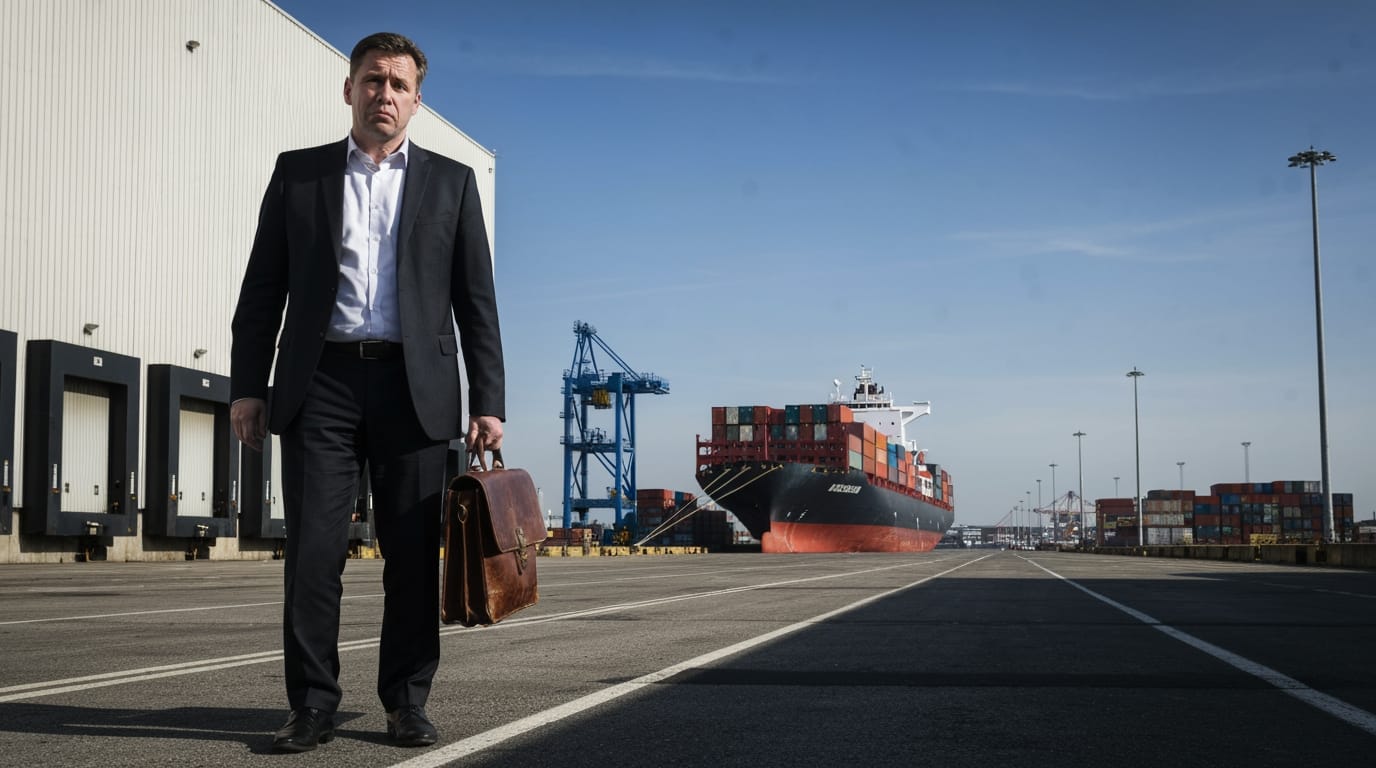
Berlin, Germany – Germany, Europe's economic powerhouse, is navigating a complex and shifting global trade environment. Recent data reveals a significant decline in exports to its long-standing key market, the United States, in 2025, largely attributed to evolving trade policies. However, the impact of this transatlantic downturn has been partially cushioned by robust demand from within Europe, particularly from its eastern neighbors, showcasing the resilience and strategic importance of the European internal market.
Transatlantic Trade Faces Mounting Headwinds
German exports to the United States experienced a notable decline throughout 2025, signaling a challenging period for the traditionally strong trade relationship. Official statistics from Destatis show that German goods exported to the US in the first 11 months of 2025 fell by 9.4% compared to the same period in 2024. Overall, German exports to the US saw a 7.8% year-over-year dip in the first three quarters of 2025, a stark contrast to the average growth of nearly 5% recorded between 2016 and 2024. The downward trend intensified towards the end of the year, with November 2025 seeing a 23.5% decrease in German exports to the US compared to November 2024, and December 2025 marking a 12.9% drop year-on-year.
The automotive sector, a cornerstone of German industry, bore the brunt of this decline. Exports of cars and auto parts plummeted by 17.5% in the first 11 months of 2025 and nearly 14% in the first three quarters, underscoring its vulnerability to trade policy shifts. Machinery exports to the US also registered a 9% decline in the first 11 months of 2025, with chemical product exports falling by over 10% between February and October of the same year.
A primary driver behind this sharp reduction has been the imposition of new US tariffs. An agreement between Washington and Brussels led to a 15% baseline tariff on European-made cars from August 1, 2025, significantly increasing trade costs for exporters. Additionally, a 50% tariff on steel and aluminum products impacted German engineering firms. Beyond tariffs, dollar depreciation and wavering confidence in US stability have also been cited as contributing factors to the diminished trade flow. While the US remained Germany's largest single export market in 2024 with €161.4 billion, and its most important trading partner by total turnover that year, by the close of 2025, China had surpassed the United States in terms of overall trade volume with Germany, reflecting the significant shift in global demand.
Europe's Internal Market Provides a Critical Counterbalance
Amidst the transatlantic challenges, Germany's trade within Europe demonstrated notable resilience, playing a crucial role in mitigating a more severe overall export downturn. Throughout the first five months of 2024, Europe consistently remained Germany's top export destination, absorbing approximately $100 billion in goods each month. This intra-European trade continued to provide stability, with exports to EU countries rising by 3.1% in December 2025 compared to the previous month.
A significant highlight of this European boost came from Central and Eastern European nations. In 2024, German exports to Poland, for instance, surged by 3.5%, reaching €94 billion. This marked a historic moment as Germany exported more goods to Poland than to China for the first time since 2008. The increased demand from countries like Poland for German-made cars, driven by trends such as the growing popularity of company car benefits, helped partially offset declines in other foreign markets. This growing interconnectedness within the European bloc underscores its importance as a stable and expanding market for German manufacturers.
Broader Economic Implications and Sectoral Adaptations
Despite the mitigating effect of European demand, the German economy has faced broader challenges. The nation experienced consecutive years of economic contraction, with a 0.3% decline in 2023 and a further 0.2% contraction in 2024. The fourth quarter of 2024 saw a surprisingly significant fall in German economic output, primarily driven by overall declining exports and weaker industrial production, particularly in the automotive industry.
The shift in export dynamics is prompting German industries to adapt. While traditional heavyweights like automotive, machinery, and chemicals remain crucial export categories, their reliance on specific markets is being re-evaluated. The robust performance within the EU, especially the growth in Central and Eastern European markets, highlights the strategic advantage of geographical diversification. German companies are increasingly looking to strengthen these regional ties to offset volatility in more distant markets.
The Path Forward: Navigating Global Trade Dynamics
The trajectory of German exports in the coming years will largely depend on the evolving global geopolitical and economic landscape. Continued uncertainty surrounding US trade policies, particularly with the possibility of further tariff escalations, remains a significant concern for German exporters. The German Economic Institute indicated in January 2026 that the sharp decline in German exports to the US in 2025 cannot be solely attributed to tariffs, also citing the dollar's depreciation and declining confidence in US stability as factors.
For Germany, a nation heavily reliant on its export sector, the dual reality of contracting growth in major markets alongside steady demand in others underscores the imperative for strategic agility. The focus on strengthening trade relationships within the European Union, while simultaneously navigating protectionist tendencies from other key partners, will be critical for maintaining Germany's global economic standing and ensuring sustained growth in a volatile international trade environment.
In 2025, Germany's total exports saw a modest increase of 1.0% to €1.57 trillion, up from 2024, demonstrating overall resilience despite the specific challenges with the US market. This underscores Germany's adaptive capacity to redirect trade flows and leverage its strong domestic and regional markets to absorb external shocks.
Conclusion
The German export narrative of 2025 is one of contrasting fortunes. While exports to the United States experienced a significant downturn due to tariffs and other factors, robust demand from European partners provided a crucial buffer. This internal European strength, particularly from burgeoning economies in Central and Eastern Europe, has been instrumental in stabilizing Germany’s overall trade balance. As the global economic landscape continues to evolve, Germany's ability to diversify its markets and leverage strong regional ties will remain paramount in safeguarding its position as a leading global exporter and ensuring its economic stability.