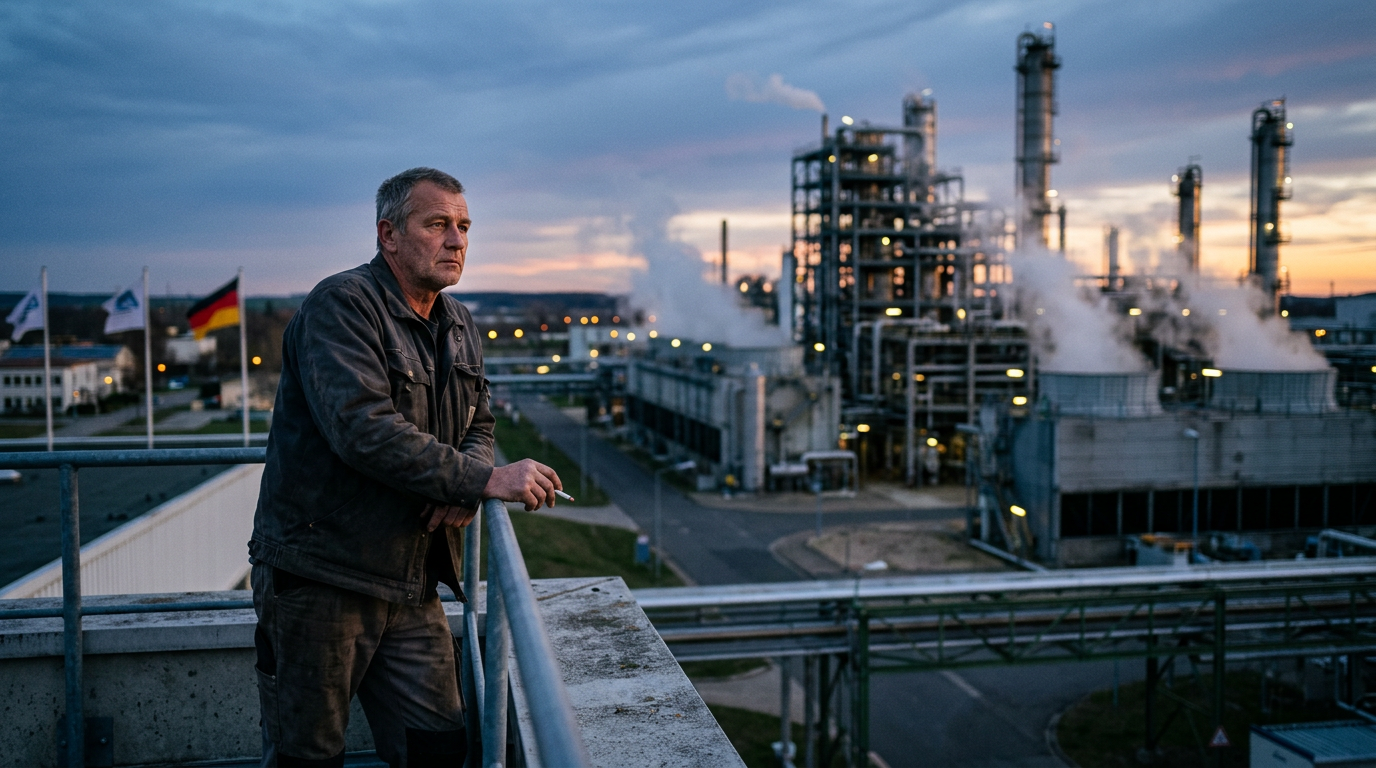
German Firms Eye Bangladesh as Trade Winds Shift
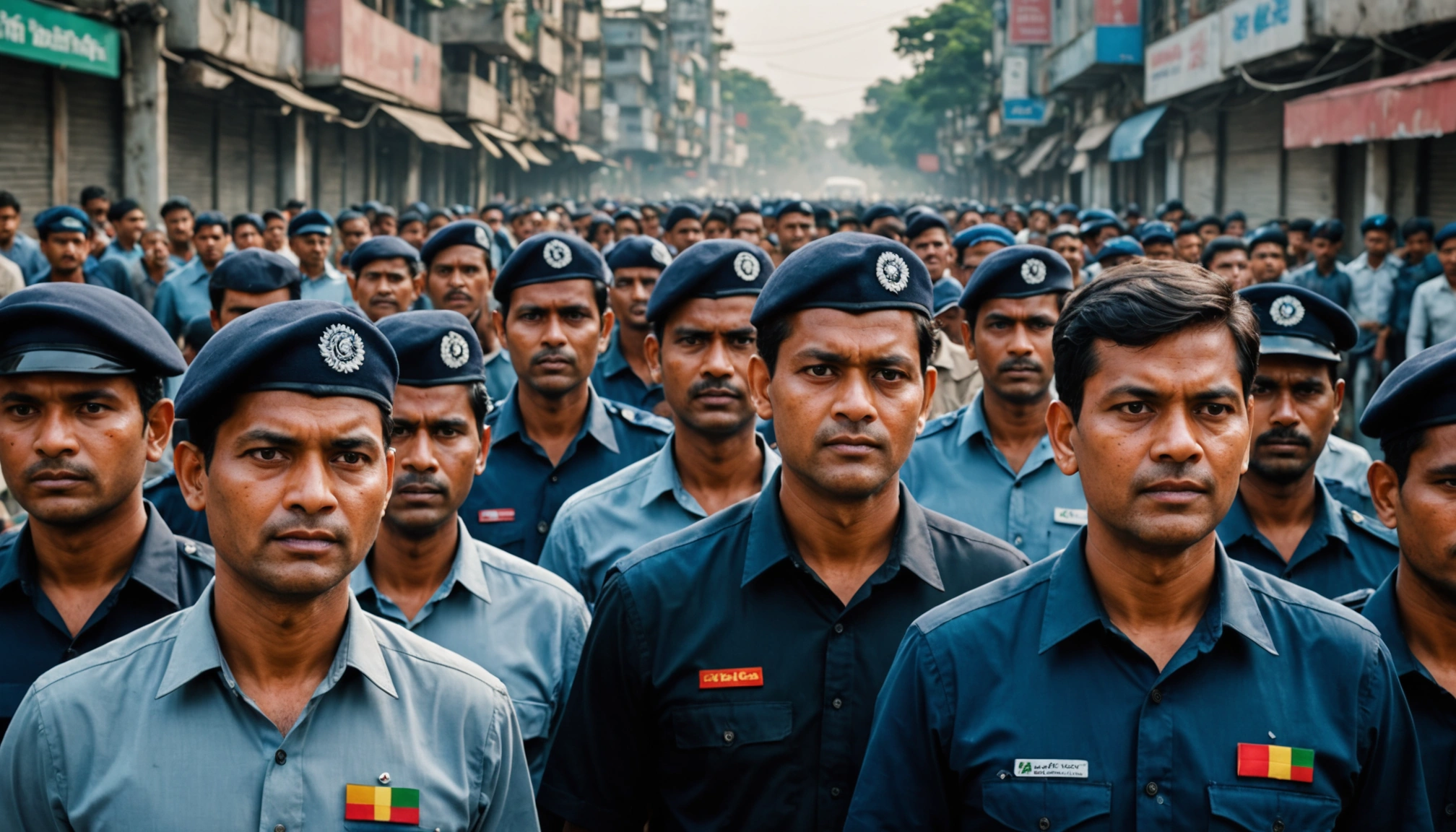
Bangladesh, a rising manufacturing hub in South Asia, is attracting increased interest from German companies amidst a volatile global trade landscape. Heightened trade tensions between the United States and China, coupled with recent tariff impositions, are prompting German firms to explore alternative investment destinations, with Bangladesh emerging as a promising option. This shift underscores Bangladesh's growing economic potential and its strategic importance in the evolving global supply chain.
Bangladesh: An Emerging Manufacturing Powerhouse
Bangladesh has steadily transformed into a significant manufacturing center, particularly in the ready-made garment (RMG) sector, which accounts for approximately 80% of the country's total export earnings. The country's competitive labor costs, strategic location between India and China, and duty-free access to major markets like the European Union, Canada, and Japan have made it an attractive destination for foreign investment. However, recent developments in global trade policies are further amplifying Bangladesh's appeal.
The manufacturing sector in Bangladesh has experienced uneven growth. While the number of manufacturing units nearly doubled between 2003 and 2013, growth slowed significantly in the following decade. According to the Economic Census 2024, manufacturing accounts for only 8.77% of economic units, compared to 11.54% in 2013. This shift towards a service-based economy, unlike the industrialization paths of countries like Japan and Germany, raises concerns about long-term economic resilience.
The Impact of US-China Trade Tensions
The ongoing trade war between the US and China, characterized by escalating tariffs and retaliatory measures, has created uncertainty and disruptions in global supply chains. In early April 2025, the US imposed steep tariff hikes on several countries, including Bangladesh, as part of President Trump's "Reciprocal Tariffs" policy. These tariffs, which initially soared to 37% on Bangladeshi goods, threatened to cripple the country's export-dependent economy.
Although the US subsequently announced a 90-day suspension of tariffs on countries except for China, the initial shockwaves prompted Bangladesh to seek ways to mitigate the impact of potential trade barriers. The interim government, led by Nobel laureate Muhammad Yunus, has been actively pursuing strategies to diversify export markets and strengthen trade relations with other partners.
Germany, a major player in the European Union, has expressed concerns about the escalating trade war and called for a negotiated solution. As a strong advocate for free trade and multilateralism, Germany recognizes the potential damage that trade tensions can inflict on the global economy.
German Interest in Bangladesh
Amidst this backdrop, German companies are increasingly considering Bangladesh as an investment destination. A delegation of German business stakeholders recently concluded a five-day visit to Bangladesh, participating in the Bangladesh Investment Summit 2025 and engaging with government officials and industry leaders. The delegation, which included representatives from the German Federal Government, business associations, and leading enterprises, explored various investment opportunities beyond the traditional textile sector.
Almut Roessner, Executive Board Member of OAV-German Asia-Pacific Business Delegation, noted that participants were impressed by the diverse business opportunities in manufacturing sectors beyond textiles. She highlighted the potential for partnerships between Bangladeshi firms seeking to expand production and German suppliers of specialized machinery and automation technology.
Germany recognizes Bangladesh as a strategic partner in trade, investment, and sustainable development. With total bilateral trade valued at US $9.81 billion in 2024, Germany is Bangladesh's largest trading partner in Europe and the second largest globally. Bangladesh's exports to Germany amounted to $5.95 billion in fiscal year 2020-21, with Germany contributing 15% of the country's total export earnings for the year.
Opportunities and Challenges
Several factors contribute to Bangladesh's attractiveness as an investment destination for German firms:
- Competitive Labor Costs: Bangladesh offers highly competitive wages, making it an attractive location for labor-intensive industries.
- Strategic Location: Situated between India and China, Bangladesh provides easy access to two of the world's largest and fastest-growing economies.
- Government Support: The interim government is committed to attracting foreign investment and has expressed a strong commitment to implementing reforms aimed at improving the business environment.
- Growing Economy: Bangladesh has maintained robust economic growth in recent years, with GDP growth projected at around 7% in the coming years.
However, Bangladesh also faces several challenges that could hinder investment:
- Infrastructure Deficiencies: Inadequate transportation infrastructure, including roads, ports, and railways, can create logistical bottlenecks and increase costs.
- Bureaucratic Red Tape: Complex and time-consuming bureaucratic procedures can deter foreign investors.
- Labor Issues: Rising wages and skills gaps in the workforce pose challenges to maintaining cost competitiveness.
- Dependence on Imports: The manufacturing sector relies heavily on imported raw materials, making it vulnerable to supply chain disruptions.
Addressing the Challenges
To fully capitalize on the opportunities presented by German investment, Bangladesh needs to address these challenges. Streamlining bureaucratic processes, improving infrastructure, investing in skills development, and diversifying the manufacturing base are crucial steps.
The German Business Council (GBC) in Bangladesh plays a vital role in encouraging German investment and trade. The GBC provides a platform for business networking and supports German companies in navigating the local business environment. Similarly, DEG (German Development Finance Institution) has opened a "German Desk" in Dhaka to offer financial support and solutions to German SMEs investing in Bangladesh.
Conclusion
As global trade patterns shift, Bangladesh is emerging as a promising destination for German firms seeking to diversify their investments and tap into new markets. While challenges remain, the country's strategic location, competitive labor costs, and growing economy make it an attractive option. By addressing infrastructure deficiencies, streamlining bureaucratic processes, and fostering a conducive business environment, Bangladesh can further strengthen its position as a manufacturing hub and attract even greater levels of German investment. The evolving relationship between Germany and Bangladesh signifies a deepening partnership that promises mutual benefits and contributes to sustainable economic growth.
Related Articles


Mounting Frustration Grips Russia as Economic Hardship and War's Toll Deepen
Moscow, Russia – A palpable shift in public sentiment is emerging across Russia, with growing frustration among citizens fueled by a confluence of economic pressures, increasing internet restrictions, and the undeniable...

Germany's Strategic Calculus: Ukraine Aid is an Investment in European Security, Not Charity
Berlin – The ongoing provision of substantial aid to Ukraine by Germany and its allies is increasingly being framed not as an act of altruism, but as a crucial investment in European security and stability. This...