German Greens Face Acid Test Over Contentious EU-Mercosur Trade Deal
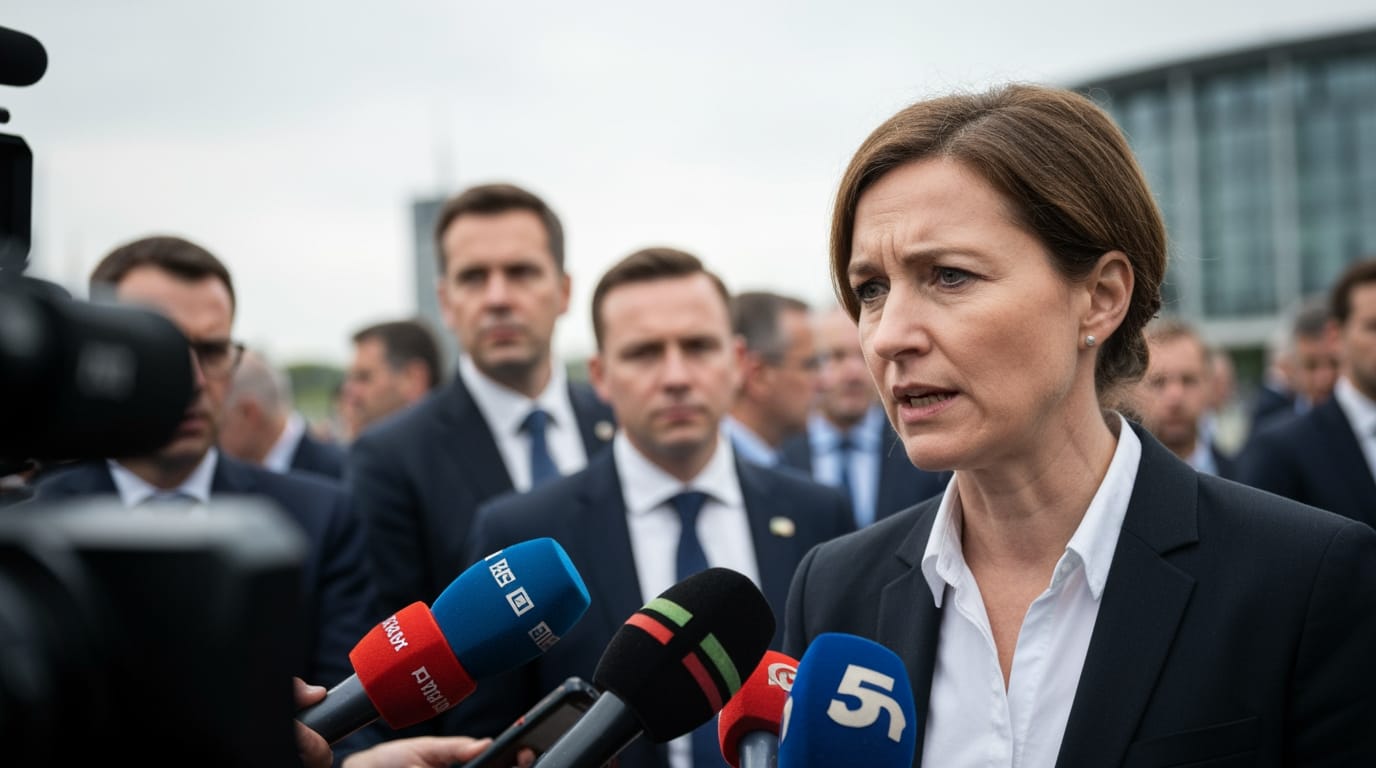
Berlin, Germany – Germany's Green Party finds itself at a critical juncture, navigating a complex web of environmental commitments, economic imperatives, and geopolitical considerations as the European Union's long-negotiated trade agreement with the Mercosur bloc draws closer to a definitive vote. The proposed deal, which aims to forge closer economic ties with Argentina, Brazil, Paraguay, and Uruguay, has ignited fierce debate within the party, highlighting a deep internal struggle between its foundational ecological principles and the pragmatic realities of international trade policy. The Greens' ultimate stance on the agreement holds significant implications not only for the party's cohesion but also for Germany's economic future and the European Union's climate ambitions.
A Clash of Ideals: Green Principles Versus Economic Opportunity
The Mercosur trade deal, first agreed upon in principle in 2019 after two decades of negotiations, promises to eliminate tariffs on over 90% of trade between the two blocs, opening up substantial markets for European industrial goods, particularly from Germany. Proponents of the deal, including the German government and industry leaders, champion its potential to boost exports, stimulate economic growth, and safeguard jobs. Germany, a strong supporter of the agreement, anticipates significant benefits for its machinery, transport equipment, chemical, and pharmaceutical sectors, currently facing tariffs as high as 35% in Mercosur countries. German officials point to figures suggesting that over 6.7 million German jobs are supported by exports, with 244,000 jobs directly tied to EU exports to Mercosur nations. Furthermore, the deal is expected to ease market access for small and medium-sized German enterprises by reducing costs and administrative hurdles.
However, for the Green Party, these economic incentives are overshadowed by profound environmental and social concerns. European Greens have consistently voiced "serious concerns" regarding the agreement's potential impact on deforestation, labor rights, and overall environmental protections. They contend that the deal, in its current form, risks exacerbating environmental and social damage, directly clashing with the EU's climate commitments and the ambitious goals of the European Green Deal. Critics argue the agreement would increase imports of beef, soy, and bioethanol from Mercosur countries, agricultural products identified as key drivers of deforestation in the Amazon rainforest. Scientific assessments indicate that increased conventional meat production and soy cultivation in the Mercosur region contribute significantly to the destruction of the Amazon, one of the world's largest carbon sinks, which has seen its carbon absorption capacity fall by approximately one-third in the last decade. Moreover, concerns persist about the potential influx of products grown with pesticides banned in the EU and the negative impact of intensified car use, which amplifies climate change.
Mercosur: A Deep Dive into a Divisive Agreement
The EU-Mercosur Partnership Agreement aims to foster deeper trade and investment ties between the European Union and the South American trade bloc comprising Brazil, Argentina, Paraguay, and Uruguay. The deal, which has been under negotiation for over two decades, seeks to create one of the world's largest free trade areas. In 2018, the EU was already Mercosur's largest trading and investment partner, with Mercosur exports to the EU valued at €42.6 billion and EU exports to Mercosur at €45 billion. The primary aim for Mercosur countries is to boost sales of farm commodities, while the EU seeks greater access for its manufactured goods, including cars, and expanded opportunities for its service industries.
Despite the potential economic gains, the agreement faces substantial opposition beyond environmental groups. European farmers, particularly in countries like France, Poland, and Belgium, fear increased competition from cheaper agricultural imports from Mercosur, leading to protests and calls for greater protection. Critics also highlight the opacity of the negotiations, which spanned 25 years largely "behind closed doors," raising questions about public participation and transparency. Furthermore, concerns have been raised that the agreement could compromise the EU's Anti-Deforestation Law, a crucial mechanism designed to ensure that commodity production does not come at the expense of vital ecosystems. The agreement's critics argue it primarily facilitates the exchange of cheap meat and soy from South America for EU pesticides and cars, a trade pattern with inherent environmental risks.
Pressures Mount from Diverse Quarters
The Green Party's internal debate is amplified by significant external pressures. The German government and major industrial associations have consistently advocated for the Mercosur deal, viewing it as a cornerstone of Germany's export-driven economy and a strategic move in an increasingly protectionist global trade landscape. They emphasize the need for new, reliable partnerships to counter geopolitical instability and growing economic tensions. For them, delaying or rejecting the agreement would be a missed opportunity for German businesses, particularly small and medium-sized enterprises that stand to benefit from reduced tariffs and simplified customs procedures.
Within the broader European context, member states remain divided. While Germany, Spain, and Nordic countries have largely supported the deal, major players like France, Italy, Hungary, and Poland have expressed strong opposition. French President Emmanuel Macron, for instance, has openly opposed the agreement, citing environmental concerns. This fragmentation within the EU means that the German Greens' decision carries weight beyond national politics, influencing the bloc's overall stance on global trade.
Adding another layer of complexity, a recent vote in the European Parliament to refer the Mercosur deal to the European Court of Justice (ECJ) showcased the internal divisions even within the Green parliamentary group. Eight German Green MEPs voted for the delay, two against, and one abstained. This move, which effectively postpones full ratification, drew criticism from some within the party who fear it undermines the EU's geopolitical standing and opens the door for greater influence from other global powers, particularly China, in the Mercosur region. The vote revealed an unusual alignment, with Greens and the Left joining politically disparate groups like the AfD to form a majority against the Conservatives, Social Democrats, and Liberals on this procedural motion.
The Stakes: A Defining Moment for German and EU Policy
The ongoing deliberation over the Mercosur agreement represents a significant test for the German Green Party, forcing it to reconcile its core environmental protection mandate with the broader economic and geopolitical realities facing Germany and the EU. The party's decision will be closely watched as a bellwether for how Europe intends to balance its ambitious climate goals with its strategic trade interests in a multipolar world.
Should the Greens ultimately support the deal, even with additional safeguards, they risk alienating a significant portion of their environmentalist base and undermining their credibility as champions of climate action. Conversely, a rejection of the agreement could isolate Germany within the EU on a key trade policy and potentially hamper the economic recovery of its industrial sectors. The decision also has implications for the EU's approach to future trade agreements. The Greens' selective support for other trade deals, such as the recent agreement with India, suggests a nuanced approach that prioritizes deals aligning with higher environmental and social standards.
The path forward for the EU-Mercosur agreement is now uncertain, particularly following the European Parliament's decision to refer it to the ECJ. This referral effectively puts ratification on hold, potentially for months or even longer, underscoring the deep divisions and the high stakes involved. For the German Greens, the vote on Mercosur is more than a simple legislative act; it is a defining moment that will shape their political identity and influence their role in Germany's governing coalition and the future direction of European trade policy.


