German Health Minister Rejects Robert F. Kennedy Jr.'s "Political Persecution" Claims, Urges Focus on U.S. Healthcare Shortcomings
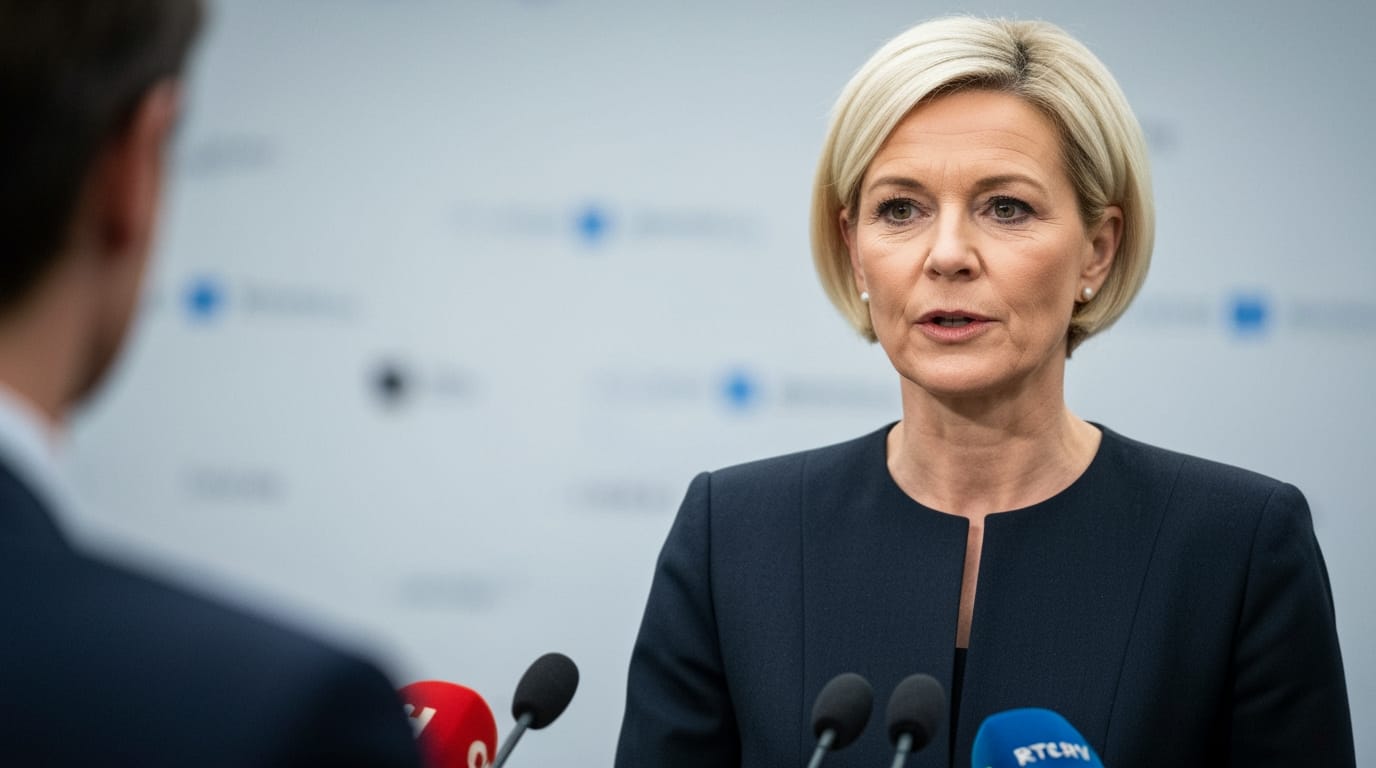
BERLIN – Germany's Federal Minister of Health, Karl Lauterbach, has issued a sharp rebuke to Robert F. Kennedy Jr., dismissing accusations that Germany is politically persecuting doctors and patients over COVID-19 mask and vaccination exemptions. The exchange highlights a growing international friction over pandemic policies and the persistent challenge of health-related misinformation, with Lauterbach urging Kennedy to address critical issues within the American healthcare system instead of criticizing Germany's judicial processes.
The controversy erupted following a public statement and a letter from Robert F. Kennedy Jr., who currently serves as the US Secretary of Health and Human Services under Donald Trump, alleging that "more than 1000 German doctors and thousands of their patients" are facing legal action and punishment for providing or receiving exemptions from COVID-19 measures. Kennedy, a prominent critic of pandemic policies and vaccines, accused the German government of disregarding patient autonomy and engaging in "politically motivated persecution." He disseminated these claims via a video on the platform X (formerly Twitter), asserting that reports from Germany indicate a government sidelining patient autonomy and restricting individuals' ability to act on their own convictions in medical decisions. The letter was reportedly addressed to Nina Warken, a Christian Democratic Union (CDU) member of the Bundestag, rather than the current Health Minister.
Kennedy's Allegations of German Overreach
Robert F. Kennedy Jr.'s recent foray into German domestic affairs centers on what he portrays as an authoritarian crackdown on medical professionals and citizens. His allegations specifically target the prosecution of individuals who issued or utilized exemptions for mask mandates and COVID-19 vaccinations during the pandemic. Kennedy's public statements suggest that these legal proceedings represent a severe infringement on patient autonomy and a politically driven effort to punish dissent against established health protocols. He asserted that the German government's actions demonstrate a disregard for individual medical decisions. His video on X further amplified these claims, painting a picture of systemic persecution. This criticism aligns with Kennedy's broader skepticism regarding public health responses to COVID-19, which often emphasize individual liberties over collective health mandates.
Lauterbach's Defiance and Counter-Criticism
In a swift and unequivocal response, German Health Minister Karl Lauterbach vehemently rejected Kennedy's narrative, characterizing his claims as attempts to undermine trust in evidence-based medicine and discredit Germany's pandemic management. Lauterbach clarified that the legal actions in Germany are not political persecutions but rather pertain to "targeted forgeries of health certificates and official documents," often committed for financial gain. He underscored that these are criminal acts under German law and are adjudicated by independent courts, not through political directives.
Lauterbach went further, redirecting criticism back to Kennedy by highlighting significant deficiencies within the US healthcare system. "Kennedy should deal with the problems in his own health system; the system doesn't work at the front or the back," Lauterbach stated, pointing to "extremely high costs," lower life expectancy, and tens of thousands of drug-related deaths and murders in the United States. He noted that, to date, no constructive contributions from Kennedy have been observed in addressing these profound domestic issues. Lauterbach's remarks suggested that Kennedy's public intervention was an effort to "drive a wedge into society," undermine confidence in medical science, and discredit Germany's "overall successful, constitutionally controlled pandemic policy," which resulted in a significantly lower per capita COVID-19 death toll compared to the US.
Robert F. Kennedy Jr.'s History of COVID-19 Misinformation
The current controversy is not an isolated incident but rather fits into a long-standing pattern of Robert F. Kennedy Jr.'s public discourse surrounding public health, vaccines, and the COVID-19 pandemic. For years, Kennedy has been a vocal proponent of claims that diverge sharply from scientific and medical consensus. His organization, Children's Health Defense, has published numerous stories that include misleading assertions about COVID-19, contributing to a broader "misinformation pandemic" that public health officials, including Lauterbach, have lamented.
Kennedy has made several contentious statements throughout the pandemic, including falsely labeling the COVID-19 vaccine as "the deadliest vaccine ever made" and suggesting, during a "Querdenker" (lateral thinking) demonstration in Berlin in August 2020, that Bill Gates had orchestrated the pandemic. He has also questioned the science behind mask effectiveness, natural immunity, and vaccine efficacy against transmission, claiming that governments "lied about everything." These assertions have positioned him as a leading figure among what researchers identified as the "Disinformation Dozen," a group responsible for a significant portion of COVID-19 misinformation online. Social media platforms have, at times, removed accounts associated with Kennedy or his organization for repeatedly violating their COVID-19 misinformation policies. His stance on vaccines dates back to at least the mid-2000s, predating the COVID-19 crisis, with the pandemic providing him a larger platform to amplify his views.
Germany's Commitment to Evidence-Based Public Health
Germany's firm stance against Kennedy's claims reflects a broader national commitment to evidence-based public health policies and a robust approach to countering health-related misinformation. Federal Minister Lauterbach has previously expressed concerns about a "misinformation pandemic" that continuously challenges public health officials and complicates effective health responses. This "infodemic," as termed by the World Health Organization, involves the rapid and widespread dissemination of false or misleading information that poses significant risks to global health.
Throughout the COVID-19 pandemic, the German government, through various federal ministries and agencies like the Robert Koch Institute, actively worked to provide accurate information and debunk myths surrounding the virus and vaccines. Efforts included fact-checking initiatives and providing clear guidelines, underscoring the importance of trust in scientific institutions. The legal prosecutions highlighted by Kennedy are viewed by German authorities not as an attack on freedom but as a necessary measure to uphold the integrity of public health documentation and prevent fraud that could endanger public health. The German government has faced its own challenges with disinformation, including false claims suggesting it admitted the pandemic was fabricated, which have been fact-checked and debunked. Germany's relatively successful handling of the pandemic, evidenced by lower per capita death rates compared to many other nations, is often attributed to its adherence to scientific guidance and public health measures.
Conclusion: A Broader Battle Against Misinformation
The sharp exchange between Germany's Health Minister Karl Lauterbach and Robert F. Kennedy Jr. is more than a diplomatic spat; it encapsulates the ongoing global struggle between public health authorities striving to manage crises based on scientific evidence and a powerful wave of misinformation that erodes public trust. Lauterbach's resolute defense of Germany's pandemic policies and legal system, coupled with his pointed critique of the American healthcare landscape, underscores the deep ideological divide on how societies should respond to health emergencies.
This incident highlights the vital role of public health officials in confronting and debunking false narratives, particularly when they emanate from influential public figures. Germany's commitment to maintaining the integrity of its healthcare system and upholding the rule of law in the face of widespread disinformation remains a cornerstone of its public health strategy, aiming to ensure that public safety and well-being are prioritized based on factual information and scientific consensus.


