Germany Approves $3.25 Billion in Military Aid for Ukraine
BERLIN – Germany has approved an additional €3 billion ($3.25 billion) in military aid for Ukraine, signaling a major commitment to bolstering Kyiv's defense capabilities against Russian aggression. The decision, finalized Friday, comes after months of political maneuvering and marks a significant shift in Germany's defense policy under its incoming leadership.
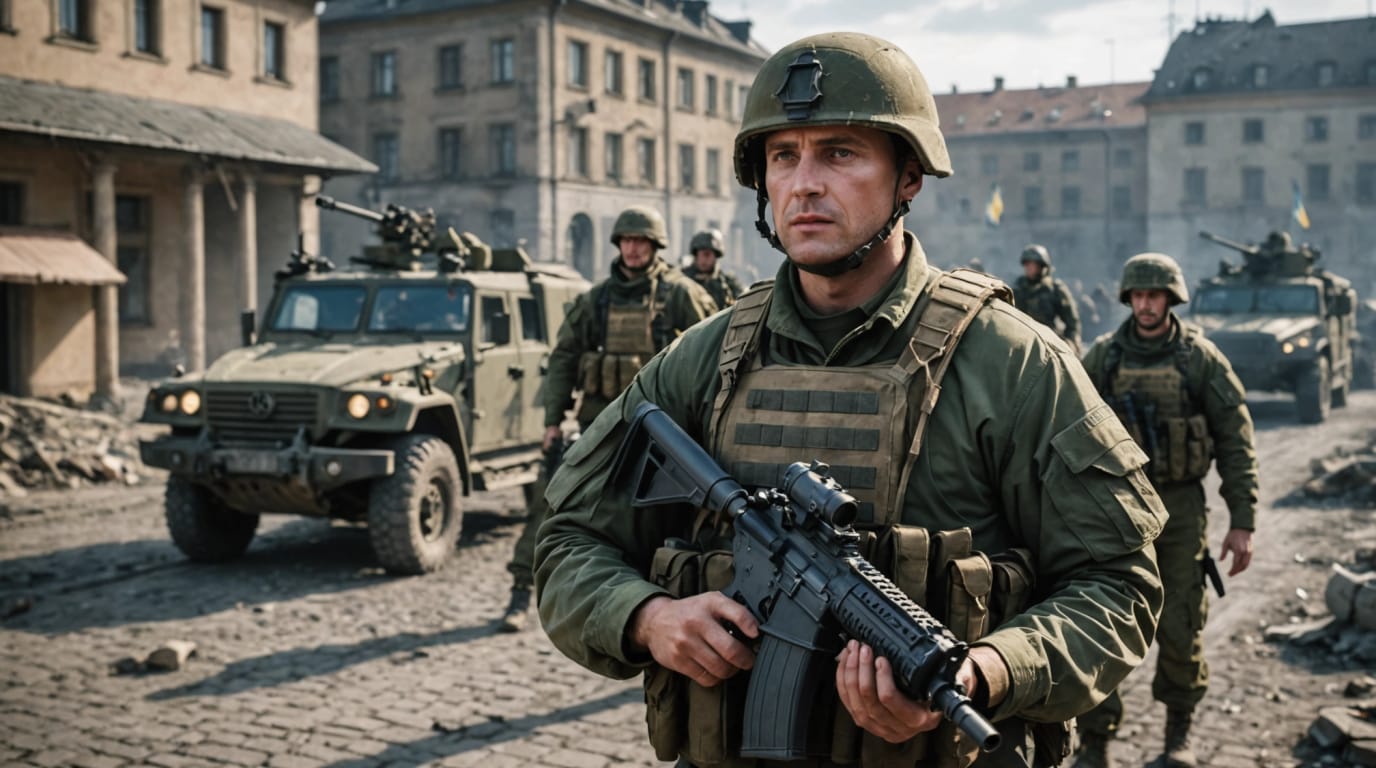
The newly approved funds are earmarked for a range of military equipment, including artillery munitions, air defense systems, and armored vehicles. This substantial package aims to provide Ukraine with the resources needed to withstand ongoing attacks and defend its territory. The move underscores Germany's position as one of Ukraine's most significant backers in Europe, particularly as questions arise regarding the future of U.S. involvement in the conflict.
The approval of the aid package follows a series of key legislative actions within Germany. The Bundesrat, the upper house of parliament representing Germany's federal states, approved constitutional amendments that paved the way for increased spending in critical areas, including defense. This action removed the final obstacle to allocating the €3 billion in military aid to Ukraine. Earlier in the week, the Bundestag, the lower house, approved changes in fiscal rules designed to increase military spending and stimulate economic growth.
The path to approving this aid package was not without its challenges. The three-way coalition government, led by outgoing Chancellor Olaf Scholz, faced internal divisions and delays, primarily stemming from disagreements over fiscal policy. However, with the incoming government led by Friedrich Merz, of the CDU/CSU alliance, a consensus was reached to prioritize defense spending and support for Ukraine. Merz has been a vocal advocate for increasing Germany's role in European security and has championed the effort to reform the country's debt brake rules to allow for greater investment in defense and infrastructure.
This latest commitment brings Germany's total military support for Ukraine in 2025 to €7 billion ($7.2 billion). The specific equipment included in the package, according to the Süddeutsche Zeitung, features three IRIS-T air defense systems, three Skyranger units, 10 howitzers, 20 armored vehicles, drones, and a large quantity of artillery and surface-to-air missiles. While some of these items, such as ammunition and vehicles, can be delivered relatively quickly, more complex systems like the IRIS-T units will require additional production time. Government officials have indicated that the new Iris-T air defense systems will be delivered over the next two years.
The decision to increase military aid to Ukraine comes amid broader geopolitical shifts. With former U.S. President Donald Trump seeking to reduce American involvement in Europe and potentially restore ties with Russia, Germany's role in maintaining stability on the continent is expected to grow. This aid package can be seen as a proactive step to address those concerns and reaffirm Germany's commitment to its allies.
The approval of this aid package also coincides with renewed diplomatic efforts to find a resolution to the conflict. Talks between Russia and Ukraine, brokered by the U.S., are scheduled to take place in Saudi Arabia. These discussions aim to explore potential avenues for de-escalation and a possible truce, although both sides have recently accused each other of violating even informal agreements.
Looking ahead, Germany has earmarked a further €8.252 billion ($8.9 billion) in military aid to Ukraine between 2026 and 2029. This long-term commitment signals Germany's intention to provide sustained support to Ukraine's defense capabilities. The funds will be allocated from the German budget, with some expenditures being reimbursed by the European Peace Facility.
Germany's decision to approve this significant military aid package for Ukraine reflects a broader recalibration of its security policy and a recognition of the evolving geopolitical landscape. By increasing its defense spending and providing crucial support to Ukraine, Germany is positioning itself as a key player in maintaining stability and security in Europe. The aid package not only provides immediate assistance to Ukraine but also sends a strong message of solidarity and commitment to defending freedom and peace in the region.