Germany Braces for Third Major Heatwave as Record Temperatures and Fatalities Mark Summer of 2026
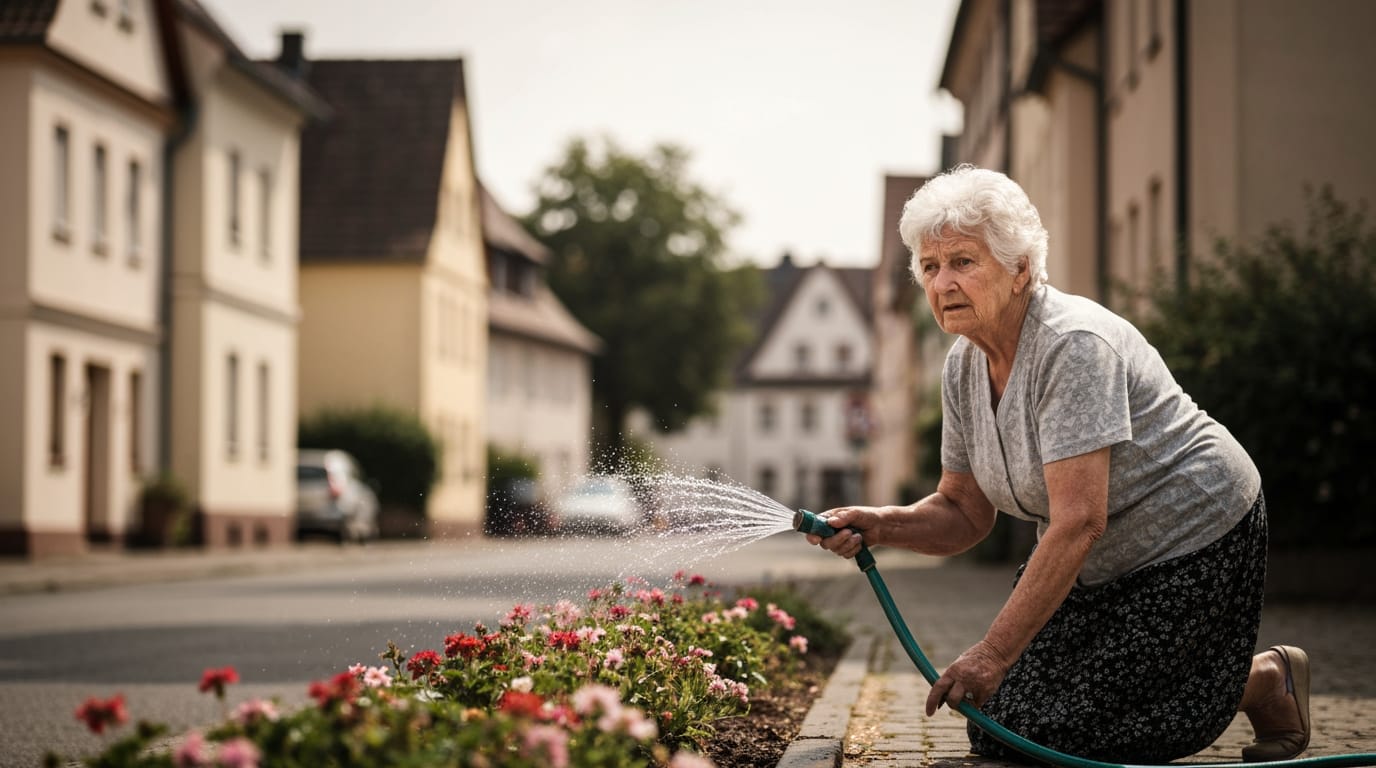
BERLIN, Germany – Germany is bracing for its third significant heatwave of summer 2026, with forecasters predicting another surge of dangerously high temperatures across the nation. This comes amidst a summer already marred by record-breaking heat and a grim toll of heat-related deaths, raising urgent questions about climate adaptation and public health strategies. The impending heat event is expected to push temperatures back into the 30s Celsius, potentially shattering more records and intensifying the widespread challenges posed by a rapidly warming climate across Europe.
The summer of 2026 has delivered an unprecedented succession of extreme heat to Germany, transforming what was once considered a temperate climate into a landscape increasingly vulnerable to the dangers of rising global temperatures. Two prior heatwaves have already left a significant impact, with the upcoming third wave underscoring a new reality for the country and its preparedness. Authorities and meteorologists are issuing stark warnings, urging vigilance as the nation enters another period of intense thermal stress.
The Approaching Swelter: Another Heat Dome Looms
Meteorological models indicate that Germany is on the cusp of experiencing another major heat dome, a high-pressure system trapping hot air over the region. Forecasts suggest temperatures will climb significantly by mid-July, ranging between 27 and 33 degrees Celsius across much of the country. Southern regions, particularly south of the Saarland–Nuremberg line, are anticipating their first "tropical nights," where temperatures remain above 20 degrees Celsius, offering little respite from the daytime heat. Meteorologist Jörg Kachelmann has described the impending weather as "quite catastrophic," indicating the severity of what is to come.
While northern Germany may experience slightly cooler conditions, with highs between 22 and 27 degrees Celsius, major urban centers like Nuremberg, Munich, Frankfurt, Cologne, and Stuttgart are projected to endure persistent temperatures of 30 degrees Celsius or higher. Experts are not ruling out the possibility of a new national temperature record being set around late July or early August, traditionally the warmest period of the summer. This heat is primarily driven by the strengthening Azores High, bringing extended periods of high pressure and dry conditions, a pattern increasingly prevalent in recent European summers. The European Centre for Medium-Range Weather Forecasts (ECMWF) predicts that Germany, along with other Central and Eastern European nations, will experience its hottest days between Thursday and Sunday, with temperatures in cities like Berlin likely to exceed 32 degrees Celsius.
Echoes of Summers Past: A Summer of Records and Loss
The anticipated third heatwave follows a season already marked by extreme weather. Germany experienced its first heatwave of 2026 in late May, when temperatures first surpassed 30 degrees Celsius. Some regions, such as Wutöschingen-Ofteringen in Baden-Württemberg, recorded nine hot days in May, more than double their previous record for the month. This initial surge set the stage for a more severe second heatwave that began on June 17, just days before the summer solstice.
Late June proved to be historically significant, with Germany shattering its all-time national temperature record twice. A preliminary high of 41.8 degrees Celsius was registered at Möckern-Drewitz in Saxony-Anhalt on June 27, following an initial reading of 41.5 degrees Celsius. Another unprecedented 41.7 degrees Celsius was reported in Coschen, Brandenburg. These figures eclipsed the previous national record of 41.2 degrees Celsius set in 2019. Overnight temperatures also reached record levels, with one station in eastern Saxony recording a minimum of 29.4 degrees Celsius, making for relentless thermal conditions. Western Europe as a whole experienced its warmest June on record in 2026, according to the Copernicus Climate Change Service.
Widespread Impacts and Mounting Pressure
The successive heatwaves have exposed and exacerbated vulnerabilities across Germany's infrastructure, environment, and public health systems. The human cost has been particularly severe, with the Robert Koch Institute (RKI) estimating approximately 5,120 heat-related deaths in Germany between mid-April and late June 2026. Mortality rates saw a sharp increase once average weekly temperatures surpassed 20 degrees Celsius, with the majority of fatalities occurring among individuals aged 75 and older. This sobering statistic underscores the RKI's designation of heat as the primary climate-related health risk in Germany.
Infrastructure has also been severely tested. During the late June heatwave, sections of motorways, such as the A2 near Ziesar and Burg, buckled under the extreme heat, necessitating closures and imposing temporary speed limits. Rail services experienced disruptions due to the thermal expansion of tracks and issues with overhead power lines, while urban public transport in Berlin also faced interruptions. The surge in demand for cooling pushed energy grids to their highest levels in 45 years, revealing a critical challenge given that many German buildings lack air conditioning, a design choice rooted in a historically cooler climate.
Environmental impacts are equally concerning. The risk of forest fires has surged, particularly in areas like Gohrischheide, where land contaminated with old ammunition complicates firefighting efforts. Drought conditions have intensified, leading to critically low soil moisture levels. Municipalities, such as Munich, reported water usage 20% above normal during the peak heat, highlighting stress on water resources. Wildlife rescue centers have also noted a sharp increase in heat-stressed animals, signaling broader ecological distress. The German Life Saving Association (DLRG) issued warnings about the dangers of swimming in heated waters, with six fatal incidents reported in one weekend alone.
Navigating a New Climate: Government Responses and Public Advice
In response to the escalating crisis, Germany's heat protection measures have come under scrutiny, often criticized for being fragmented, voluntary, and overly reliant on local budgets. Federal Environment Minister Carsten Schneider acknowledged the profound impact of climate change, emphasizing the need for robust preventive measures, including the expansion of urban green spaces and a reduction in carbon emissions. The Federal Ministry for the Environment (BMUKN) has been exploring options for a national heat-health action plan, building on recommendations issued in 2017.
Some local authorities have taken proactive steps, with Berlin having adopted a comprehensive heat-health action plan in 2025. This plan encompasses 72 measures, ranging from public communication campaigns and behavioral advice to creating maps of cool places within the city. On June 11, 2026, Germany observed Heat Action Day, coinciding with the World Health Organization (WHO)/Europe presenting new guidance for heat-health action plans in Berlin, aiming to bolster protective strategies against extreme heat.
However, political debates continue, with the Greens party leader Katharina Droege criticizing Chancellor Friedrich Merz for his perceived silence on the heatwave and for alleged cuts to climate protection laws. The Greens have advocated for a substantial 5 billion euro heat protection program to mitigate the impacts of extreme heat. Despite these efforts, employers still face challenges in protecting staff from extreme temperatures, as there is currently no automatic right to heat leave.
A Shifting Normal: Adapting to Persistent Extremes
The summer of 2026 clearly illustrates that Europe, and Germany in particular, is grappling with a rapidly changing climate. The increasing frequency and intensity of heatwaves are unequivocally linked to human-induced climate change. Europe is warming faster than any other continent, and persistent atmospheric phenomena like heat domes and "Omega blocks" are now routine, trapping hot air and prolonging extreme conditions.
As Germany prepares for its third major heatwave this summer, the focus remains on immediate public safety and long-term climate adaptation. The successive heat events are reshaping public expectations and routines, demanding a systemic shift in how the nation plans for and responds to extreme weather. The urgent need for cohesive national strategies, enhanced infrastructure resilience, and heightened public awareness is more evident than ever as Germany navigates what is increasingly becoming its "new normal" in a warming world.


