Germany Celebrates First Veterans Day, Grappling With Military's Past and Future
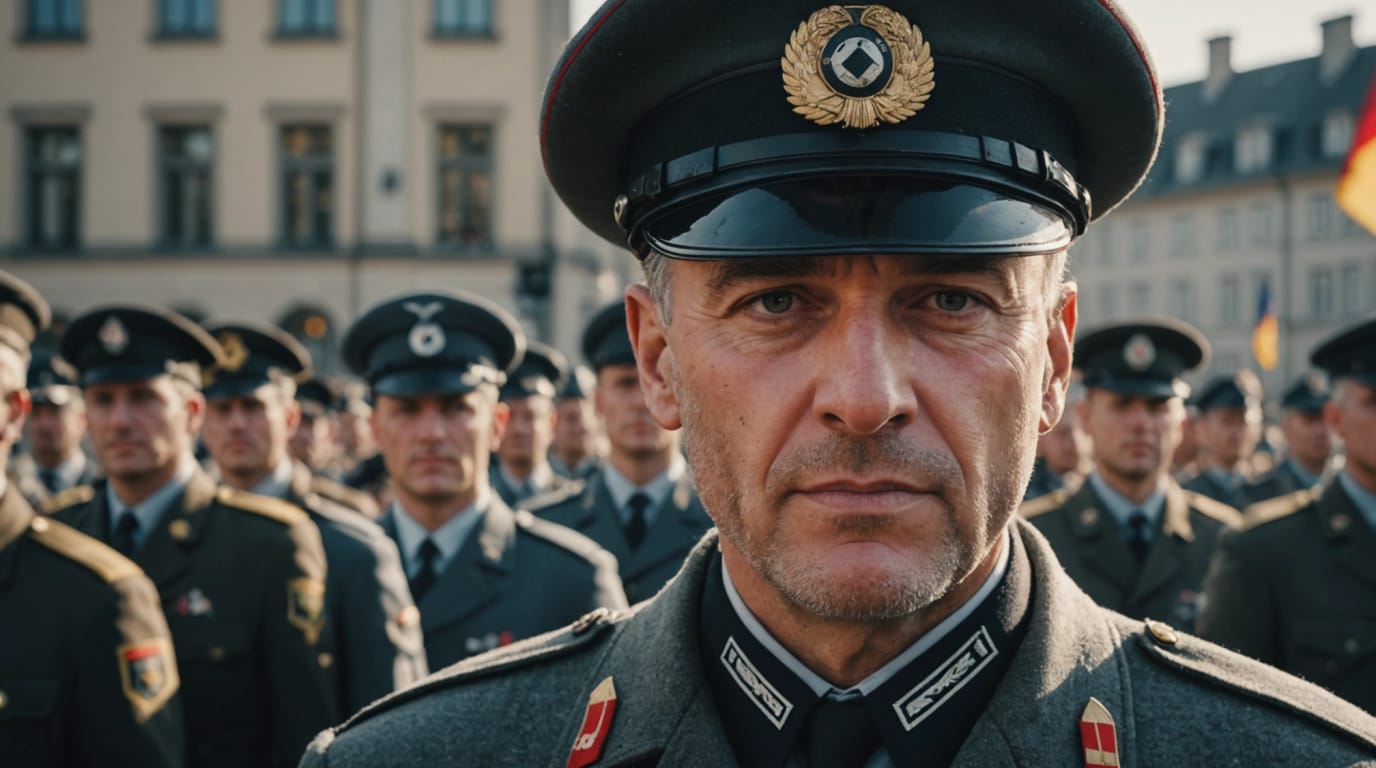
Germany observed its first official Veterans Day on June 15, 2025, a historic moment marking a shift in the nation's relationship with its military and those who have served. The day was filled with celebrations and commemorations nationwide, most notably a large civic event at the Reichstag parliamentary building in Berlin. However, the establishment of Veterans Day also sparked debate, highlighting the complex historical context and ongoing challenges facing the Bundeswehr, Germany's armed forces.
Acknowledging Service and Sacrifice
For years, the Association of German Deployment Veterans (BDV) has campaigned for an official Veterans Day. David Hallbauer, the BDV's deputy chairman and a veteran himself, expressed his delight, stating that recognizing those who risk their lives for society is a matter of course in other countries, and it was time for Germany to follow suit. The aim of Veterans Day is to express gratitude, appreciation, and respect for the Bundeswehr, while also strengthening the bond between the military and the German people.
The main event in Berlin featured a folk festival atmosphere with a stage program, food trucks, and activities for children. Inside the Reichstag, rock star Bryan Adams showcased his photo exhibition, "Wounded: The Legacy of War." Bundestag President Julia Klöckner opened the event, emphasizing the Bundeswehr's role as a "parliamentary army" and the responsibility of lawmakers to support veterans. Defense Minister Boris Pistorius presented veterans' badges, recognizing the service of both active and former soldiers.
Overcoming Historical Shadows
The establishment of Veterans Day in Germany is a relatively recent development due to the nation's complex history. The tradition of honoring war veterans ended with the defeat of Nazi Germany in World War II. The Nazi's "Heroes Memorial Day" was abolished and replaced by a national day of mourning. After the Wehrmacht, the Nazi's unified armed forces, was disbanded, Germany had no army for a decade, and veterans' associations were banned.
Even after the Federal Republic of Germany founded the Bundeswehr in 1955, a new veterans' tradition did not immediately emerge. It was not until the 1990s, when German soldiers were increasingly deployed abroad to places like the Balkans, Afghanistan, and Africa, that attitudes began to change.
In 2018, then-Defense Minister Ursula von der Leyen defined a Bundeswehr veteran as anyone in active service or honorably discharged, without loss of rank. According to this definition, Germany has around 10 million veterans, most of whom are no longer in uniform. The Bundestag passed a resolution in April 2024 to create Veterans Day, solidifying its place on the national calendar.
Recruitment Challenges and Shifting Public Opinion
Germany's decision to institute Veterans Day comes at a time when the Bundeswehr faces significant challenges, including a struggle to recruit new soldiers. The military aims to increase its ranks from the current 181,000 to 203,000 by 2031, but Defense Minister Pistorius has suggested that up to 60,000 additional troops may be needed to meet new NATO requirements amid the ongoing threat from Russia.
The establishment of Veterans Day is seen as one way to boost the image of the military and encourage young people to consider military service. However, some fear that these efforts will not be enough and are calling for the reinstatement of conscription, which was officially suspended in 2011.
Public opinion toward the military in Germany has been evolving. While pacifist traditions stemming from World War II have made the country reluctant to publicly honor the military, attitudes have been shifting since Russia's invasion of Ukraine in 2022. Concerns about U.S. commitment to European security under President Donald Trump have also added impetus to efforts to strengthen the Bundeswehr.
Polls indicate growing support for increased defense spending, with a majority of Germans favoring spending more than 2% of their gross domestic product on defense. However, a significant percentage of Germans remain unwilling to fight for their country if attacked, and many express limited faith in the army's ability to defend the nation.
Addressing the Needs of Veterans
Beyond recognition and appreciation, a key goal of Veterans Day is to highlight the needs of veterans, particularly those injured in service. This includes improving mental health support for soldiers suffering from post-traumatic stress disorder (PTSD). Advocates say that many veterans face long waits for help, sometimes years. Bureaucratic hurdles and strict criteria for approving therapy and treatment add to the challenges.
The German Veterans Association has emphasized the importance of addressing these shortcomings and ensuring that veterans receive the support they need. They describe the struggle to get timely assistance as a "war after the war."
A Day of Reflection and Debate
While the inaugural Veterans Day was largely celebratory, it also faced opposition. Die Linke (The Left Party) organized a counter-event in Berlin titled, "We will not celebrate your wars," arguing that Veterans Day was designed to normalize war and create "cannon fodder" for the German armed forces.
These opposing views highlight the ongoing debate in Germany about the role of the military and the country's responsibility in international conflicts. Military historian Sönke Neitzel suggested that it might have been too early to introduce such a day, given that Germany's combat operations in Afghanistan were still viewed critically by some.
Looking Ahead
Germany's first Veterans Day marks a significant step in the country's evolving relationship with its military. The day served as an opportunity to honor the service and sacrifice of veterans, while also acknowledging the historical complexities and ongoing challenges facing the Bundeswehr. As Germany continues to navigate its role in a changing world, the conversation surrounding its military and its veterans is likely to continue. The hope is that Veterans Day will foster greater understanding, support, and respect for those who have served the nation.


