Germany Deepens Gulf Ties in Strategic Pivot for Energy and Influence
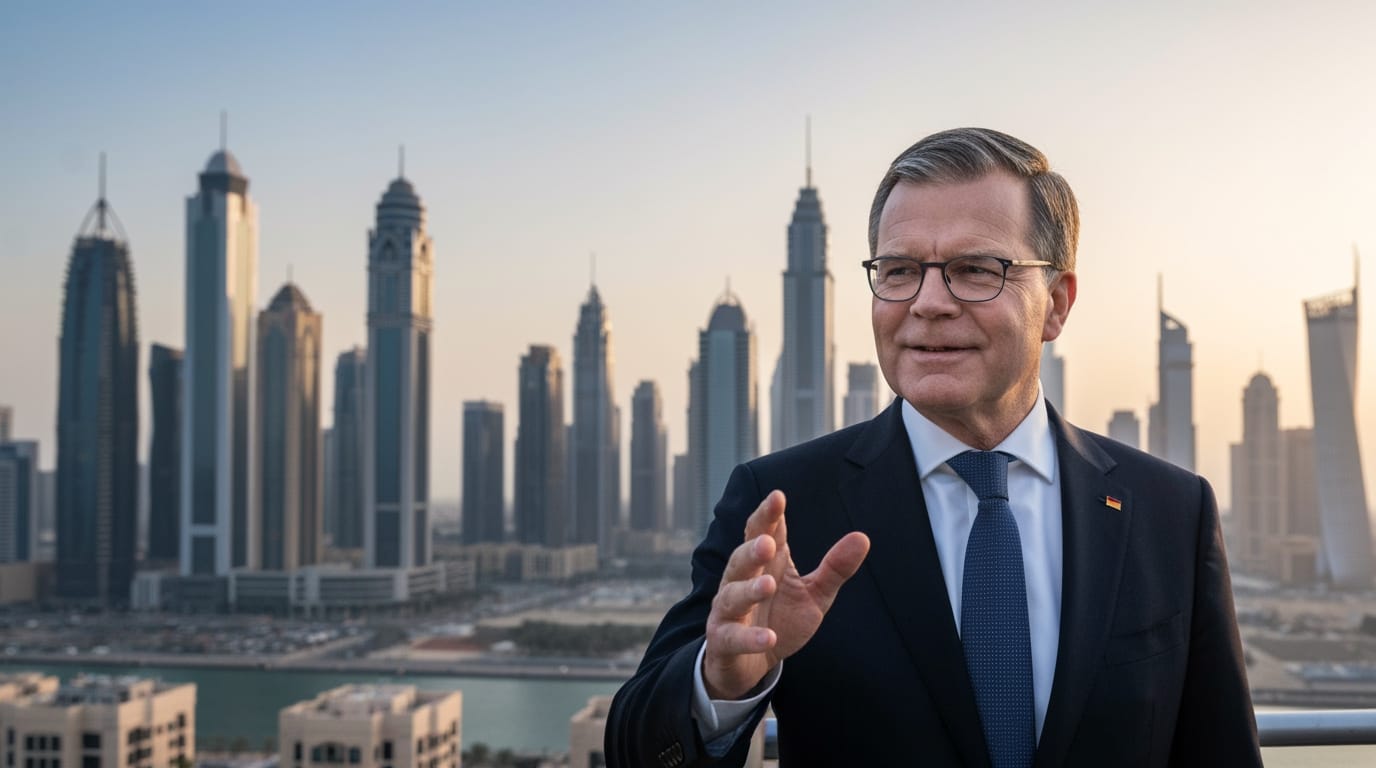
BERLIN – German Chancellor Friedrich Merz has concluded a pivotal three-day diplomatic and economic offensive across the Gulf states, signaling a significant reorientation of Berlin's foreign and energy policy amid a volatile global landscape. The whirlwind tour, which saw Merz visit Saudi Arabia, Qatar, and the United Arab Emirates, aimed to forge closer partnerships in energy, trade, and security, while simultaneously reducing Germany's reliance on established alliances and diversifying its supply chains.
Merz, accompanied by a high-level business delegation, embarked on the mission from February 4 to 6, emphasizing Germany's urgent need for new strategic allies and alternative energy sources. The visit underscores a broader strategic shift as Europe's largest economy navigates geopolitical complexities and seeks to bolster its economic resilience.
The Urgency of Diversification
The impetus behind Chancellor Merz’s intensive Gulf engagement stems largely from Germany's recent experiences with energy security. The 2022 invasion of Ukraine and subsequent curtailment of Russian gas supplies compelled Berlin to rapidly seek alternative energy partners. While liquefied natural gas (LNG) imports increased, a substantial 96% of Germany's LNG supply in 2025 originated from the United States, prompting concerns about over-reliance on a single supplier. This vulnerability has driven Germany to actively pursue additional energy supplies from the Gulf region, including agreements for LNG and long-term investments in green hydrogen projects. A senior German official stated prior to the trip that Germany aimed to diversify its supply chains, particularly in the energy sector.
Discussions throughout the tour centered on securing energy deals, with a focus on both traditional oil and gas and the burgeoning green hydrogen sector, which aligns with Germany's climate targets. The Gulf states, in turn, are actively diversifying their own economies away from fossil fuels, investing heavily in renewable energy, technology, and artificial intelligence, presenting fertile ground for mutual cooperation.
Expanding Economic Horizons
Beyond energy, Chancellor Merz's visit sought to deepen overall economic ties. Germany has historically maintained strong commercial relations with the Gulf Cooperation Council (GCC) states, with trade in goods reaching €18.9 billion in 2021, and German exports accounting for €13 billion of that total. The UAE remains Germany's primary trade partner in the GCC, followed by Saudi Arabia.
The Chancellor's delegation aimed to strengthen trade and export opportunities, stimulate foreign investment, and attract capital from the Gulf's substantial sovereign wealth funds. Qatar, for instance, already holds significant stakes in prominent German companies like Volkswagen, utility RWE, and shipping group Hapag-Lloyd. Merz has also advocated for the resumption of free-trade negotiations between the European Union and the Gulf states, signaling a desire for more comprehensive economic integration. These efforts are part of a broader German strategy to position itself as a reliable business partner and encourage deeper trade and cooperation with the Gulf countries.
Navigating Geopolitical Complexities
The visit also addressed sensitive geopolitical and security concerns. Germany has indicated a willingness to adopt a less restrictive and more predictable approach to arms exports to the Gulf states, a departure from previous cautious policies influenced by human rights considerations and regional conflicts. This policy shift has drawn attention, particularly with reports of Saudi Arabia's interest in German defense equipment such as Airbus's A400M transport aircraft and renewed inquiries about the Eurofighter Typhoon. Such developments mark a strategic change in Germany's foreign policy to align with new global partners.
Regional security, particularly regarding Iran, was a prominent theme in discussions. Merz conveyed Germany's "great concern" over potential escalation involving Iran and urged Tehran to cease destabilizing activities, halt its military nuclear program, and return to negotiations. He also called for greater peace, stability, and cooperation in the region, including the normalization of relations with Israel. These discussions underscore the Gulf states' strategic importance not only as economic partners but also as crucial actors in regional stability and diplomacy.
A New Era of Foreign Policy
Chancellor Merz's Gulf tour is emblematic of a broader recalculation in German foreign policy. Recognizing an increasingly multipolar world where major powers exert significant influence, Berlin aims to broaden its network of partners to mitigate vulnerabilities and assert its global standing. This strategic pivot seeks to reduce Germany's reliance on both the United States and China, pursuing "European strategic sovereignty" and a more diversified foreign policy.
Prior to Merz’s trip, other German ministers, including Environment Minister Carsten Schneider and Economy Minister Katherina Reiche, had also visited the region, laying groundwork for these intensified partnerships. This series of engagements reflects a consensus within the German government that new partners are essential in an era where long-standing alliances may be perceived as less dependable.
Conclusion
Chancellor Friedrich Merz’s recent engagements in Saudi Arabia, Qatar, and the United Arab Emirates mark a significant chapter in Germany's evolving foreign and economic policy. The investment charm offensive highlights Germany's proactive stance in securing its energy future, fostering economic growth through new partnerships, and enhancing its geopolitical influence. While the strategy involves a delicate balance of economic interests with considerations like human rights and regional stability, the comprehensive nature of the discussions — spanning energy, trade, investments, and security — signals a deliberate and concerted effort by Germany to forge a more resilient and independent global position. The outcomes of this pivot will undoubtedly shape Germany’s role in the Middle East and its broader international relations for years to come.


