Germany Grapples with Mounting Heat Death Toll as Climate Change Intensifies

BERLIN, Germany – Germany is confronting a severe public health crisis as heat-related deaths for the current year approach an alarming 10,000, according to new data from the Robert Koch Institute (RKI). This grim statistic, reported up to mid-July 2026, already exceeds the total annual fatalities recorded in any single year over the past decade, underscoring the escalating impact of extreme temperatures across the nation. The majority of these deaths occurred during a record-breaking heatwave in late June, signaling a heightened vulnerability among the population to the intensifying effects of climate change.
Unprecedented Mortality Amidst Record Heat
The RKI estimates that approximately 9,800 individuals have succumbed to heat-related causes in Germany by July 19, 2026. This figure surpasses the previous decade's high of around 9,000 deaths recorded for the entirety of 2018. A significant portion of this year's fatalities, over 5,000, were attributed to a particularly severe heatwave in the second half of June, during which temperatures soared to 40 degrees Celsius or more in numerous regions. An estimated 4,300 of these deaths occurred in the single week of June 22-28 alone. The alarming increase in mortality rates has been linked directly to periods when average weekly temperatures exceeded 20 degrees Celsius.
The RKI’s methodology for estimating heat-related deaths relies on a statistical correlation between overall mortality figures and temperature trends. Direct medical attribution of heat as the primary cause of death is rare, with typically only a handful of cases officially recorded as such annually. Instead, researchers analyze excess mortality during hot periods, adjusting for confounding factors, to determine the likely number of heat-induced fatalities. This analytical approach highlights the often indirect yet profound role of heat in exacerbating pre-existing health conditions.
Vulnerable Populations Bear the Brunt
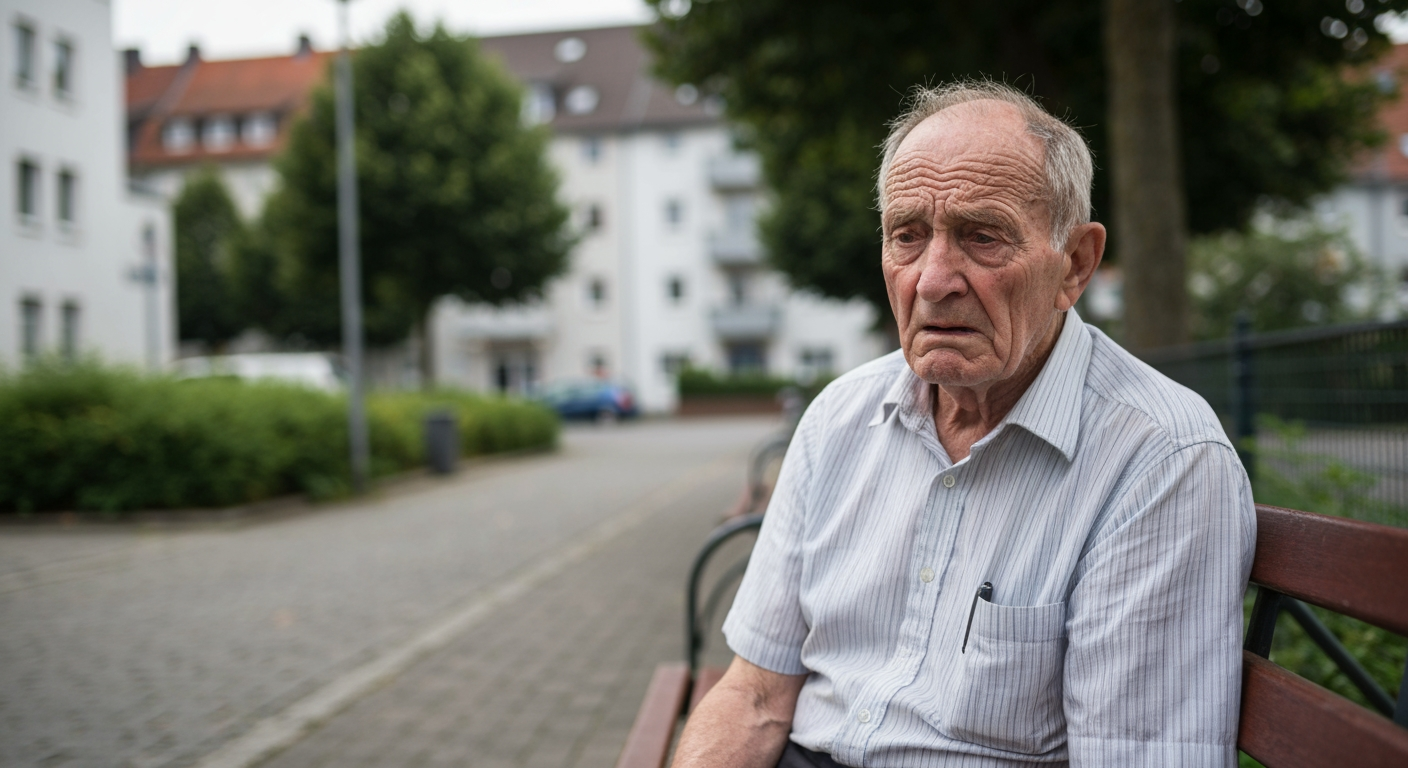
The demographic analysis of the heat-related deaths reveals a disproportionate impact on Germany's older population. Individuals aged 85 and above accounted for 5,420 fatalities, while those between 75 and 84 years old saw 2,460 deaths. An additional 1,260 deaths were recorded in the 65-74 age bracket. In contrast, heat-related deaths among individuals younger than 65 totaled 630. The RKI also noted that more women than men died from heat-related causes, largely due to women comprising a greater share of the elderly demographic.
Beyond age, individuals with pre-existing medical conditions are at significantly higher risk. Heat can aggravate cardiovascular, respiratory, and kidney diseases, and can also interfere with the efficacy of various medications. For instance, high temperatures can lead to dehydration and elevated blood sugar levels in people with diabetes, making it harder for their bodies to adapt. This highlights that extreme heat often acts as a dangerous catalyst, pushing vulnerable individuals into critical health states.
Climate Change: The Underlying Driver
The escalating heat crisis in Germany is inextricably linked to climate change. Scientists affirm that human activity, particularly the combustion of fossil fuels, is making periods of extreme heat more common, more severe, and consequently, more deadly across Europe and the globe. Germany's average temperature over the past decade has already risen by approximately 2 degrees Celsius above pre-industrial levels, with eight of the ten hottest summers since 1881 occurring in the last three decades.
Projections indicate that heat events will continue to increase in duration, frequency, and intensity throughout Germany. Urban areas face a particular challenge due to the "urban heat island effect," where densely built environments absorb and retain more heat, leading to significantly higher temperatures than surrounding rural areas. Climate models suggest a substantial increase in hot days and heatwave days by the end of the century, impacting public health and critical infrastructure.
Calls for Enhanced Heat Action Plans
Despite the growing threat, Germany has been criticized for its slow implementation of comprehensive heat action plans. Historically, climate change impacts were not consistently integrated into planning efforts, leaving the health sector inadequately prepared in many regions. While some federal states, like Berlin, have begun adopting detailed heat-health action plans that include measures such as heat warning apps, public information campaigns, and maps of cool public spaces, a nationwide, coordinated strategy remains in development.
The World Health Organization (WHO) recently presented updated Heat-Health Action Plans Guidance in Berlin on Heat Action Day 2026, urging governments worldwide to strengthen their heat protection measures. Federal Environment Minister Carsten Schneider emphasized that heat protection is a societal issue, particularly for those living in overheated urban flats without access to cooling. Efforts to mitigate the urban heat island effect, such as unsealing urban areas and expanding green spaces, are underway in cities like Leipzig and Stuttgart, but these represent long-term solutions to an immediate and worsening problem.
A Future of Increasing Heat and Urgency
The near 10,000 heat-related deaths recorded in Germany this year serve as a stark reminder of climate change's immediate and deadly consequences. As global warming continues its trajectory, the frequency and intensity of extreme heat events are only expected to rise, posing an even greater challenge to public health. The urgency for robust, well-funded, and coordinated heat-health action plans across all levels of government is paramount. Without swift and decisive action, the tragic human cost of extreme heat in Germany and beyond is projected to climb further, making preparedness and adaptation critical components of national health and environmental policy.
Related Articles

Ratko Mladić, "Butcher of Bosnia" and Convicted War Criminal, Dies at 84
THE HAGUE, Netherlands – Ratko Mladić, the former Bosnian Serb military commander known as the "Butcher of Bosnia" and convicted of genocide, war crimes, and crimes against humanity, has died at the age of 84. Serbian...


Long-Awaited 9/11 Mastermind Trial Set for 2028, Decades After Attacks
GUANTANAMO BAY, Cuba – Nearly a quarter-century after the devastating terror attacks of September 11, 2001, a military judge has finally set a trial date for Khalid Sheikh Mohammed, the alleged mastermind behind the...