Germany Grapples with Potential Return of Mandatory Civilian Service Amid Shifting Security Landscape

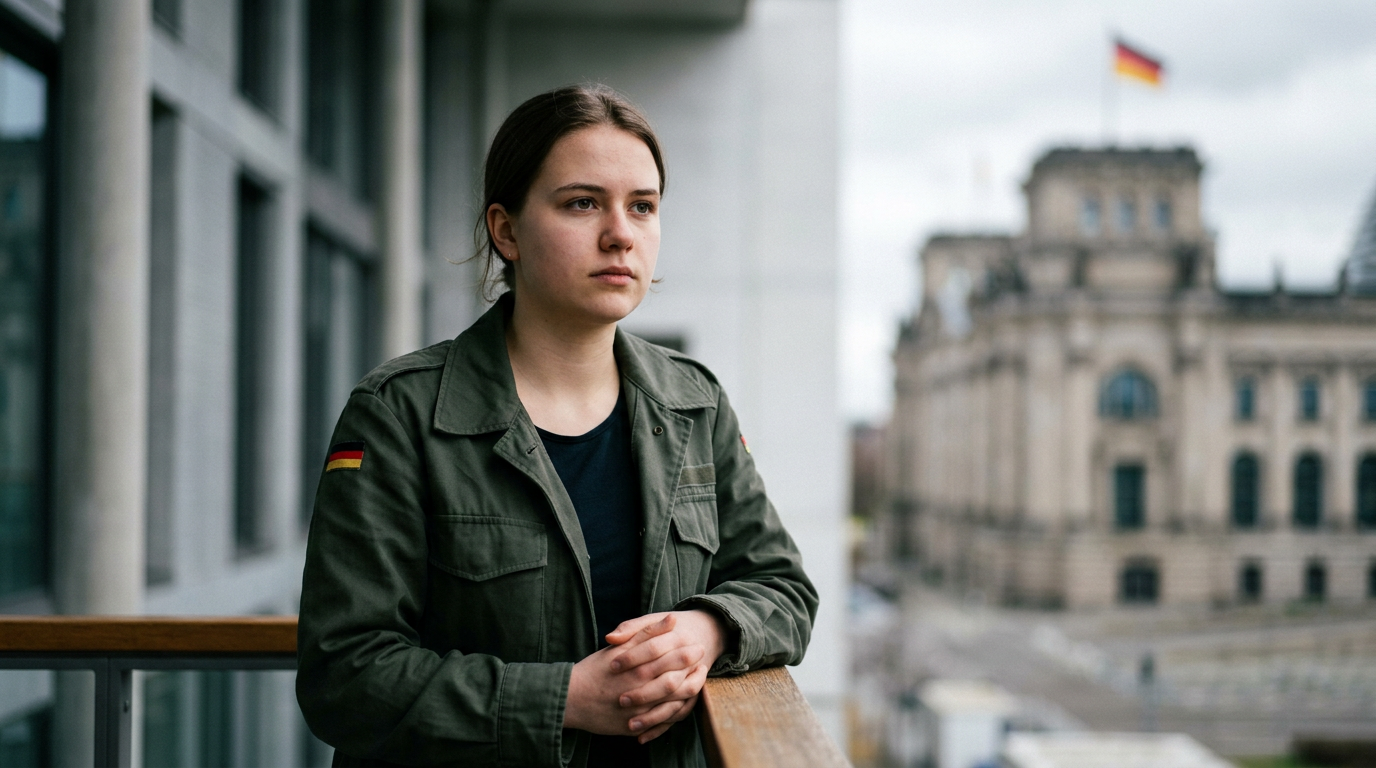
BERLIN – Germany is poised at a critical juncture, actively debating and preparing the groundwork for a potential reintroduction of mandatory civilian service, a move deeply intertwined with the broader discussion around compulsory military conscription. This significant policy deliberation comes nearly 15 years after conscription was suspended, driven by a profound reassessment of national security in the wake of escalating geopolitical tensions and a pressing need to bolster the Bundeswehr's capabilities. The discussions reflect a fundamental shift in Germany's defense posture and societal obligations, challenging long-held post-Cold War assumptions about its role in European and global security.
The Zeitenwende and Renewed Urgency for National Service
The impetus for this renewed debate stems directly from what German Chancellor Olaf Scholz termed the "Zeitenwende," or "turning point," following Russia's full-scale invasion of Ukraine. This event has fundamentally altered Germany's strategic outlook, highlighting perceived deficiencies in its defense readiness and a critical shortage of personnel within its armed forces, the Bundeswehr. In response, Germany has committed to significantly boosting its troop levels to 260,000 active soldiers and 200,000 reservists, a substantial increase from its current around 180,000 personnel. To address these needs, a new military service framework was introduced in January 2026, aiming to strengthen the Bundeswehr through voluntary enlistment. This framework includes mandatory questionnaires for 18-year-old men and compulsory medical examinations for those born in 2008 or later, signaling a decisive shift towards preparing for future national defense requirements. While the immediate focus is on attracting volunteers, the legislation explicitly leaves open the possibility of compulsory measures if recruitment targets are not met, potentially activating a "needs-based conscription" by 2028.
A Historical Echo: Conscription's Past and Civilian Alternatives
Germany possesses a long history of compulsory military service, a practice deeply embedded in its national fabric since the 19th century, with notable interruptions during and after the World Wars. West Germany reintroduced mandatory military service for men in 1957, partly to ensure the postwar military remained integrated into a democratic society. This system allowed conscientious objectors to opt for an alternative civilian service, known as Zivildienst. For decades, young men served in hospitals, nursing homes, youth organizations, and rescue services, contributing significantly to the welfare state. Conscription was finally suspended on July 1, 2011, by the then-governing coalition, citing a "permanently changed security and defense policy situation" that no longer justified the infringement on fundamental rights. However, the German constitution, specifically the Basic Law, still retains the legal instruments for reintroducing conscription, although it currently only permits men over 18 to be conscripted, not women. The reintroduction of a civilian service option is now seen as an indispensable component should military conscription return, with the Federal Ministry for Family Affairs already engaging welfare organizations on their capacity to accommodate alternative placements.
Navigating the Labyrinth of Proposed Models and Political Divides
The current debate is characterized by a range of proposed models and significant political divisions. Defense Minister Boris Pistorius has been a prominent voice in exploring options, suggesting that mandatory military service could be reinstated as early as 2026 if voluntary recruitment falls short. Discussions have encompassed various approaches, including a voluntary federal service within a general civic program allowing choice between military and social services, voluntary military service following universal registration, and a mandatory service for all, regardless of gender. A lottery system for selecting recruits has also been publicly discussed, though legal concerns about its fairness persist.
Political parties are largely fractured on the issue. The conservative CDU/CSU bloc generally favors a stronger compulsory element, with some advocating for a lottery-style system and pushing for mandatory medical examinations for men. In contrast, their coalition partners, the center-left Social Democrats (SPD), tend to prioritize voluntary recruitment. The Free Democratic Party (FDP) has criticized preparations for a new civilian service as an admission of failure in achieving Bundeswehr recruitment targets through voluntary means. The Left Party strongly opposes any form of compulsory service, arguing against state-mandated "cheap labor" to fill gaps in welfare services. The Green Party's stance is reportedly mixed, with some supporting voluntary models and others favoring a broader national service year. Even the far-right Alternative for Germany (AfD), which has historically advocated for conscription, faces internal divisions, particularly regarding its application to "foreign wars".
Societal Implications and Public Discourse
The prospect of reintroducing mandatory service has ignited a fervent public debate concerning its societal implications. Proponents argue that a universal service year, whether military or civilian, could foster civic responsibility, strengthen social cohesion, and provide a sense of shared purpose among younger generations. They also point to the benefits for social services and civil protection, which could gain much-needed personnel and support in times of crisis. Some surveys indicate significant public support for reinstating conscription, with 54 percent of Germans advocating for it, including 36 percent who support it for both men and women. This support is notably higher among older demographics.
However, critics raise substantial concerns. Organizations like The Left party and the Social Association of Germany (SoVD) warn against state intervention in the freedom and life plans of young people, fearing that a new civilian service could be exploited for "cheap labor" and displace regular employment. There are also concerns that medical examinations could be seen as a slippery slope towards full conscription. Public opinion, while leaning towards reintroduction, is far from monolithic. A study from October 2025 revealed that while many Germans recognize the importance of military strength, younger generations, in particular, desire the freedom to choose how they contribute. This highlights a generational divide, with older Germans more inclined to favor conscription, while younger individuals prioritize personal autonomy.
The Road Ahead: Conditional Reintroduction and National Preparedness
As Germany looks towards the mid-2020s, the path to reintroducing mandatory civilian service remains conditional and multifaceted. The current legislative framework, in effect since January 2026, focuses on voluntary recruitment, but crucially builds in mechanisms for activating compulsory service if voluntary targets are not met. Analysts predict a gradual shift towards a hybrid system, with compulsory service potentially activated by 2028, especially if regional tensions escalate or recruitment goals remain unmet. The debate underscores Germany's cautious yet determined approach to redefining its national defense strategy in a more volatile world. By laying the groundwork for both military and civilian obligations, Germany is not only addressing immediate personnel shortfalls but also contemplating a broader recalibration of civic duty and national preparedness in the 21st century. The ultimate decision will hinge on balancing national security imperatives with individual liberties, shaping the responsibilities of a new generation of Germans.
Related Articles


Mounting Frustration Grips Russia as Economic Hardship and War's Toll Deepen
Moscow, Russia – A palpable shift in public sentiment is emerging across Russia, with growing frustration among citizens fueled by a confluence of economic pressures, increasing internet restrictions, and the undeniable...

Germany's Strategic Calculus: Ukraine Aid is an Investment in European Security, Not Charity
Berlin – The ongoing provision of substantial aid to Ukraine by Germany and its allies is increasingly being framed not as an act of altruism, but as a crucial investment in European security and stability. This...