Germany Gripped by Widespread Ice and Snow: Schools Close Amid Perilous Conditions
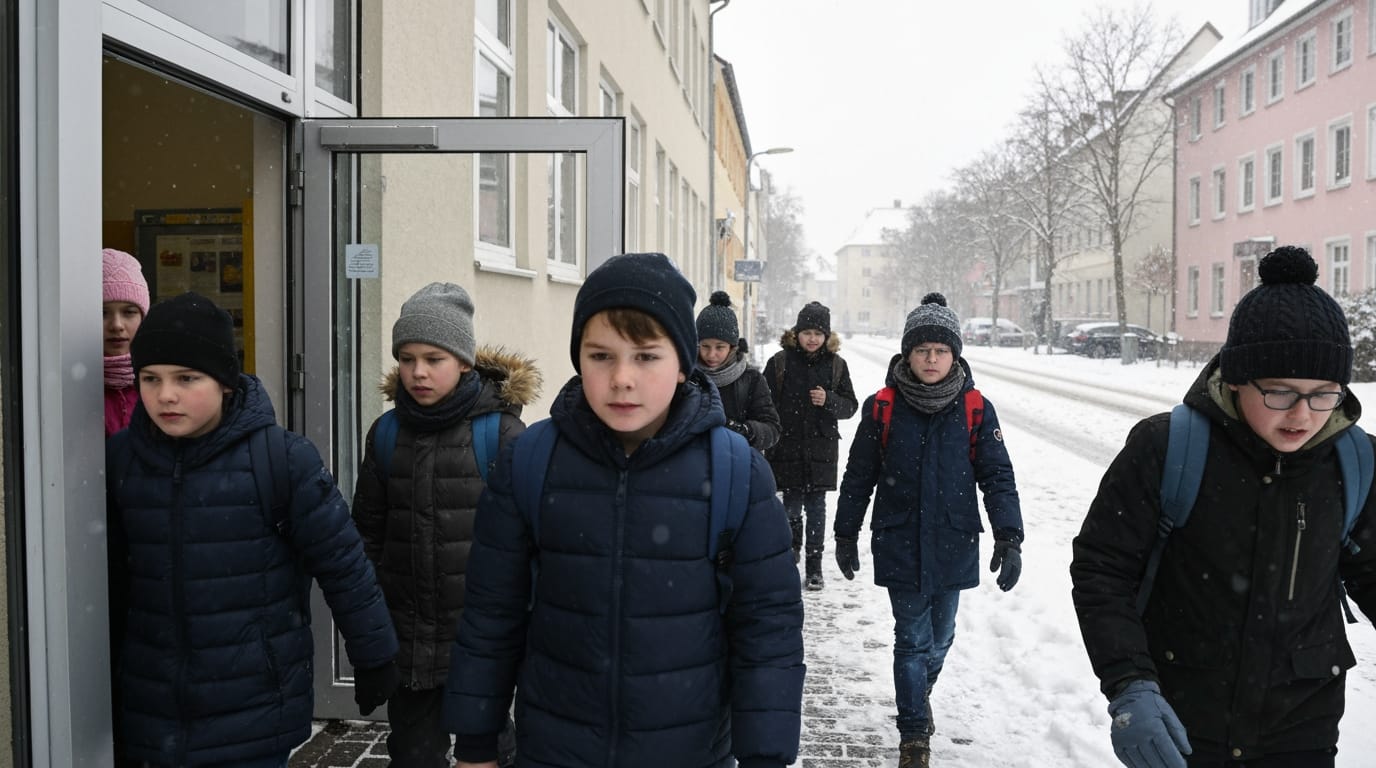
Berlin, Germany – A relentless onslaught of severe winter weather has brought much of Germany to a standstill in early January 2026, forcing the closure of hundreds of schools and triggering widespread disruptions across transportation networks. The German Weather Service (DWD) has issued urgent warnings concerning dangerous icing conditions, as a combination of heavy snowfall, freezing rain, and black ice creates treacherous environments for residents nationwide. The severe conditions, initially driven by Storm Elli and exacerbated by subsequent weather systems, have led to calls for extreme caution and significant alterations to daily life.
The wintry assault began around January 8th with the arrival of Storm Elli, which swept across the country bringing significant snowfall and strong winds, particularly to northern regions. This was followed by freezing rain and the threat of widespread black ice, prompting authorities to act swiftly to ensure public safety. The severity of the weather has led to an unprecedented level of caution, with schools in numerous federal states opting for closures or remote learning to protect students and staff from hazardous travel conditions.
Schools Shut Down as Ice Warnings Mount
The impact on Germany's education system has been immediate and extensive. On January 9th, schools in Hamburg, Bremen, and large parts of Lower Saxony were among the first to announce closures, affecting hundreds of thousands of pupils. Many institutions switched to long-distance learning, with only emergency childcare provided for those parents unable to keep their children home. The state of Saarland, facing severe icy conditions, also canceled all in-person classes, citing that the regular commute to school could not be deemed safe.
The closures extended into the week, with North Rhine-Westphalia, Germany's most populous state, keeping its schools shut for in-person instruction on January 12th due to the ongoing risk of black ice and a new weather system dubbed "Gunda." Even where schools were not formally closed, regional authorities and school transport services faced significant challenges, leading to localized suspensions and further disruption. The DWD’s assessment of an "extreme" weather situation underscored the necessity of these protective measures, prioritizing the safety of the student population over regular school attendance.
Widespread Travel Chaos and Perilous Road Conditions
Beyond the classroom, the winter weather has brought substantial chaos to Germany's infrastructure, particularly its transportation networks. Heavy snowfall, powerful winds, and widespread black ice have made road and rail travel exceptionally dangerous. Deutsche Bahn, the national railway operator, suspended all long-distance trains in northern Germany on January 9th and faced significant disruptions around key transport hubs like Hanover. While some services gradually resumed, the initial suspension highlighted the severity of the conditions.
Motorists have been strongly advised against non-essential travel, with the General German Automobile Club (ADAC) emphasizing the rapid deterioration of road surfaces. Reports of stranded trucks blocking major motorways and numerous weather-related accidents have underscored the perilous nature of driving. Tragically, at least three fatalities have been reported in weather-related traffic accidents, including two in Bavaria following a head-on collision on snow-covered roads and another driver dying after crashing into a tree. Frankfurt Airport also reported initial weather-related delays, and ferry services to several North Sea islands were suspended due to the anticipated storms.
Meteorological Factors and Broader Economic Impact
Meteorologists from the DWD described the weather as "extreme," with forecasts predicting up to 20 to 25 centimeters of snow in some regions, particularly in the north and northeast. The combination of wind and snow, along with plummeting temperatures, created treacherous snowdrifts and rendered road salt ineffective in areas where temperatures dropped below minus 10 degrees Celsius. Freezing rain posed an additional threat, coating roads, pavements, and rail lines with a dangerous layer of ice. Exposed areas, such as the Black Forest, even experienced wind gusts up to 130 kilometers per hour.
The severe weather has also had an economic ripple effect. Carmaker Volkswagen announced a suspension of production at its Emden plant in north-western Germany on January 9th, citing potential disruptions to employees and the supply chain. Furthermore, the ruling Christian Democratic Union (CDU) party was compelled to cancel its first major meeting of the year, scheduled for January 9th and 10th in Mainz, due to the severe weather warnings and anticipated travel cancellations.
Outlook and Calls for Preparedness
While meteorologists anticipate a gradual improvement in weather conditions from west to east, with a significant moderation expected by Wednesday, January 14th, the immediate aftermath continues to demand vigilance. Authorities have urged residents to remain cautious, avoid unnecessary travel, and prepare for difficult conditions by carrying warm supplies if travel is unavoidable. The focus now shifts to reviewing emergency response processes and addressing the continued disruptions, particularly within the rail network.
The widespread school closures and travel chaos serve as a stark reminder of winter's capacity to disrupt daily life. The coordinated response by authorities and educational institutions underscores a commitment to public safety in the face of unpredictable and severe weather patterns. As Germany slowly emerges from this icy grip, the emphasis remains on safety and resilience, with a clear message that caution is paramount when confronting the forces of nature.


