Germany Halts Controversial Military Travel Rule Amid Public Backlash
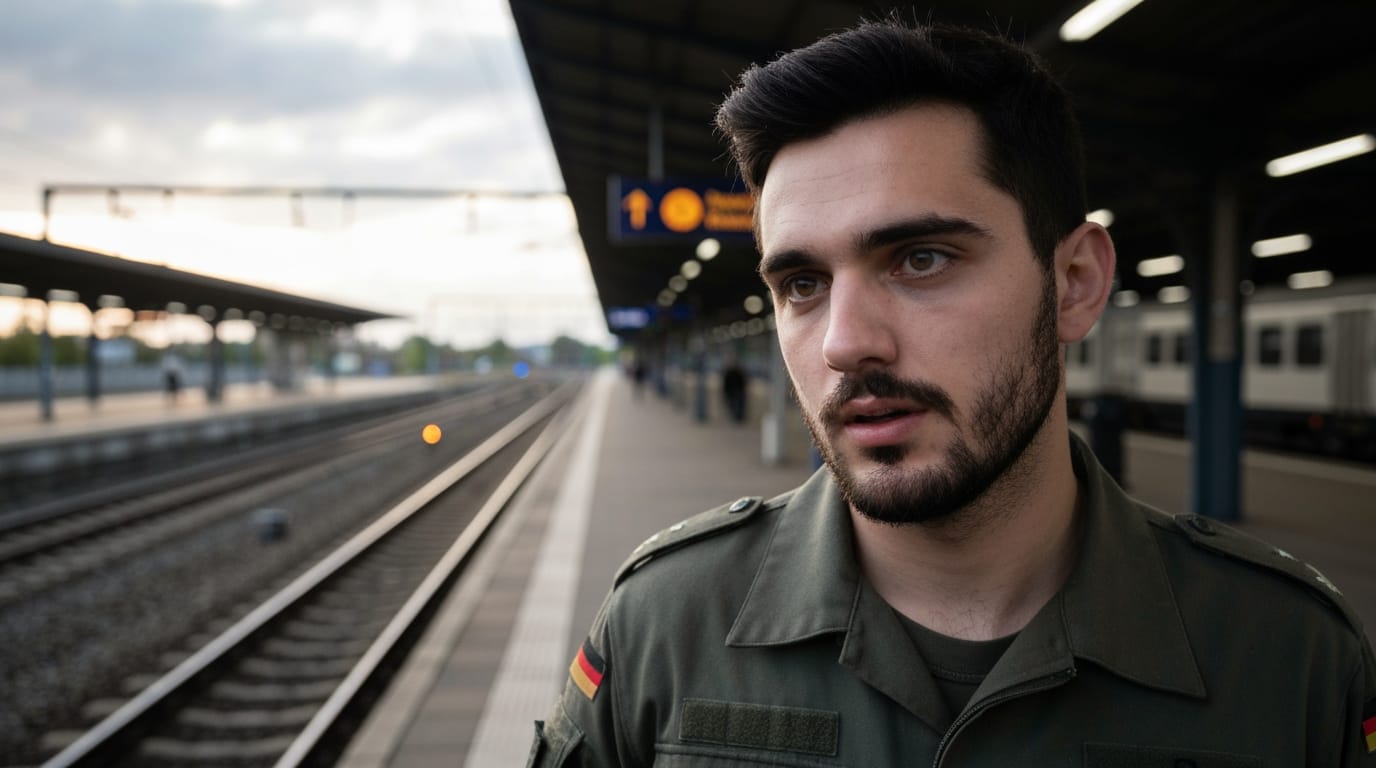
Berlin, Germany – Germany's Defense Minister, Boris Pistorius, has suspended a contentious requirement for young men to seek military approval for extended foreign travel, a provision that had quietly come into effect on January 1, 2026, and subsequently sparked widespread public debate and protests. The reversal, announced on April 8, 2026, aims to quell growing concerns over civil liberties while the nation grapples with ambitious goals to bolster its armed forces in a shifting geopolitical landscape.
The directive, part of Germany's new Military Service Modernisation Act, stipulated that men aged 17 to 45 were required to obtain prior permission from the Bundeswehr, the German armed forces, for any stay abroad exceeding three months. This seemingly minor clause, which had largely gone unnoticed during its passage through parliament in December 2025, rapidly escalated into a major point of contention across the country following its wider revelation in early April. Critics argued that the regulation imposed an undue bureaucratic burden and infringed upon fundamental freedoms for a significant portion of the male population, even though military service remains voluntary in Germany.
The Unveiling of an Overlooked Mandate
The Military Service Modernisation Act, which became law at the start of the year, represented a comprehensive effort to reform Germany’s defense structures. While much of the public and political discourse focused on the reintroduction of mandatory registration and health examinations for 18-year-old men, aimed at identifying potential volunteers, the travel clause remained largely in the shadows. It was not until media reports, notably from the Frankfurter Rundschau newspaper, brought the provision to light that public awareness surged.
The Ministry of Defence initially confirmed the requirement, clarifying that it was a revival of a Cold War-era regulation designed to maintain an updated record of individuals eligible for military service, should a national emergency necessitate it. Officials had emphasized that approval for travel would be granted routinely in peacetime, especially since military service was voluntary, and that the measure was primarily a precautionary step to track potential recruits if conscription ever needed to be reconsidered. However, this explanation did little to assuage the growing public unease.
A Nation's Strategic Shift and Recruitment Woes
The controversial travel rule emerged against a backdrop of Germany's intensified efforts to bolster its military capabilities. Following Russia's full-scale invasion of Ukraine in 2022, European security concerns have surged, prompting Germany to re-evaluate its defense posture and commitment to NATO. Chancellor Friedrich Merz has voiced ambitions for Germany to build the strongest conventional army in Europe, recognizing the evolving threat from Moscow and potential uncertainties regarding U.S. commitment to European security.
Germany suspended mandatory military conscription in 2011, a decision then justified by the conclusion of the Cold War and a shift towards a professional army focused on foreign missions. However, this move created persistent recruitment challenges for the Bundeswehr. Despite increased defense spending and a special fund of €100 billion (approximately $106 billion) established after the Ukraine invasion, the German military continues to grapple with personnel shortages and aging equipment. Reports indicate that while recruitment saw an 8% increase, a significant portion of new recruits left after their probationary period, and a substantial number of positions remain vacant. The goal is to expand the Bundeswehr from its current size of just over 180,000 personnel to between 260,000 and 270,000 by 2035, along with a significant increase in reservists. This ambitious target necessitates robust recruitment strategies, and the new military service act, including the now-suspended travel provision, was designed to contribute to this objective.
Public Outcry Prompts Swift Reversal
The revelation of the travel restriction ignited a firestorm of public criticism across Germany. Social media platforms buzzed with discussions, and protests erupted in major cities, with citizens voicing concerns over personal freedoms and government oversight. Legal experts, such as ARD's Frank Bräutigam, questioned the constitutional implications of such a rule in the absence of compulsory military service, highlighting the potential pressure on young people's fundamental rights. Concerns were particularly acute for young men planning gap years, study abroad programs, or employment opportunities outside Germany.
Defense Minister Pistorius, a popular politician who has spearheaded military reforms, swiftly responded to the growing uproar. On April 8, he announced that the permit requirement would be suspended. "In the current peacetime, there will be no approval procedures," Pistorius stated, adding, "We are suspending the permit requirement as long as military service is voluntary. So trips abroad do not have to be reported or registered." An administrative regulation is expected to formalize this exception this week, aiming to avoid unnecessary bureaucracy. Pistorius did, however, defend the underlying provision as a "precaution," indicating that appropriate procedures could be established should geopolitical tensions escalate.
The Ongoing Quest for Military Readiness
The decision to halt the travel rule underscores the delicate balance Germany seeks to strike between national security imperatives and individual liberties. While the immediate bureaucratic hurdle has been removed, the fundamental challenge of strengthening the Bundeswehr remains. The broader Military Service Modernisation Act still mandates 18-year-old men to complete questionnaires regarding their interest in military service and potentially undergo medical assessments. This measure is intended to help identify potential volunteers, with the hope that incentives such as increased pay, subsidized driving licenses, and free train travel will attract sufficient recruits.
However, the debate over whether these voluntary measures will suffice to meet ambitious recruitment targets continues. Defense Minister Pistorius himself has previously stated that if a revamped volunteer system fails to attract enough personnel, the reintroduction of compulsory military service could be reconsidered. Parliamentary debates have explored various models, including a "Danish model" which would automatically draft young men if volunteer numbers fall short. With recruitment targets of 20,000 new soldiers annually to reach 260,000 troops by 2035, and an additional 200,000 reservists, the Bundeswehr faces a steep climb. The suspension of the travel rule represents a concession to public sentiment, but the underlying strategic imperative to enhance Germany's defense capabilities will undoubtedly keep the discussion about military service models alive for the foreseeable future.


