U.S. Vice President Vance Campaigns in Hungary, Levels Election Interference Charges Against Ukraine
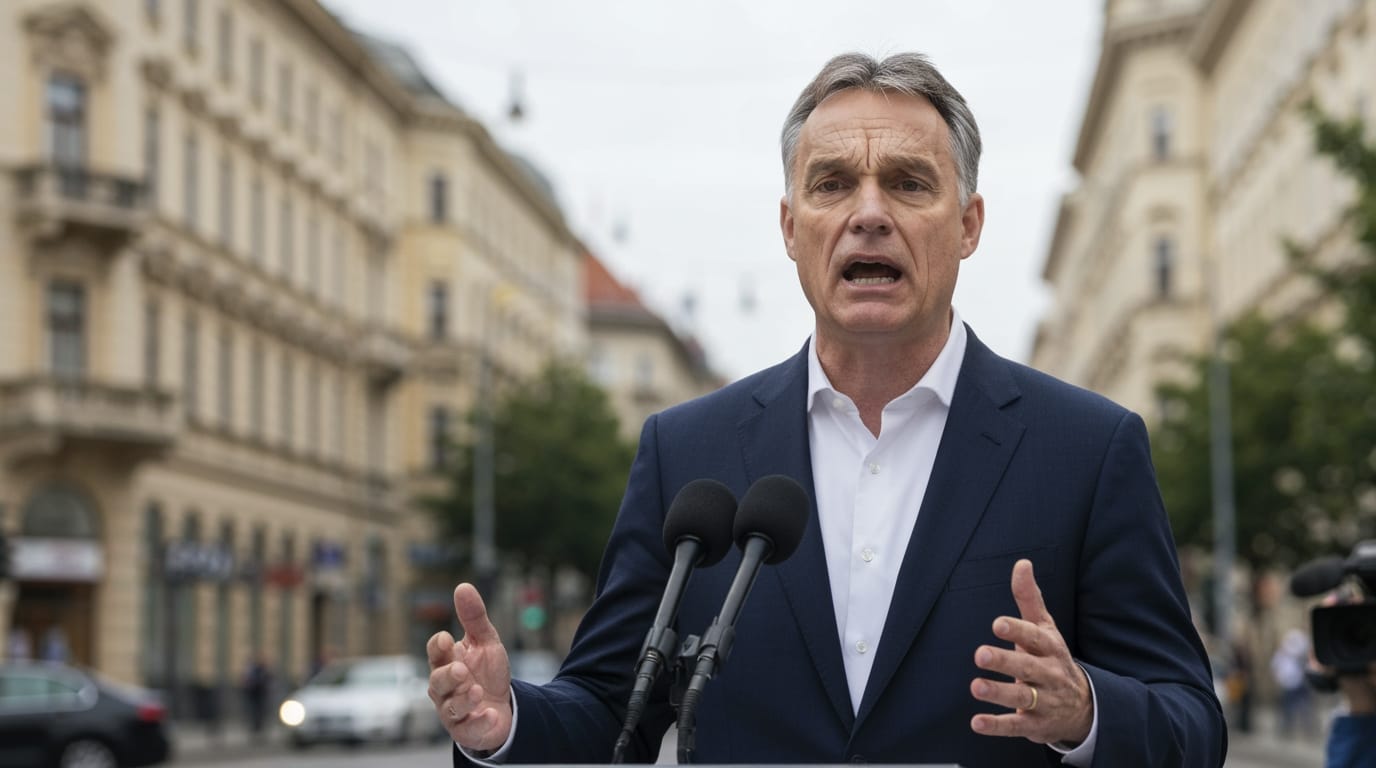
BUDAPEST, Hungary – U.S. Vice President JD Vance traveled to Budapest on April 7, 2026, offering overt support to Hungarian Prime Minister Viktor Orban ahead of a closely contested parliamentary election and delivering sharp criticism against Ukraine, accusing elements within its intelligence services of meddling in American and Hungarian electoral processes. The high-profile visit underscored a growing divergence within Western alliances and highlighted the "America First" foreign policy stance championed by Vance and his political allies.
Vance’s appearance alongside Orban, a leader often at odds with the European Union and a vocal skeptic of continued aid to Kyiv, marked a significant diplomatic intervention. His remarks, made during a joint press conference, echoed familiar Hungarian government narratives and injected fresh controversy into an already tense geopolitical landscape. The visit, just days before Hungary's April 12 elections, saw Vance actively campaigning for Orban, whose Fidesz party faced a formidable challenge from opposition figure Péter Magyar.
Accusations of Electoral Meddling and a Shift in Narrative
During his time in Budapest, Vice President Vance directly challenged Ukraine's conduct, asserting that "elements" within its intelligence services were actively attempting to "put their thumb on the scale" of both American and Hungarian elections. He characterized this alleged interference as a systemic issue, stating, "This is just what they do. This is part of the cost of doing business within some elements of their system." Vance further claimed that individuals within the Ukrainian system had been "campaigning with Democrats literally in the weeks before the presidential election" in November 2024. These allegations, which Vance did not publicly substantiate with specific evidence, represent a significant escalation in rhetoric from a high-ranking U.S. official against a nation receiving substantial American military and financial assistance. Budapest had previously made similar accusations against Kyiv, which Ukraine denied, while independent media and Hungarian opposition figures suggested Russian meddling in favor of Orban.
The comments signify a notable shift in the narrative from a segment of the U.S. political establishment, moving beyond mere skepticism about aid effectiveness to direct charges of hostile electoral intervention by Ukraine. Vance conveyed that while he recognized the complexity of Ukraine, much like the United States, he believed it was in the best interests of all parties – Ukraine, Europe, Hungary, and the U.S. – for the ongoing conflict to conclude as swiftly as possible.
Bolstering Orban and Critiquing Brussels
Beyond his criticisms of Ukraine, Vance utilized his platform in Hungary to laud Prime Minister Orban and to deliver a strong rebuke to the European Union. Vance praised Orban for "standing up for the people of Hungary" and for his role in defending "Western civilization." He drew parallels between Orban and former U.S. President Donald Trump, positioning them as leaders who have done the most to achieve peace in the war in Ukraine. This endorsement provided a significant boost to Orban's campaign, which was facing a competitive electoral environment.
Vance also accused "bureaucrats in Brussels" of overtly interfering in Hungary's internal affairs. He alleged that EU officials were actively trying to undermine Hungary's economy and energy independence, specifically referencing efforts to block billions in EU funds. Vance described this as "one of the worst examples of foreign election interference" he had ever witnessed, aligning with Orban's long-standing grievances against the bloc. Vance commended Orban's continued reliance on Russian oil and gas, presenting it as a model for energy security that other European nations should have emulated, in contrast to their "huge mistake" in reducing dependence on Russian energy.
The U.S. Vice President's criticisms of Brussels echo the sentiment of the "America First" movement, which often views multilateral institutions and foreign aid with skepticism, prioritizing national interests and bilateral relationships. This perspective aligns closely with Orban's populist and nationalistic agenda, which frequently positions Hungary against the perceived dictates of the European Union.
Broader Foreign Policy Implications
Vance's visit and his statements in Hungary are consistent with his established foreign policy views, particularly his skepticism regarding extensive U.S. involvement in the Ukrainian conflict. He has consistently argued that the United States' capacity to support Ukraine is "limited" due to domestic weapons manufacturing constraints and that a "negotiated peace" is the most realistic outcome. Vance has also suggested that Ukraine should adopt a defensive rather than offensive strategy, implying that Kyiv's stated goal of returning to 1991 borders is "fantastical."
His broader foreign policy philosophy advocates for a strategic pivot away from Europe and towards Asia, contending that competition with China represents a more pressing threat to U.S. interests. Vance has expressed views that Europe has been "subsidized" by the United States for too long and needs to assume greater responsibility for its own defense. These positions signal a potential reorientation of U.S. foreign policy priorities should Vance and his political allies gain further influence.
The visit also brought to light past contentious interactions between Vance and Ukrainian leadership. Reports indicated a heated discussion in February 2025 between Vance and Ukrainian President Volodymyr Zelenskyy, where Vance reportedly accused Zelenskyy of insufficient gratitude for U.S. assistance. This history underscores the underlying tensions that have occasionally surfaced between Kyiv and certain American political figures.
A Contested Alliance and Domestic Reactions
The timing of Vance's visit, mere days before Hungary's parliamentary elections, amplified its impact. Opposition leader Péter Magyar, who has emerged as a significant challenger to Orban, criticized any foreign interference in Hungarian elections, stating that "Hungarian history is not written in Washington, Moscow, or Brussels — it is written in Hungary's streets and squares." This sentiment highlights the sensitive nature of external endorsements in domestic political contests.
Vance's strong backing of Orban, coupled with his critique of Ukraine and the EU, could further strain relationships between the U.S. and some European allies, many of whom have maintained a firm stance against Russia's aggression and supported Ukraine. While Vance's rhetoric resonates with a segment of the American electorate and aligns with populist movements globally, it introduces complexities into international diplomatic efforts to present a united front against geopolitical challenges.
Conclusion
Vice President JD Vance's campaign visit to Hungary and his outspoken criticisms of Ukraine and the European Union represent a significant development in international relations. By directly accusing elements of Ukrainian intelligence of election interference and by vigorously campaigning for Viktor Orban, Vance has further solidified a distinct foreign policy perspective that challenges established alliances and diplomatic norms. His actions in Budapest not only provided a substantial boost to Orban's re-election efforts but also signaled a potential shift in the trajectory of U.S. foreign policy, one that prioritizes national interests and questions long-standing commitments, potentially reshaping America's role on the global stage. The implications of these pronouncements will undoubtedly reverberate through Washington, Kyiv, Brussels, and beyond, contributing to ongoing debates about the future of international cooperation and the direction of Western foreign policy.


