Violence Rages Across Central Nigeria as Attacks Claim Dozens of Lives
ABUJA, Nigeria – A fresh wave of deadly assaults has plunged communities in Nigeria's north-central region into renewed grief and fear, with at least 20 people killed in attacks on villages in Niger State this week, according to residents. This latest violence follows closely on the heels of another devastating strike in Plateau State just over a week prior, where residents reported a similar death toll from a nighttime raid. The recurrent bloodshed underscores a deepening security crisis in central Nigeria, a region perpetually ensnared in a complex web of farmer-herder conflicts, banditry, and ethno-religious tensions that continue to claim innocent lives and displace thousands.
The most recent incident occurred in the early hours of Tuesday, April 7, 2026, when gunmen on motorbikes stormed the villages of Bagna and Erena in Niger State's Shiroro area. Residents described a sudden and brutal assault, with attackers shooting indiscriminately and raiding homes for hours. Jibrin Isah, an Erena resident, recounted the surprise nature of the attack, which began in the morning. While residents asserted that more than 20 people were killed and others were missing, local police have officially reported a lower casualty count of three, specifically two vigilante members and a driver from a joint security team. This discrepancy between official and community figures is a recurring theme in reports from the volatile region.
Just days before, on Sunday, March 29, 2026, a separate night attack devastated the Gari Ya Waye community in the Jos North area of Plateau State. Here, too, residents claimed at least 20 people were killed by numerous gunmen also operating on motorbikes. Joyce Lohya Ramnap, Plateau State's Commissioner for Information, acknowledged a "loss of lives" and injuries but did not provide specific casualty numbers in her statement. Following the attack, state authorities imposed a 48-hour curfew in parts of Jos to mitigate further violence. Other reports from the Palm Sunday period indicate a higher toll, with some sources claiming between 27 and 30 fatalities in the Ungwan Rukuba community, also in Jos North Local Government Area of Plateau State. Human Rights Watch additionally reported over 28 people killed and many injured in the Angwan Rukuba community on March 29, with attackers firing indiscriminately as people fled.
A Region Plagued by Interlocking Conflicts
The consistent eruption of violence in Nigeria's north-central region, often referred to as the Middle Belt, stems from a multifaceted and long-standing conflict. At its core are deeply entrenched disputes over land and grazing rights between predominantly Muslim Fulani herders and largely Christian farming communities. These clashes are exacerbated by environmental factors, particularly the desertification of northern Nigeria, which pushes nomadic herders southward into agricultural lands, intensifying competition for dwindling resources.
Beyond the farmer-herder dynamic, criminal gangs, often referred to as bandits, have capitalized on the pervasive insecurity, engaging in killings, kidnappings for ransom, and widespread destruction. While no group has officially claimed responsibility for the most recent attacks in Niger and Plateau states, such incidents are frequently attributed to these armed groups, including Fulani militia. Historically, extremist groups like Boko Haram, primarily active in the northeast, have also carried out attacks in Plateau State, adding another layer of complexity to the region's security challenges. The convergence of these actors has created a volatile environment where communities are constantly vulnerable to assault.
The Devastating Human Toll
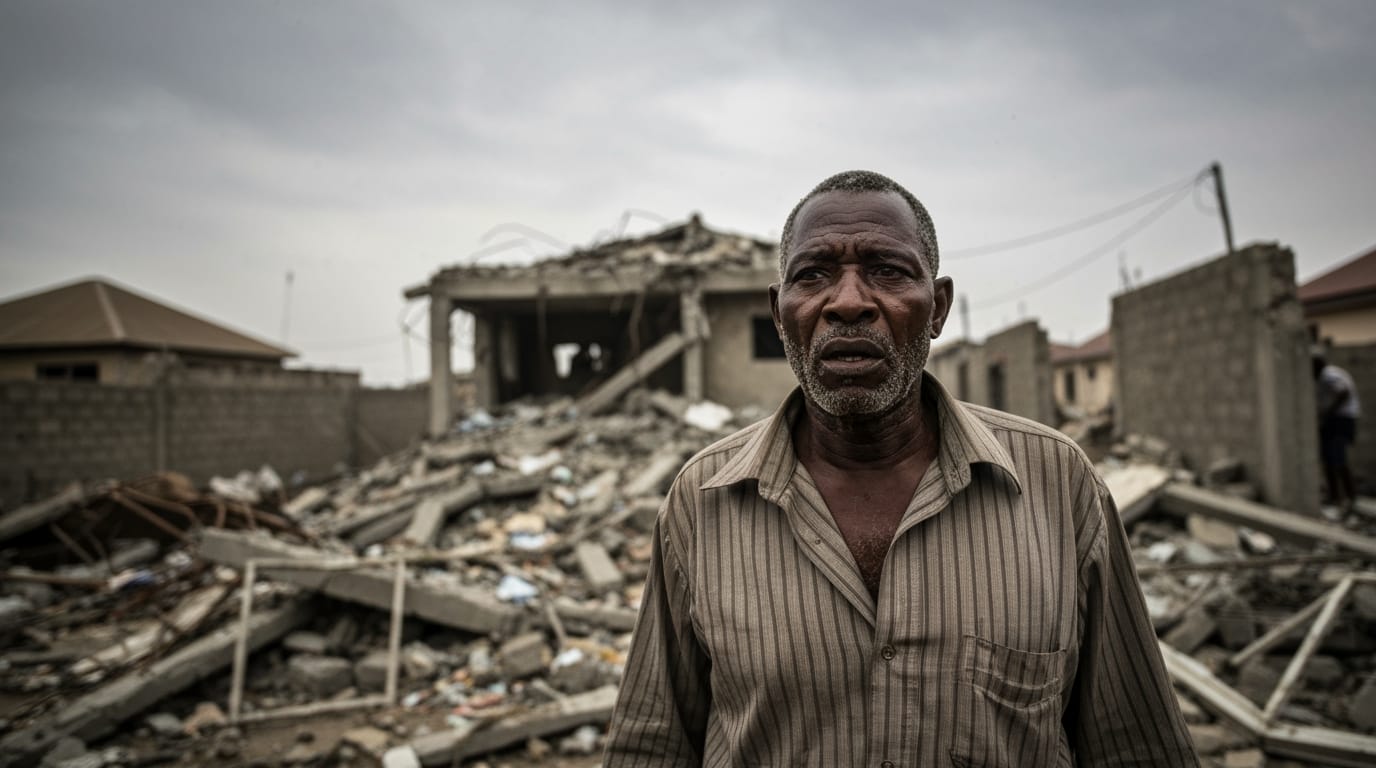
For residents of the affected areas, the violence represents an ongoing nightmare of loss and displacement. The attacks result in tragic fatalities, numerous injuries, and the widespread destruction of homes and livelihoods, forcing countless individuals to flee their ancestral lands. Communities are left in a perpetual state of heightened fear and anxiety, with even routine activities like farming or attending religious services becoming perilous. Recent Easter celebrations, a significant period for Christian communities in the region, were tragically marred by a series of coordinated attacks across Benue, Kaduna, and Nasarawa states, claiming dozens more lives. These incidents frequently target areas with limited security infrastructure, where remoteness and challenging terrain impede rapid response from security forces.
The cyclical nature of the violence means that communities are often unable to recover before another tragedy strikes. Survivors are left to grapple with immense grief, trauma, and the daunting task of rebuilding their lives amidst persistent threats. Human interest elements are stark; one local official described the recent Easter attacks as "devastating," questioning how people could prepare for farming season in such an environment.
Persistent Calls for Enhanced Security and Accountability
In the wake of these relentless attacks, there are growing calls for more effective government intervention and accountability. Authorities are frequently criticized for their perceived failure to protect vulnerable communities, bring perpetrators to justice, and address the underlying causes of the conflict. While governors and officials often condemn the "barbaric and unprovoked" attacks and promise to apprehend culprits, community leaders and affected residents express frustration over the lack of tangible results.
Some criticisms highlight a lack of action despite prior intelligence or threats. Others point to a need for changed tactics from security agencies, with governors expressing frustration that despite military deployments, arrests of attackers are rare. The lack of consistent accountability fuels a cycle of impunity, allowing the violence to persist and escalate. Analysts suggest that the ongoing insecurity in the Middle Belt, alongside the Boko Haram insurgency in the northeast and banditry in the northwest, now constitutes one of Nigeria's deadliest security threats.
The recent surge in fatalities across Nigeria's central states serves as a stark reminder of the urgent need for comprehensive and sustained strategies to address the deeply rooted security challenges. Without stronger protection for civilians, genuine accountability for crimes committed, and concerted efforts to resolve the socio-economic and environmental drivers of conflict, the cycle of violence is likely to continue, leaving more communities in despair and the nation grappling with an enduring humanitarian crisis.


