Germany Navigates a Turbulent 2026: From Ukrainian Reconstruction to Shifting U.S. Sands
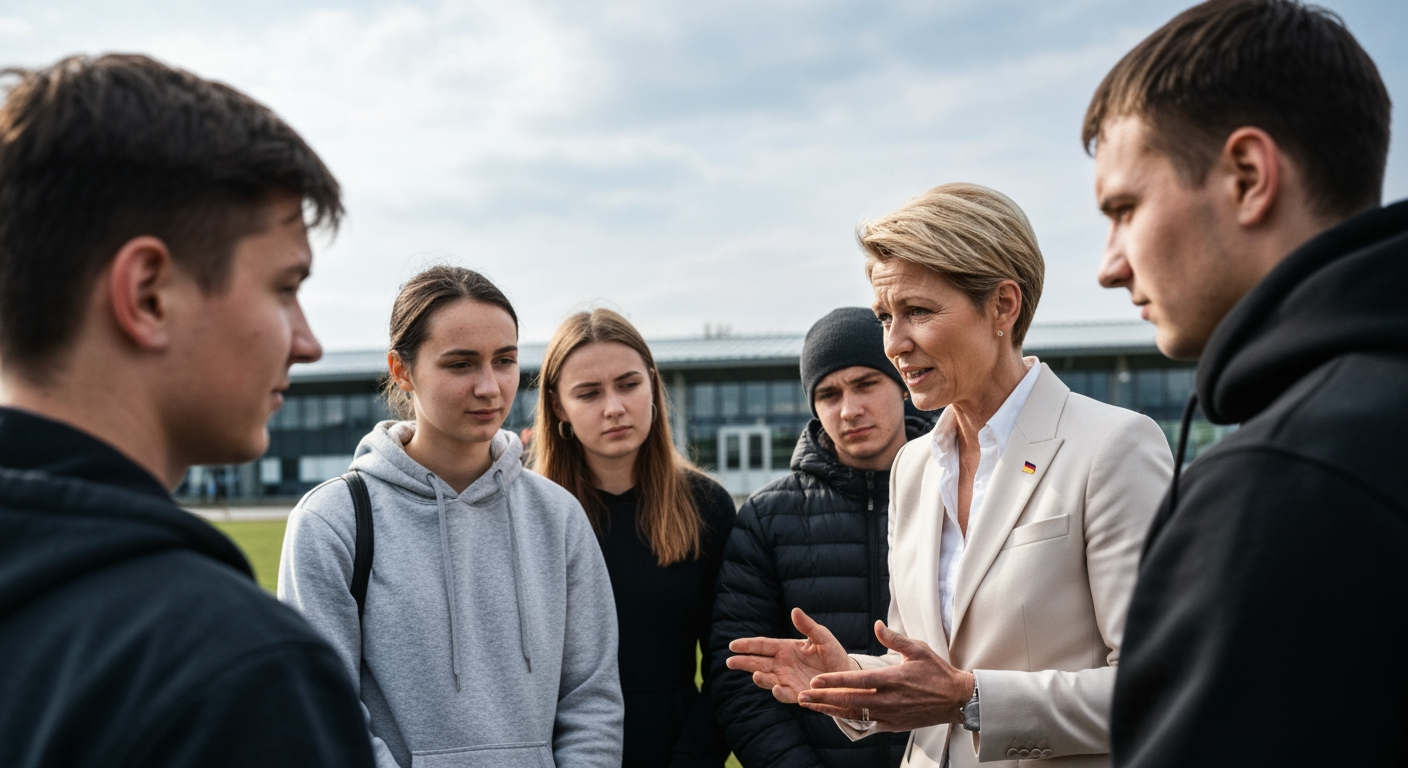
Berlin finds itself at a pivotal juncture in 2026, confronting a complex array of foreign policy challenges that stretch from the ongoing conflict in Ukraine to an evolving, unpredictable relationship with the United States. Under Chancellor Friedrich Merz, Germany has embarked on a significant realignment of its global posture, marked by dramatically increased defense spending, deepened commitment to European security, and a nuanced approach to global economic partnerships. The nation’s strategic choices in the coming year are poised to redefine its role on the international stage, demanding robust diplomacy and adaptable policies amidst a volatile geopolitical landscape.
Enduring Commitment to a Rebuilding Ukraine
The war in Ukraine continues to dominate Germany's foreign policy agenda, with Berlin cementing its role as a leading European supporter of Kyiv's defense and eventual reconstruction. In 2026, Germany plans to launch a European flagship fund, in collaboration with partners, specifically for Ukraine's reconstruction. This initiative aims to draw substantial private investment, acknowledging that significant capital beyond state funding will be crucial for sustainable recovery. German Chancellor Friedrich Merz has underscored the importance of investing in Ukraine's future, urging German and European companies to expand their business connections in the war-torn nation.
Financial aid remains a cornerstone of German support. Germany has pledged over €11 billion in aid to Ukraine for 2026, reinforcing its position as the largest European contributor of military assistance, having provided approximately €40 billion since Russia's full-scale invasion in 2022. An additional €3 billion is specifically earmarked for military provisions, including artillery, drones, armored vehicles, and the replacement of Patriot air defense systems already supplied. Germany's Foreign Minister Johann Wadephul has starkly warned that a failure to support Ukraine could leave Germany vulnerable to Russian aggression, emphasizing Berlin’s resolve to stand by Kyiv. Beyond immediate aid, Germany is advocating for a comprehensive peace that preserves Ukraine's sovereignty, backed by substantial guarantees from the U.S. and Europe, and supports Ukraine’s eventual accession to the EU free trade area. This long-term vision includes efforts to secure additional financial assistance from G7 and European partners, potentially through a reparations-style loan leveraging frozen Russian assets.
Redefining the Transatlantic Partnership and Defense Posture
Germany's relationship with the United States faces considerable uncertainty in 2026, particularly in the aftermath of the 2024 U.S. presidential election. Berlin is grappling with a "new unpredictability" in transatlantic ties, as articulated by German Defence Minister Boris Pistorius. A potential second administration led by Donald Trump is anticipated to heighten trade tensions, introduce new tariffs, and could potentially lead to a reduction in U.S. security guarantees for Europe, pushing Germany to reconsider its strategic autonomy within NATO. German public sentiment towards the U.S. has notably soured, with fewer Germans viewing the U.S. as a reliable partner on critical international issues, including the war in Ukraine and relations with China.
In response to this evolving security landscape and consistent pressure from the U.S. for greater European burden-sharing, Germany has initiated a historic overhaul of its defense capabilities. The 2026 defense budget is projected at €83 billion, marking an unprecedented 32% increase from 2025. This significant boost, enabled by exempting defense outlays from constitutional debt limits, aims to modernize the Bundeswehr, expand its personnel by 10,000 soldiers, and transform it into Europe's most formidable conventional military force. Combined with funds from a special endowment, total defense spending for 2026 surpasses €108 billion, positioning Germany to meet NATO's target of spending 3.5% of GDP on core defense requirements well ahead of schedule. This strategic shift, driven by the "disruptive security environment" and Russia's aggression, underscores Germany's commitment to playing a more prominent role in European and transatlantic security. Furthermore, in December 2025, Germany passed legislation to increase its forces by nearly 50%, introducing a system in 2026 requiring 18-year-old men to register for potential military service.
Navigating EU Leadership and Internal Dynamics
Within the European Union, Germany's enhanced military and financial contributions are matched by a more assertive leadership role. Berlin is actively mobilizing the bloc against the perceived threat from Russia, advocating for greater EU cohesion and a unified foreign policy stance. The EU itself faces considerable challenges in 2026, including efforts to rearm member states, manage economic stability, and push forward with enlargement initiatives. A 10-point reform plan for Ukraine, focusing on strengthening foundational elements, is slated for implementation in 2026 as part of the EU's enlargement agenda.
However, Germany's internal political landscape presents its own complexities. The rise of right-wing populist parties, such as the Alternative for Germany (AfD), continues to exert pressure on the centrist government. The AfD's criticisms of increased defense spending and aid to Ukraine, often framed as squandering German wealth, resonate with segments of the electorate amidst economic anxieties. These domestic political currents could complicate policy-making, especially as Germany also faces budgetary realities that have led to cuts in traditional development aid budgets, redirecting funds towards Ukraine and defense spending. Despite these challenges, Germany maintains a consistent European policy, advocating for substantive and reciprocal EU-China relations and emphasizing the need for increased EU unity in its approach to Beijing.
Economic Resilience in a Multipolar World
Germany's economic stability and competitiveness are central to its foreign policy strength, particularly in 2026. A key domestic priority is ensuring energy security while advancing its ambitious energy transition. The nation requires rapid legislative action to secure new gas electricity generation capacity as it phases out coal, aiming for 25 gigawatts (GW) of controllable power plant capacity by 2030, primarily through hydrogen-capable gas-fired power plants. The expansion of renewable energy sources remains paramount, with renewables accounting for 58% of Germany's electricity generation in 2025.
Globally, Germany's economic relationship with China is undergoing a significant re-evaluation. China emerged as Germany's largest trading partner in 2025, surpassing the U.S., reflecting deep economic interconnections, particularly in advanced manufacturing and technology. However, this partnership is increasingly viewed through the lens of competition and systemic rivalry, marked by concerns over human rights, economic matters, and the adherence to international law. German companies face challenges such as market distortions and intense competition within China. In response, Germany is strategically diversifying its trade relations, exploring partnerships with Gulf States and countries in the Asia-Pacific region to reduce economic exposure and build resilience. Despite a struggling economy that has faced headwinds since the COVID-19 pandemic and the energy crisis, a substantial fiscal package and strategic investments are projected to boost Germany's growth in 2026.
In 2026, Germany stands at a crossroads, navigating a volatile global landscape shaped by the persistent conflict in Ukraine, the shifting dynamics of transatlantic relations, and the imperative of economic resilience. Berlin’s assertive foreign policy, characterized by increased military spending and robust engagement within the EU, underscores a strategic imperative to protect its interests and uphold European stability. While internal political challenges and external economic pressures remain, Germany’s commitment to multilateralism, strategic partnerships, and a proactive defense posture positions it to play a critical, albeit complex, leadership role in shaping the future of global order.
Sources
- odessa-journal.com
- pravda.com.ua
- aa.com.tr
- 933thedrive.com
- realinstitutoelcano.org
- freiheit.org
- foreignpolicy.com
- aa.com.tr
- pewresearch.org
- nordicdefencereview.com
- atlanticcouncil.org
- dsei.co.uk
- cepa.org
- auswaertiges-amt.de
- europeannewsroom.com
- ecfr.eu
- almendron.com
- theguardian.com
- cleanenergywire.org
- cleanenergywire.org
- uni-koeln.de
- uni-koeln.de
- china-briefing.com
- merics.org
Related Articles


DR Congo Embraces New Peace Roadmap Amidst Lingering Conflict and Cautious Optimism
GENEVA, Switzerland – The Democratic Republic of Congo (DRC) and the M23 armed group have forged a new roadmap for peace talks, raising cautious hopes that a protracted and devastating conflict, which has displaced...


Iran's Protests: A Nation's Cry Met with 'Shooting to Kill' Response
The streets of Iran have, for years, echoed with the cries for freedom and justice, yet these pleas have been met with a brutal and often lethal response from the state's security apparatus. Accounts from victims and...

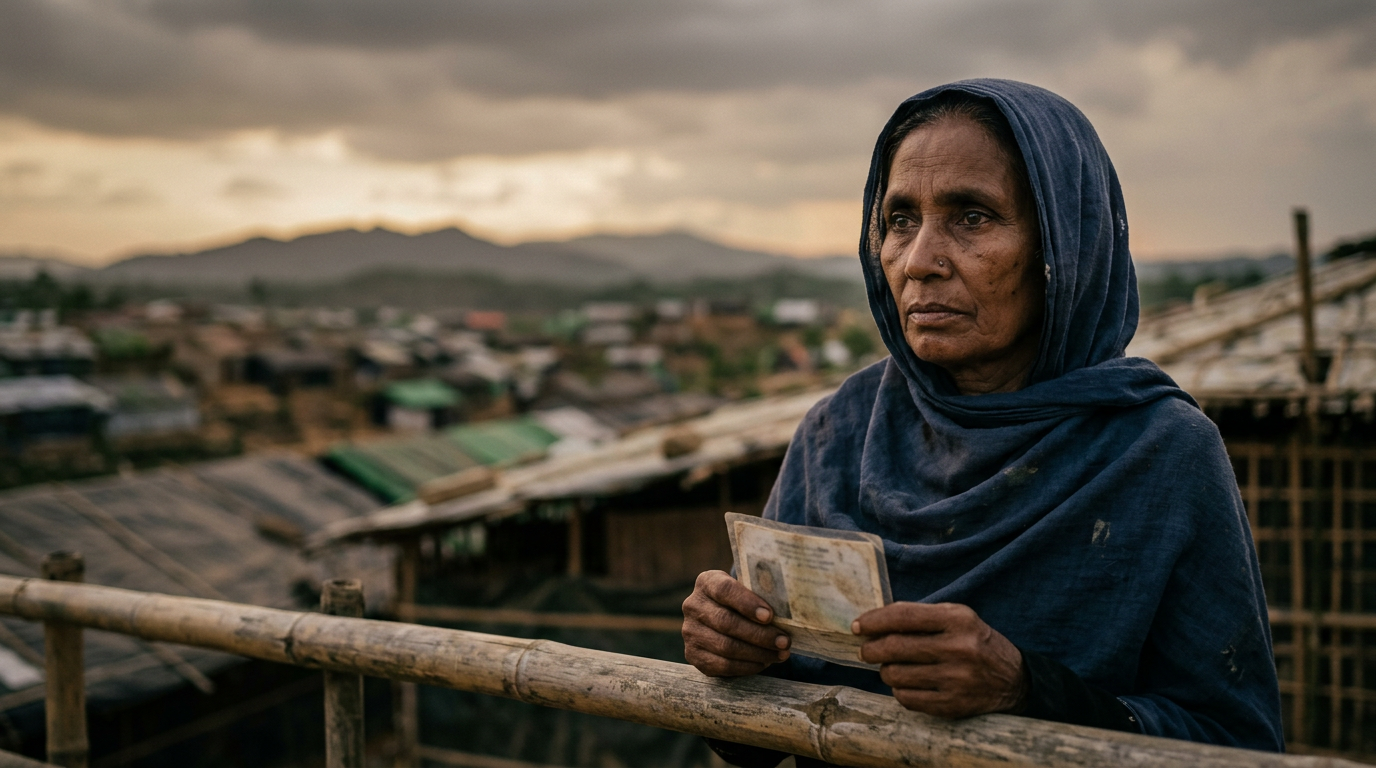
Rohingya's Long Road Home: A Crisis of Citizenship, Safety, and Stalled Repatriation
COX'S BAZAR, BANGLADESH – Nearly a decade after the most significant exodus of Rohingya Muslims from Myanmar, over one million refugees remain stranded in sprawling, overcrowded camps in Bangladesh, their hopes for a...