Germany Navigates Complex Path for Syrian Refugee Returns Amid Shifting Realities
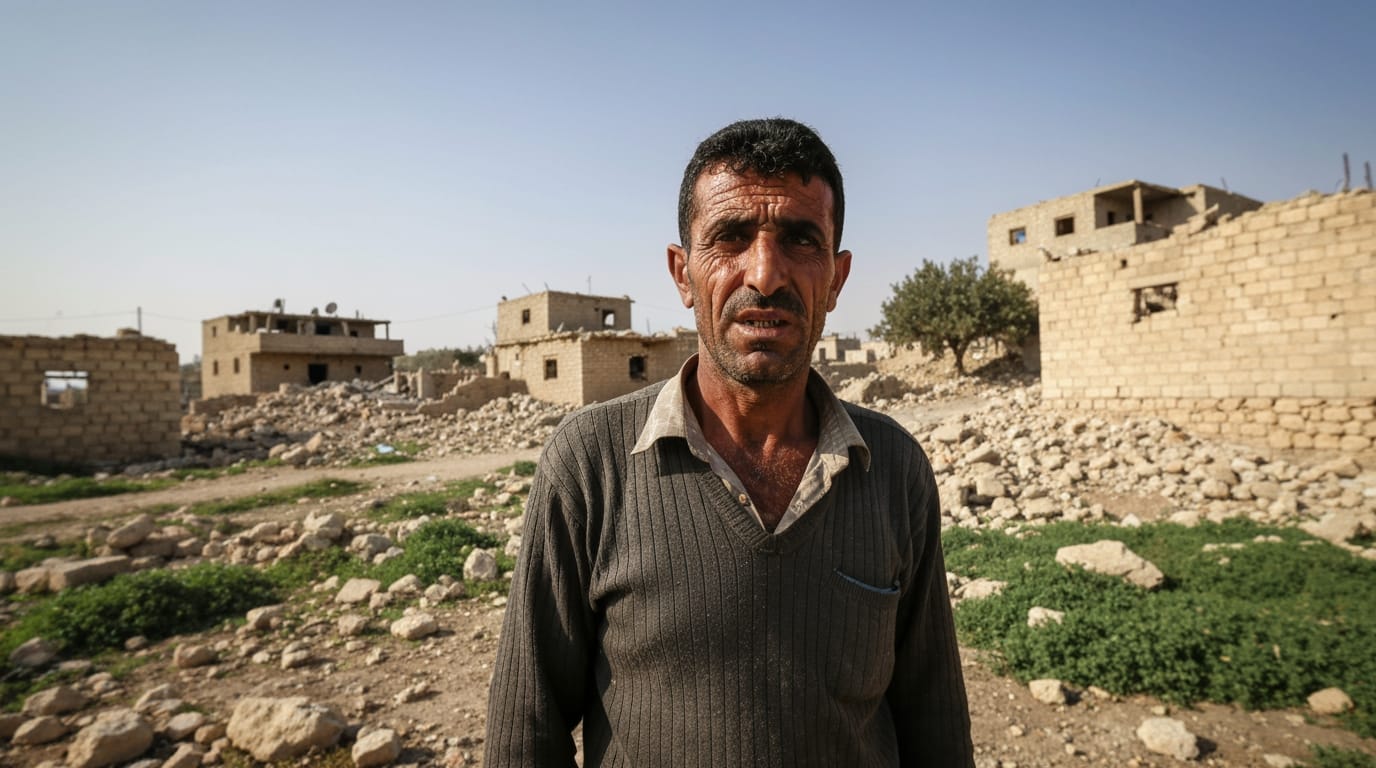
BERLIN – Nearly a decade after Germany opened its borders to hundreds of thousands of Syrians fleeing civil war, the nation is now actively pursuing strategies to encourage their voluntary return. This policy shift, spurred by evolving political landscapes in both Germany and Syria, including the recent fall of the Assad regime, signals a complex balancing act between humanitarian principles, integration challenges, and domestic political pressures. The German government is employing a mix of financial incentives and diplomatic overtures, even as humanitarian organizations voice significant concerns about the enduring instability and dangers within Syria.
A Decade of Transformation: From Welcome to Reassessment
Germany emerged as a primary destination for Syrian refugees during the 2015 migration crisis, famously encapsulated by then-Chancellor Angela Merkel's declaration, "We can do this!" This period saw over a million migrants, predominantly Syrians, welcomed into the country, marking a pivotal moment in Germany's modern history. Today, approximately 955,000 Syrian nationals resided in Germany as of July 2025, with the broader population of individuals with Syrian roots estimated at around 1.28 million in 2023, making them the largest Syrian diaspora outside the Middle East.
However, the initial fervor of welcome has since given way to a more pragmatic and, at times, more stringent approach to migration policy. Political sentiment in Germany has shifted, partly fueled by the rise of far-right parties and growing public discourse on integration and the costs associated with supporting a large refugee population. Incidents, such as a deadly knife attack in Solingen in August 2024 by a Syrian national whose asylum case had been rejected, intensified calls from top government figures, including Chancellor Olaf Scholz, for a review of deportation policies, particularly for criminals.
A significant turning point occurred in December 2024 with the unexpected fall of the Bashar al-Assad regime. This event prompted an immediate reassessment of the situation in Syria by German authorities. Within hours of the regime's collapse, Germany's Federal Office for Migration and Refugees (BAMF) froze the processing of Syrian asylum applications, citing an "unclear and unpredictable political situation" that would render asylum decisions "on shaky ground." Chancellor Friedrich Merz, whose conservative CDU party has adopted a tougher stance on migration, stated in November 2025 that "The civil war in Syria is over. There are no longer any grounds for asylum in Germany, and therefore we can begin repatriations." He added that he expected many Syrians to return voluntarily and contribute to rebuilding their country.
Incentivizing Return: Financial Aid and Diplomatic Channels
In line with this evolving policy, the German government has intensified its efforts to encourage voluntary returns through various programs and diplomatic engagements. Financial incentives are a cornerstone of this strategy, offering significant support to those who choose to leave. Under existing programs, adult returnees can receive up to €1,000 in initial assistance, while minors are eligible for €500. Families can receive up to €4,000. These funds are supplemented by travel allowances and, if needed, medical support of up to €2,000. The Federal Office for Migration and Refugees (BAMF) administers these voluntary return programs, including the REAG/GARP initiative, which covers travel costs and provides financial aid.
Statistics indicate a growing trend in voluntary returns. In 2025, 16,576 refugees utilized state-funded return programs to their home countries or third countries, marking a significant 60% increase from 2024. Specifically for Syria, nearly 6,000 individuals applied for voluntary return in 2025, with 3,678 having already departed by the end of that year. Since the fall of the Assad regime in December 2024, approximately 4,000 Syrian refugees had returned from Germany by August 2025, with nearly a quarter of them receiving grants under the voluntary return program.
Diplomatic efforts are also underway. In April 2025, the German Interior Ministry announced that the Syrian government had given preliminary approval for the return of Syrian refugees residing in Germany. While German Interior Minister Nancy Faeser clarified that this agreement did not include concrete plans or timelines for mass deportations due to Syria's "unpredictable and volatile" conditions, it signals an opening for structured returns, particularly for criminals and individuals deemed security threats. Chancellor Merz was scheduled to meet with Syrian President Ahmed al-Sharaa in Berlin in January 2026 to discuss the political transition in Syria and the return of migrants.
Furthermore, there is an ongoing discussion about allowing Syrians in Germany to visit their homeland temporarily without jeopardizing their protected residency status. This initiative aims to enable individuals to assess conditions, check on properties, and reconnect with relatives, potentially fostering long-term, sustainable returns.
The Persistent Peril: Concerns and Opposition
Despite the German government's push, the prospect of widespread returns is fraught with challenges and has drawn strong criticism from humanitarian organizations and some political factions. Critics emphasize that, despite the change in leadership, Syria remains far from safe or stable. Reports consistently highlight ongoing violence, severely destroyed infrastructure, and a critical lack of basic services like electricity, water, and healthcare across large parts of the country. The United Nations estimates that 16 million people in Syria are in need of humanitarian assistance, and the economy remains shattered, with 90% of the population living in poverty.
Human rights organizations warn that premature returns could expose individuals to significant dangers, including the risk of torture, forced conscription, and persecution, especially for those with political activism records or from specific ethnic and religious minorities. The principle of non-refoulement, which prohibits states from returning individuals to countries where they face such threats, remains a critical international legal standard. EU Commissioner Magnus Brunner underscored this point in February 2026, stating that "Syria is still considered an unsafe country under EU rules," and that the region is "not yet at a stage of stability... that would allow for large-scale deportations."
Within Germany, the Left Party and various humanitarian aid groups have condemned the debate around mass returns as "completely inappropriate at this time" and detached from the realities on the ground. There are also pragmatic concerns about the potential impact on Germany's own economy. Many Syrians have integrated into the workforce, with statistics from the Institute for Employment Research indicating that 61% of adult Syrians in Germany are employed, many in sectors facing acute staff shortages, such as healthcare. A large-scale exodus could create significant skill gaps.
Syrian Perspectives and the Road Ahead
For many Syrians in Germany, the decision to return is deeply personal and complex. While some express a desire to rebuild their homeland, fears of insecurity, lack of economic opportunities, and the absence of a clear path to a stable future often outweigh the incentives. Many have established new lives, learned German, and contributed to their new communities, with a significant number even gaining German citizenship. The abrupt shift in Germany's asylum policy, including rising rejection rates for protection status, has created uncertainty and frustration among those who fled unimaginable circumstances.
The current policy discussions reflect a broader European trend of re-evaluating asylum policies as the initial crisis subsides and domestic political landscapes evolve. While Germany maintains its commitment to voluntary returns, the complexities of the situation in Syria necessitate a cautious and nuanced approach. Diplomatic efforts, such as those involving Germany, Turkey, and Lebanon to coordinate returns and reconstruction, highlight the international dimension of this challenge.
The path forward will undoubtedly involve ongoing negotiation between Germany's desire to manage migration flows and its international obligations to protect vulnerable populations. The debate continues to underscore the critical need for a stable and secure Syria, where voluntary, safe, and dignified returns can genuinely be realized, rather than driven by external pressures. Until such conditions are unequivocally met, the thousands of Syrians who sought refuge in Germany will remain at the heart of a profound and unresolved humanitarian and political dilemma.


