Germany Reimagines Development: Forging Equitable Partnerships in a Multipolar Global South
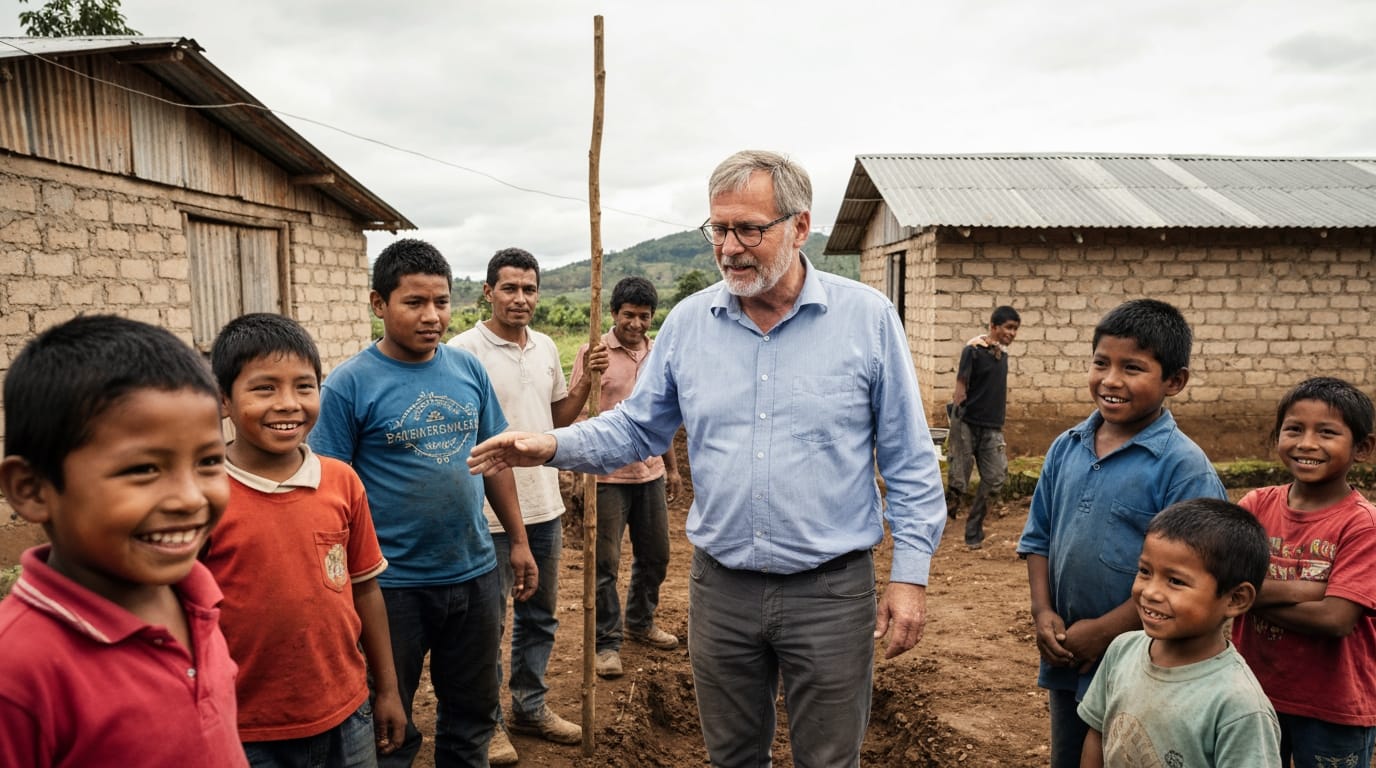
German development policy is undergoing a profound transformation, moving away from traditional donor-recipient dynamics to embrace a model of mutual respect and shared interests with countries across the Global South. Driven by a recognition of a multipolar world and urgent global challenges, Berlin's strategy now emphasizes collaborative solutions in critical areas from climate action to economic development, reflecting a more strategic and partnership-based approach to international cooperation. This shift acknowledges the growing influence of countries in Asia, Africa, and Latin America, which are increasingly demanding equal rights within the international community.
The Evolving Landscape of German Development Cooperation
The foundation of Germany's development cooperation has long been rooted in the principle of international solidarity, tracing back to figures like former Chancellor Willy Brandt, who advocated for a world where rich and poor nations would rise or fall together. Today, this legacy is evolving, with the Federal Ministry for Economic Cooperation and Development (BMZ) at the helm, developing guidelines and fundamental concepts aimed at improving living conditions in developing countries and emerging economies. The current policy stresses mutual respect, reliability, and honesty, moving beyond a conventional donor-recipient relationship to foster genuine partnerships that benefit all involved. Germany's development policy is not only implemented by the BMZ but also involves the Federal Foreign Office, other federal ministries, and a diverse range of actors including states, municipalities, implementing organizations, civil society, and the private sector, collectively strengthening its reach and impact.
Pillars of Partnership: Strategic Priorities and Thematic Focus
Germany's development strategy is built upon several core objectives designed to address pressing global challenges. Central among these is the eradication of poverty and hunger, alongside efforts to reduce inequalities, ensure global health, and facilitate climate change mitigation and adaptation. Gender equality is another cornerstone, manifested in Germany's "feminist development policy," which seeks to empower women and girls by advocating for their equal rights, resources, and representation, thereby enabling them to fulfill their potential for the benefit of societies worldwide.
Climate action has emerged as a particularly critical area of focus. Germany is committed to working with countries disproportionately affected by climate change, including Small Island Developing States, to develop climate-resilient solutions for agriculture, urban development, and sustainable energy systems. The country aims to increase its international climate financing to 6 billion euros annually by 2025 and supports initiatives like the Global Shield against Climate Risks. This commitment underscores the understanding that climate change knows no borders and requires cooperative, globally just solutions.
Furthermore, German development policy increasingly integrates economic diplomacy. Recognizing the role of the private sector in reducing poverty and boosting economies, the BMZ supports civil society and private sector involvement in development initiatives. This includes promoting fair supply chains, digitalization, technology transfers, and private investment. The new approach emphasizes that partnerships must generate benefits for both partner countries and the German and European economies, marking a shift towards shared economic resilience and mutual interest.
Partnerships in Action: Regional Engagements and Concrete Initiatives
Germany's development cooperation extends across various regions of the Global South, with Africa designated as a primary focus, followed by Asia and the Middle East. This regional emphasis is reflected in numerous concrete initiatives.
In Africa, Germany has been a significant partner in promoting a just energy transition. For instance, it has contributed over 1.1 billion euros to the Just Energy Transition Partnership (JETP) in South Africa, working with other international partners to support the country's shift from coal-dependent energy to renewables. This cooperation also extends to promoting vaccine production in countries like South Africa, Ghana, and Senegal, and supporting vocational training and good governance. Germany is also fostering green hydrogen alliances with countries such as Namibia and Morocco, aiming to secure sustainable raw material value chains. In South Sudan, Germany has provided substantial humanitarian and long-term development support, including over $200 million to World Food Programme activities since 2021, addressing food insecurity, promoting education, health, livelihoods, and preventing gender-based violence.
In Asia, German development policy addresses widening income inequality and the setback in poverty reduction exacerbated by the COVID-19 pandemic. Key areas of cooperation include supporting decent job creation, expanding social protection systems, ensuring minimum social and environmental standards, and promoting fair supply chains. Specific cornerstones for cooperation with Asia encompass gender equality, socially inclusive climate-compatible development, technical and vocational training in green industries, social protection, and biodiversity preservation. Green hydrogen alliances have also been forged with countries like Chile in Latin America.
Germany's commitment to multilateralism is evident in its coordination with partner countries worldwide and its alignment with the United Nations Sustainable Development Goals (SDGs). It actively engages in international forums such as the G7 and G20 to strategically align its development policy priorities and foster cooperation based on reciprocity and respect.
Navigating Challenges and Future Directions
Despite its robust commitments, German development policy faces evolving challenges. Budgetary pressures, particularly potential cuts to Official Development Assistance (ODA) in 2025 due to increased defense spending to meet NATO commitments, have raised concerns among humanitarian organizations regarding the undermining of long-standing global development efforts. Germany was the second-largest ODA provider globally in 2024, making these potential cuts a significant development.
The increasingly multipolar world, marked by geopolitical rivalries and growing transactionalism, necessitates that Germany identifies and cultivates reliable partners in the Global South. To this end, a Commission "A Changing World – Germany and the Global South" has been formed to offer recommendations for strengthening these relationships. These recommendations include strategically aligning development cooperation, developing attractive cooperation concepts spanning trade, investment, energy, infrastructure, raw materials, and climate, scaling private investment, managing labor migration, facilitating debt restructuring, and promoting international carbon markets.
Looking ahead, Germany is actively shaping a new global forum, the Hamburg Sustainability Conference, aimed at bringing together governments, the private sector, and civil society from both the Global North and South. The conference seeks to collaboratively develop solutions for sustainable development and a more equitable financial architecture. This initiative highlights Germany's role as a bridge-builder, fostering international cooperation even amidst growing global mistrust and conflict.
Conclusion
German development policy stands at a pivotal juncture, consciously adapting to a complex and rapidly changing global landscape by fostering genuine, mutual partnerships with the Global South. The shift from a traditional aid paradigm to one of shared interests and reciprocal benefits reflects a pragmatic understanding of global interconnectedness. By prioritizing collaborative solutions in areas such as climate action, gender equality, and economic development, and by actively engaging with a diverse array of partners and stakeholders, Germany aims to secure a more stable, equitable, and prosperous future. This strategic evolution underscores the belief that lasting global prosperity and security are achievable only through concerted international cooperation and a deep commitment to shared goals.


