Germany Secures Key Stake in European Tankmaker KNDS Amidst Reshaping Defense Landscape
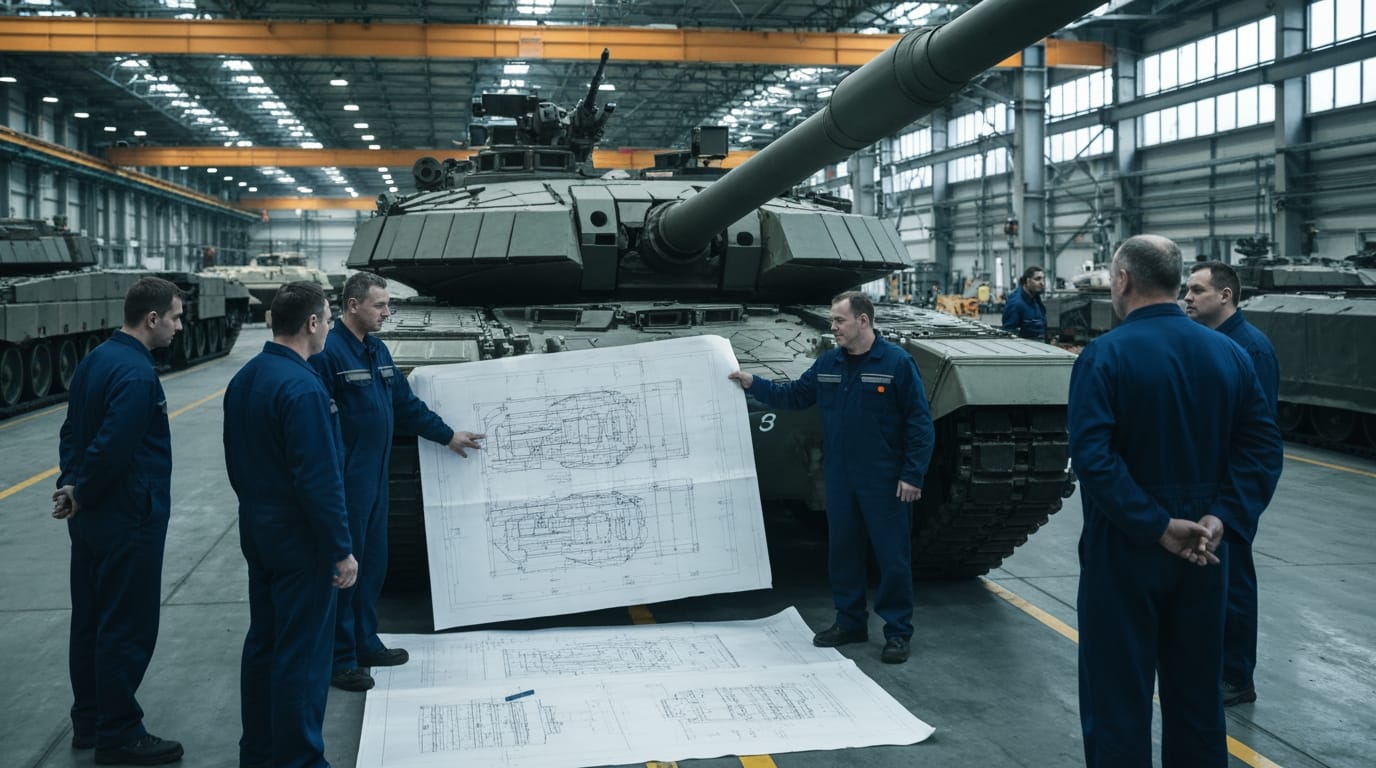
Berlin has finalized a significant agreement to acquire a 40% stake in KNDS, the Franco-German defense industrial giant responsible for producing the Leopard 2 and Leclerc main battle tanks. This strategic move, which positions Germany as an equal shareholder with France in one of Europe's most critical defense manufacturers, is poised to reshape the continent's defense capabilities and industrial policy ahead of KNDS's anticipated initial public offering (IPO). The decision underscores a profound shift in European security priorities, driven by escalating geopolitical tensions and a concerted effort to enhance regional industrial sovereignty.
The landmark deal sees the German federal government, through its state-owned development bank KfW, purchasing its share from the private German family holdings that previously owned half of KNDS. France, which currently holds a 50% stake in the company, is expected to reduce its ownership to match Germany's 40%, creating a balanced ownership structure with the remaining 20% to be floated in a dual listing on the Frankfurt and Paris stock exchanges. This alignment in governmental control aims to streamline strategic decision-making and foster deeper cooperation between the two European powerhouses in land defense systems.
A Unified Front for European Security
The rationale behind Germany's substantial investment is multifaceted, primarily centered on securing strategic influence and strengthening Europe's defense industrial base. The move is explicitly designed to ensure German oversight and direct involvement in the production of vital armored vehicles and artillery. This strategic participation is intended to safeguard national security interests, protect key technological know-how, and preserve jobs within Germany's critical defense sector.
For years, France has maintained direct state involvement in its defense industries, viewing them as essential sovereign capabilities. Germany's entry as an equal partner in KNDS aligns with this perspective, marking a significant policy evolution for Berlin, which has traditionally limited direct state ownership in such critical sectors. This shared commitment is expected to foster greater cohesion in future European defense initiatives, which have historically faced challenges due to differing national interests and industrial priorities.
The Geopolitical Imperative and Market Dynamics
The timing of Germany's investment is a direct response to the evolving geopolitical landscape, particularly the ongoing conflict in Ukraine and the persistent security threats emanating from Russia. European nations are engaged in a widespread rearmament drive, necessitating a robust and reliable defense industry. The agreement to bolster KNDS, a major supplier of advanced military hardware, is thus framed as an essential step in expanding Europe's industrial capacity to meet these growing defense demands.
Moreover, the investment reflects a broader continental re-evaluation of security guarantees, particularly concerning the reliability of external allies. This shift suggests a growing determination within Europe to control its own security destiny and reduce reliance on non-European defense suppliers. KNDS, with its Franco-German roots and extensive product portfolio including the Leopard and Leclerc tanks, Puma infantry fighting vehicles, and Caesar howitzers, stands at the epicenter of this rearmament cycle. The company reported robust financial performance in 2025, with revenues reaching €4.4 billion and a record order backlog of €33.1 billion, underscoring its pivotal role in the burgeoning defense market.
Governance and the Path to Public Listing
A core element of the agreement between France and Germany is the establishment of equal governance rights within KNDS. This ensures that both nations will have comparable influence over the company's strategic direction, production sites, and overall operational framework, even if Germany eventually reduces its stake. While Germany initially plans to hold 40%, there is an intention to potentially reduce this to 30% within two to three years post-IPO, contingent on France doing the same, while maintaining parity in influence. This meticulously structured governance aims to prevent friction over critical decisions and ensure long-term stability for the company.
The forthcoming IPO of KNDS is a crucial component of this restructuring, providing a mechanism for the German government to acquire its stake at the public offering price without paying a premium. Market valuations for KNDS prior to the IPO have ranged significantly, between €15 billion and €25 billion, indicating the considerable financial scale of this endeavor. The public listing, expected within weeks, will also open KNDS to broader capital market investment, further supporting its growth ambitions and reinforcing its position as a leading pure-play land defense champion.
Implications for Future Defense Projects
The enhanced Franco-German cooperation within KNDS holds significant implications for other ambitious European defense projects. Notably, KNDS is a key industrial partner in the Main Ground Combat System (MGCS), the joint Franco-German initiative to develop a next-generation battle tank intended to replace the Leopard 2 and Leclerc around 2040. The solidified partnership in KNDS is expected to provide a more stable and unified foundation for the MGCS program, addressing some of the complexities that have hampered previous bilateral defense collaborations, such as the Future Combat Air System (FCAS).
By directly investing in KNDS, Germany signals a clear commitment to an integrated European defense industrial strategy. This proactive approach aims to not only meet current rearmament needs but also to shape the future of land warfare capabilities on the continent. The agreement signifies a maturation of Franco-German defense cooperation, moving beyond mere procurement contracts to direct state involvement in strategic industrial assets, thereby reinforcing European sovereignty and defense resilience for the decades to come.