Germany Steps Up Efforts to Neutralize Explosive Wartime Legacy at Sea
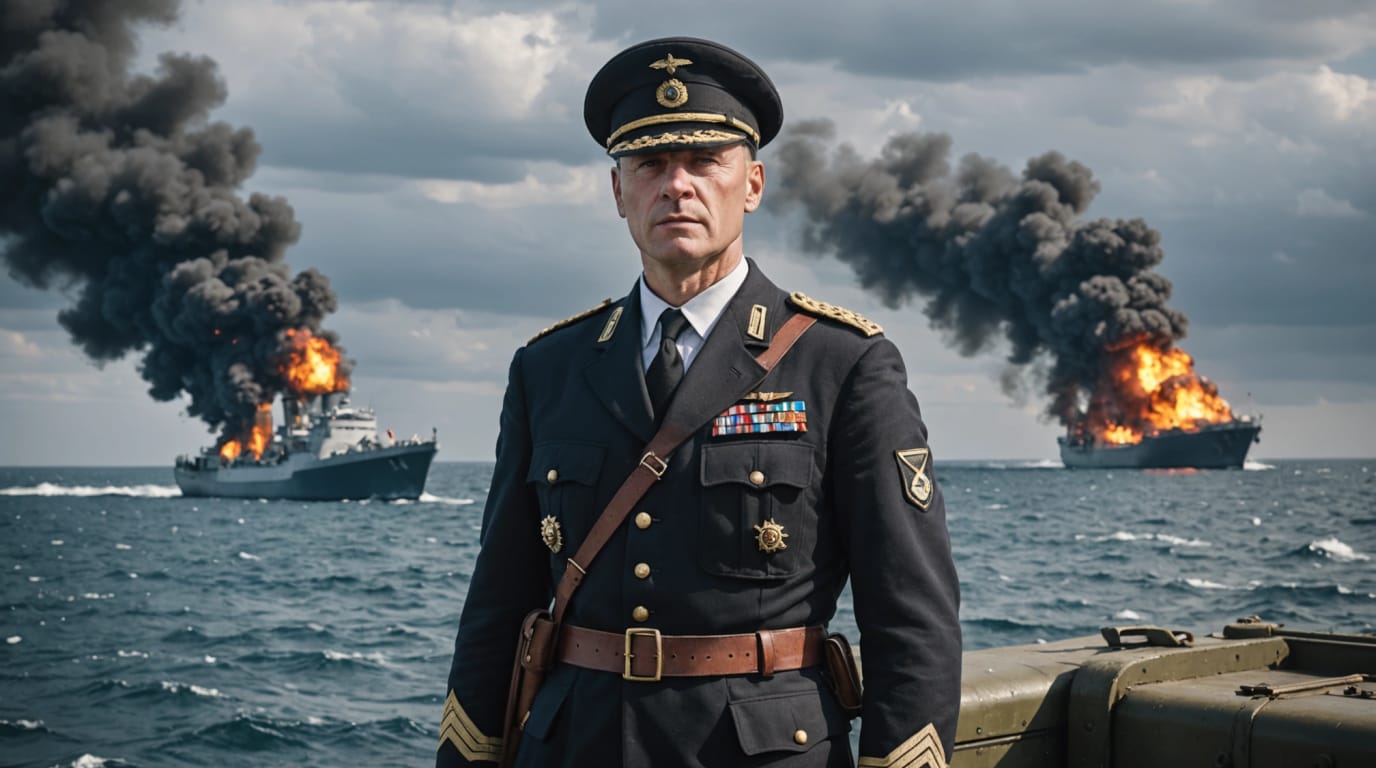
Germany is intensifying its efforts to address the perilous issue of unexploded ordnance (UXO) lurking in its coastal waters. Decades after the end of World War II, an estimated 1.6 million metric tons of conventional munitions and several thousand tons of chemical weapons remain submerged in the North and Baltic Seas, posing a significant environmental and safety hazard.
A Sea of Explosives
The vast majority of these munitions are located in the North Sea, with the remainder in the Baltic Sea. These explosives are a result of wartime activity, including naval battles, aerial bombings, and the deliberate dumping of weapons after the war. Experts say that there is no square kilometer of seabed in German waters that is free of munitions. If all the weaponry were lined up, it would stretch from Paris to Moscow, about 2,500 kilometers.
The presence of these explosives presents a multitude of problems. The most immediate danger is the risk of accidental detonation. Over the years, hundreds of people have been killed or injured after coming into contact with the underwater explosives. Fishermen are particularly vulnerable, as their nets can snag the decaying munitions. Construction and infrastructure projects, such as the building of offshore wind farms and underwater pipelines, also carry the risk of disturbing the explosives.
Environmental Concerns Mount
Beyond the immediate threat of explosions, the deteriorating state of the munitions poses a long-term environmental risk. The casings of the bombs and shells are corroding, releasing harmful chemicals into the marine environment. These substances include explosives compounds, heavy metals, and chemical warfare agents.
These chemicals can contaminate the water and sediment, harming marine life and potentially entering the food chain. The long-term effects of this pollution are still not fully understood, but scientists fear that it could have a devastating impact on the delicate ecosystems of the North and Baltic Seas. Carcinogens are being released into the seas as the casings break apart.
Technological Solutions and Cleanup Efforts
Recognizing the growing threat, the German government is increasing its investment in UXO detection and removal technologies. These include advanced sonar systems, underwater robots, and specialized disposal techniques.
One such robot is the Norppa 300, operated by the explosive ordnance disposal company SeaTerra. The robot is equipped with high-resolution cameras and sensors that can identify and map the location of underwater munitions. SeaTerra is one of three companies participating in the first-ever mission to systematically clear munitions off a seafloor in the name of environmental protection.
Once a UXO is located, it can be either recovered and safely disposed of on land or detonated in place using controlled explosions. Both methods have their drawbacks. Recovery is often difficult and dangerous, while underwater detonations can harm marine life and disturb the seabed.
International Cooperation
The issue of underwater UXO is not unique to Germany. Many other countries that were involved in the World Wars also face similar challenges. International cooperation is essential for sharing knowledge, developing best practices, and coordinating cleanup efforts.
Germany is actively involved in several international initiatives aimed at addressing the problem of underwater UXO. These include joint research projects, data sharing agreements, and collaborative cleanup operations.
The Long Road Ahead
Despite the progress that has been made, the task of clearing Germany's coastal waters of UXO remains a monumental challenge. The sheer volume of munitions, the vastness of the area to be searched, and the technical difficulties involved mean that the cleanup will take many years, if not decades, to complete.
The German government has committed significant resources to the effort, but sustained funding and political will are essential to ensure its success. The long-term benefits of a cleaner and safer marine environment far outweigh the costs of the cleanup.
Protecting the Future
The ongoing effort to address Germany's wartime legacy at sea is not just about removing explosives. It is also about protecting the environment, safeguarding human health, and ensuring the sustainable use of the North and Baltic Seas for future generations. By investing in innovative technologies, fostering international cooperation, and maintaining a long-term commitment to the cleanup, Germany can set an example for other countries facing similar challenges and create a safer and healthier future for its coastal communities.


