Germany Suspends UN Refugee Resettlement Program
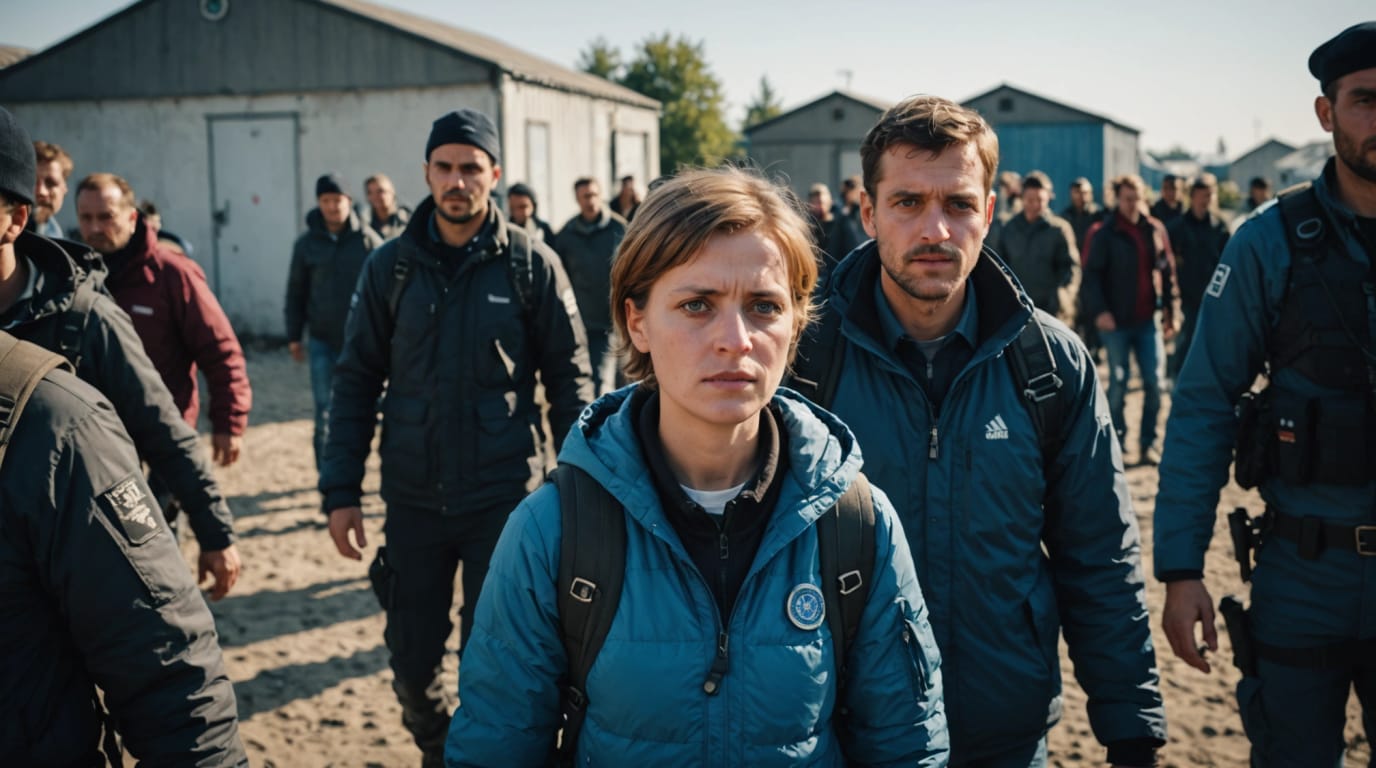
BERLIN – Germany has temporarily halted the admission of refugees through the United Nations resettlement program, according to reports released Tuesday. The decision, confirmed by the German Interior Ministry and the UN Refugee Agency (UNHCR), marks a significant shift in the nation's approach to international refugee assistance.
The suspension raises immediate questions about the future of vulnerable individuals awaiting resettlement in Germany and the broader implications for global refugee efforts. While the duration of the suspension remains unclear, the move signals a potential re-evaluation of Germany's role in addressing the ongoing global refugee crisis.
The German government has not yet released a detailed explanation for the suspension. However, sources suggest the decision is linked to a combination of factors, including increased domestic pressures related to immigration, strains on social services, and a desire to reassess existing resettlement procedures.
Germany has historically been one of the leading countries in Europe for accepting refugees and asylum seekers. In recent years, the nation has taken in large numbers of individuals fleeing conflict and persecution in countries such as Syria, Afghanistan, and Iraq. This commitment has been praised by international organizations and human rights groups, but it has also faced growing opposition from some segments of German society.
The influx of refugees has fueled concerns about integration, security, and the financial burden on the state. These concerns have been amplified by right-wing political parties, which have gained traction by advocating for stricter immigration controls and a reduction in refugee intake.
The UN resettlement program is designed to provide a safe and legal pathway for refugees who are particularly vulnerable or at risk in their host countries. These individuals may include survivors of torture, women and girls at risk, and people with serious medical conditions. The UNHCR works with governments around the world to identify and resettle these refugees in countries where they can rebuild their lives.
The temporary suspension of Germany's participation in the program is likely to have a significant impact on the UNHCR's resettlement efforts. Germany has been a key partner in the program, and its absence will create a bottleneck in the process, potentially leaving vulnerable refugees in limbo.
The decision also comes at a time when the number of people displaced by conflict and persecution is at a record high. According to the UNHCR, there are currently more than 100 million people forcibly displaced worldwide. This includes refugees, asylum seekers, and internally displaced persons.
The global refugee crisis is a complex and multifaceted challenge that requires a coordinated international response. Resettlement is just one part of the solution, but it is a crucial one for those who are most in need of protection.
The German government's decision to suspend its participation in the UN resettlement program raises questions about the future of its commitment to refugee protection. While the suspension is described as temporary, it is unclear when the program will be reinstated and what conditions will be attached.
Some observers fear that this move could signal a broader shift in Germany's immigration policy, potentially leading to a more restrictive approach to asylum and refugee resettlement. Others argue that the suspension is a necessary step to address domestic concerns and ensure the long-term sustainability of Germany's refugee program.
The situation is further complicated by the evolving political landscape in Germany. The current coalition government faces numerous challenges, including rising inflation, energy security concerns, and the ongoing war in Ukraine. These issues have put pressure on the government and contributed to a more polarized political climate.
The debate over immigration and refugee policy is likely to remain a contentious issue in Germany for the foreseeable future. The government will need to carefully balance its international obligations with the concerns of its citizens as it seeks to find a sustainable solution to the refugee crisis.
The suspension of the UN resettlement program also raises questions about the role of other European countries in addressing the refugee crisis. With Germany taking a step back, there is a risk that other countries may follow suit, further undermining the international refugee protection system.
It is essential that European countries work together to share the responsibility for protecting refugees and asylum seekers. This includes providing financial support to host countries, increasing resettlement opportunities, and ensuring access to fair and efficient asylum procedures.
The UNHCR has called on Germany to reconsider its decision and to resume its participation in the resettlement program as soon as possible. The agency has also urged other countries to step up their efforts to provide protection to refugees and to find durable solutions to the global refugee crisis.
As of March 9, 2025, Germany's likely next government, led by conservative leader Friedrich Merz, is set to enforce strict immigration policies, including halting refugee admissions from Afghanistan and accelerating deportations. Merz, whose CDU/CSU bloc won the recent elections, announced that Germany will reject undocumented migrants at its borders and suspend voluntary resettlement programs, including those for Afghans. “We will end voluntary admission programs, for example from Afghanistan, and will not launch any new ones,” he said during a press conference.
The situation remains fluid, and the long-term implications of Germany's decision are still uncertain. However, the temporary suspension of the UN resettlement program serves as a stark reminder of the challenges facing the international community in its efforts to protect refugees and address the global refugee crisis. The coming weeks and months will be critical in determining the future of Germany's role in this important endeavor.


