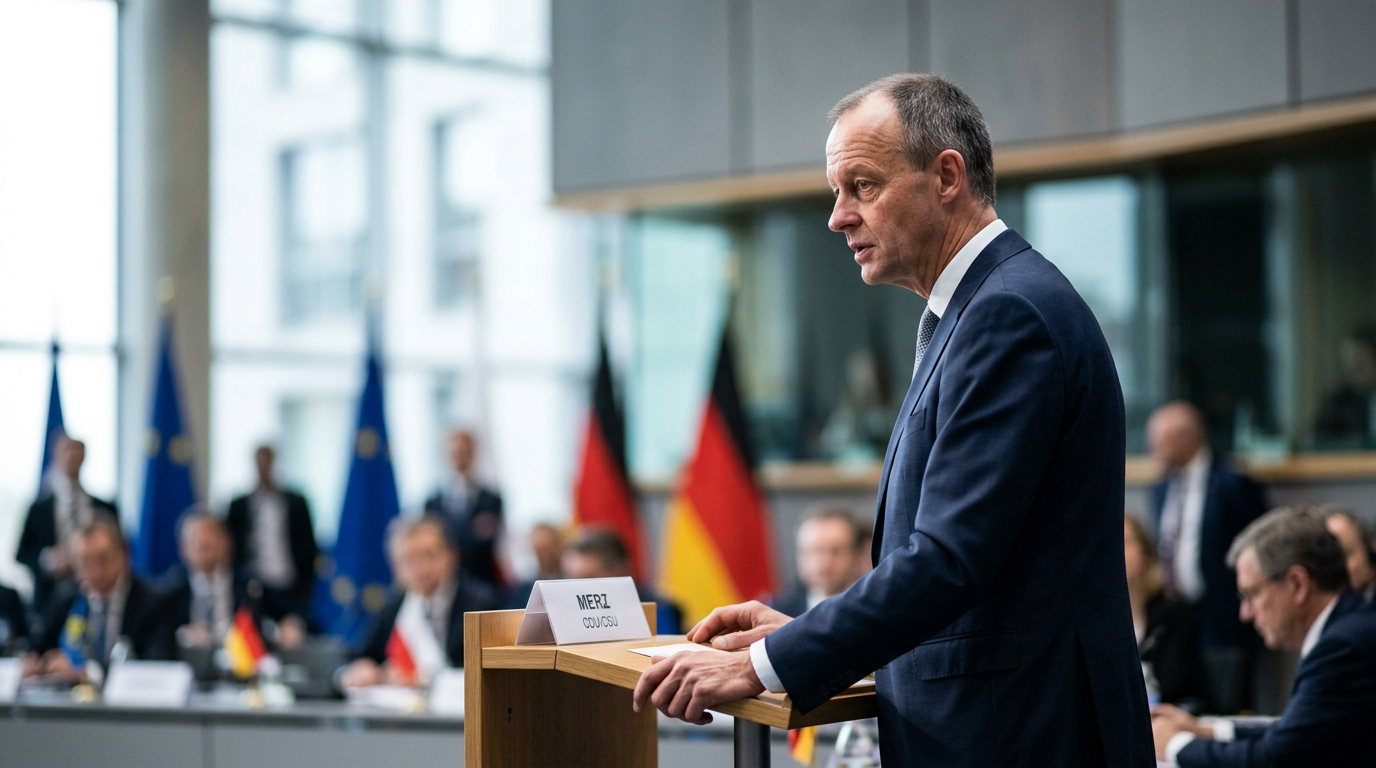
Germany Unveils Sweeping Reforms to Integrate Asylum Seekers into Workforce


BERLIN, Germany – Germany is embarking on a significant policy shift, introducing new regulations aimed at dramatically accelerating asylum seekers' access to its labor market. The proposed changes, driven by critical labor shortages and a commitment to greater social integration, seek to allow asylum seekers to begin working as early as three months after their arrival, even while their asylum applications remain under review. This initiative marks a substantial departure from previous, more restrictive practices and underscores Germany's evolving strategy to harness the potential of its new residents.
The move comes as Europe's largest economy grapples with an aging population and persistent demand for skilled and unskilled labor across various sectors. For years, Germany's approach to integrating asylum seekers into the workforce has been characterized by both proactive measures and bureaucratic hurdles. Now, with a clear mandate to streamline processes, the government hopes to foster earlier economic independence, reduce reliance on state benefits, and fill crucial gaps in its workforce.
A Pivotal Shift in Policy
Historically, asylum seekers in Germany faced considerable delays before being permitted to work. Under previous regulations, individuals housed in initial reception centers were generally prohibited from employment, a restriction that could extend for up to 18 to 24 months in some federal states. Even outside these centers, a three-month waiting period applied, followed by discretionary approval for work permits. These lengthy waiting times often left asylum seekers in a state of limbo, hindering their ability to integrate and contribute to society.
The newly proposed reforms, championed by figures such as Interior Minister Alexander Dobrindt, aim to dismantle these barriers. The core of the new policy is a plan to authorize employment for asylum seekers after just three months of residence, regardless of whether their asylum procedures have been finalized. This change is viewed as a "notable departure" from the administrative practices that previously subjected applicants to prolonged waiting periods before receiving work permission.
The Federal Ministry of the Interior has clarified that this expanded access would cover both full-time and part-time employment opportunities. Importantly, the policy is designed to maintain the procedural and legal autonomy of asylum adjudication, meaning labor participation will neither influence the trajectory nor alter the final determination of protection eligibility. However, officials noted that earnings from employment would be factored into eligibility calculations for public assistance, including housing and other social support, aligning with existing principles of financial resource assessment.
For those who are granted recognized refugee status or subsidiary protection, access to the German labor market is already largely unrestricted, placing them on par with German citizens for employment and vocational training. They are also entitled to support from labor agencies, including qualification recognition and training programs. However, asylum seekers still typically require a work permit, often necessitating approval from the Federal Labour Agency. Exclusions from job access will continue to apply to those from "safe countries of origin" during their asylum process.
Addressing Germany's Labor Imperative
The impetus behind these reforms is deeply rooted in Germany's economic realities. The country faces a deepening demographic crisis, characterized by an aging workforce and declining birth rates, leading to significant labor shortages across numerous industries. Estimates suggest that immigration policies have already played a crucial role in addressing these challenges by facilitating the influx of skilled labor.
The government's "Job-Turbo" initiative, for instance, explicitly aims to fast-track refugees into suitable employment, recognizing their potential to fill these critical gaps. Immigrants have historically contributed to the labor market by taking both high-skilled and low-skilled jobs, thereby boosting productivity and stimulating economic growth through increased consumer demand.
Previous studies have shown that while refugees initially exhibit lower employment rates upon arrival, these figures improve substantially over time, nearly doubling after five years in Germany. Long-term trends indicate that refugees who have resided in Germany for over 20 years achieve employment rates comparable to the general population, underscoring the long-term benefits of sustained integration efforts. This gradual integration trajectory highlights the importance of early intervention and continuous support in the initial years.
Challenges and the Path to Integration
Despite the progressive nature of the new policies, asylum seekers and refugees continue to navigate a complex landscape of challenges. Language acquisition remains a primary hurdle, along with the often-arduous process of getting foreign qualifications recognized in Germany. Bureaucratic obstacles, prejudices, and discrimination also persist, making the path to employment difficult for many.
A significant concern highlighted in various reports is the issue of underemployment, with approximately 41% of employed refugees holding jobs below their qualification level. This suggests that while access to jobs is improving, ensuring meaningful employment that utilizes individuals' skills and potential remains a key challenge. Furthermore, refugee women often face additional, intersecting barriers, leading to significantly lower employment rates compared to their male counterparts.
To mitigate these challenges, Germany has invested in a wide range of language and integration courses, as well as employment-related training programs. Initiatives like the "Service Centre for Professional Recognition" aim to support jobseekers through the often lengthy and expensive qualification recognition process. The "Job-Turbo" also emphasizes early language acquisition and direct placement for those who can work in their professions even without immediate advanced German language skills.
Economic and Societal Implications
The broader economic implications of these reforms are largely viewed as positive, though some economists express caution about the short-term impact. Over the long run, the influx of human capital is expected to bring dynamism to Germany's economy. Proponents argue that facilitating earlier work access will not only address labor shortages but also reduce the financial burden on the state by enabling asylum seekers to become self-sufficient taxpayers and consumers sooner.
Beyond the purely economic, the reforms are expected to have profound societal benefits. Meaningful employment is a cornerstone of successful integration, fostering a sense of belonging, purpose, and dignity. By enabling asylum seekers to work earlier, Germany aims to create a more inclusive society where newcomers can contribute their skills and talents, enriching the social fabric of the nation.
While some studies have indicated a potential rise in unemployment rates among non-German workers with increased migration, a broader analysis suggests minimal impact on local German-born workers, with total unemployment even decreasing slightly across regions in some periods. The government's emphasis on balancing integration with labor market stability reflects an awareness of these concerns.
Looking Ahead
Germany's latest policy adjustments represent a strategic adaptation to both its humanitarian responsibilities and its pressing economic needs. By lowering barriers to the labor market, the government seeks to unlock the potential of asylum seekers, transforming periods of enforced idleness into opportunities for contribution and self-reliance. This progressive stance, though still facing implementation challenges, signals a clear intent to foster a more inclusive and economically robust future for Germany. The effectiveness of these new rules will hinge on their efficient implementation, continued investment in support services, and the ongoing willingness of employers and society to embrace a diverse workforce. The outcome will not only shape the lives of thousands of individuals but also define a critical chapter in Germany's economic and social development.
Related Articles

Ratko Mladić, "Butcher of Bosnia" and Convicted War Criminal, Dies at 84
THE HAGUE, Netherlands – Ratko Mladić, the former Bosnian Serb military commander known as the "Butcher of Bosnia" and convicted of genocide, war crimes, and crimes against humanity, has died at the age of 84. Serbian...

Long-Awaited 9/11 Mastermind Trial Set for 2028, Decades After Attacks
GUANTANAMO BAY, Cuba – Nearly a quarter-century after the devastating terror attacks of September 11, 2001, a military judge has finally set a trial date for Khalid Sheikh Mohammed, the alleged mastermind behind the...