Germany's Carnival Season: A Cultural Phenomenon and Billion-Euro Economic Powerhouse
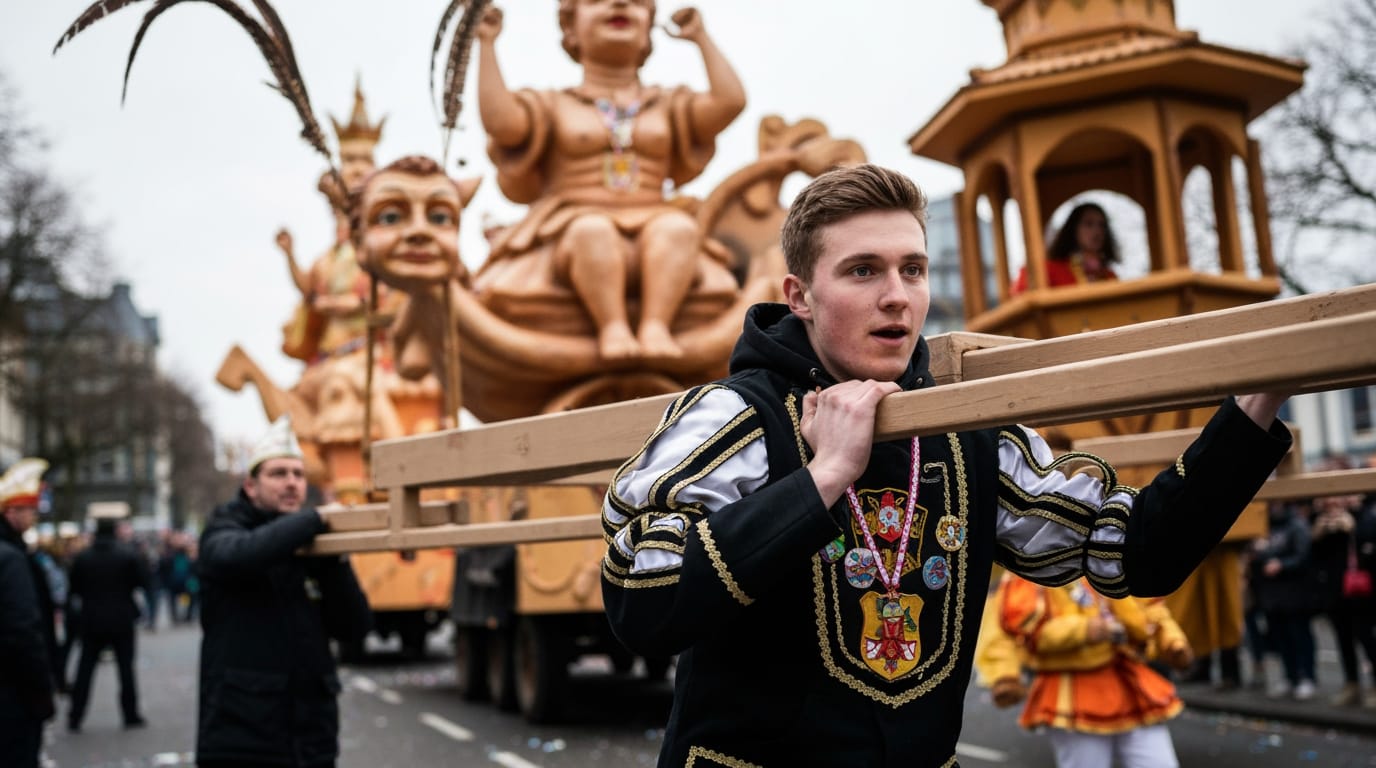
Germany’s vibrant Carnival season, known variously as Fasching, Karneval, and Fastnacht, recently concluded, reaffirming its status as not only a cherished cultural tradition but also a significant economic engine. Preliminary analyses indicate that the 2024/2025 season generated an impressive €2.1 billion in revenue across the country, marking a substantial increase from the estimated €1.7 billion recorded in the previous year. This surge in economic activity underscores the profound impact these festive weeks have on various sectors, from hospitality and retail to transportation and local services.
Billions in Celebration: The Economic Engine of Germany's "Fifth Season"
The financial footprint of the German Carnival is extensive and diverse, touching numerous industries and benefiting businesses large and small. The Institute of the German Economy (IW) projected the 2024/2025 season to bring in at least €2.1 billion, a figure boosted by an extended celebration period of 115 days. This substantial revenue is meticulously distributed across key sectors, demonstrating the wide-ranging economic stimulus provided by the festivities.
The hospitality sector, encompassing restaurants and pubs, emerged as the primary beneficiary, with an estimated €925 million generated from the sale of food and beverages alone. The retail market, fueled by demand for costumes, masks, and sweets, saw approximately €449 million in revenue. Transportation services, including train tickets and taxis, contributed another €322 million to the economy, facilitating the movement of revelers across regions. Hotel accommodations also experienced a significant boost, bringing in an estimated €240 million, with other sectors accounting for an additional €179 million.
Major Carnival strongholds like Cologne witness a particularly intense economic upturn. In 2020, Cologne's Carnival was estimated to add over €596 million in economic value to the city. This included a 43% increase in hotel industry sales, a 34% rise in gastronomy and consumption, and a 41% growth in the textile industry, highlighting the localized economic power of these celebrations. During peak Carnival days, hotel rates in Cologne have been observed to surge by nearly 80%, with an average double room costing €105 per night. Düsseldorf, another prominent Carnival city, also sees significant revenue, with organizers estimating around €240 million generated per major event. Critically, the economic benefits generated by Carnival largely remain within Germany, providing a robust internal stimulus.
A Tapestry of Tradition: Regional Variations and Enduring Customs
Beyond the impressive financial figures, Carnival is deeply embedded in Germany's cultural identity, often referred to as "the fifth season." While the spirit of revelry is universal, the festivities manifest under different names and with distinct local customs across the country. In the Rhineland, encompassing cities like Cologne, Düsseldorf, and Aachen, it is predominantly known as Karneval. Southern Germany, particularly Bavaria, celebrates Fasching, while southwestern regions, including Mainz and parts of Baden-Württemberg, refer to it as Fastnacht.
The origins of these celebrations trace back to ancient pagan rituals aimed at warding off winter and welcoming spring, later evolving and being incorporated into Christian traditions as a period of indulgence before the fasting of Lent. The official Carnival season symbolically begins on November 11th at 11:11 a.m., though the most intense and widespread celebrations typically take place in the days leading up to Ash Wednesday.
The climax of Carnival is undoubtedly Rosenmontag (Rose Monday), a day marked by elaborate parades that draw millions of spectators. Cologne's Rose Monday parade alone attracts an estimated 1.5 million revelers. These parades feature intricately designed floats, marching bands, and costumed participants who distribute sweets, known as "Kamelle," and other small gifts to the cheering crowds. Many floats are renowned for their satirical depictions of politicians and current events, offering a unique blend of humor and social commentary. Another iconic tradition is Weiberfastnacht (Women's Carnival) on the Thursday before Ash Wednesday, when women symbolically take control of public spaces, often cutting off men's ties as a playful gesture of their temporary authority. The spectrum of costumes is broad, ranging from traditional jesters and historical figures to modern superheroes and whimsical creations, reflecting individual creativity and imagination.
Beyond Merriment: Societal Impact and Modern Adaptations
While the parades and parties often grab headlines, the German Carnival holds a deeper societal significance. Local leaders and cultural experts emphasize that Carnival is far more than just an economic event; it is an essential part of the cultural fabric and a reflection of a way of life, particularly in cities like Cologne. It plays a vital role in strengthening social cohesion, fostering a sense of community, and connecting individuals from diverse backgrounds. The festive atmosphere, characterized by optimism and unity, offers a valuable psychological uplift.
Organizing such large-scale events, however, involves substantial logistical undertakings. Ensuring public safety, managing massive crowds, controlling traffic, and handling waste are immense challenges that require extensive planning and coordination by municipal authorities and Carnival committees. While the economic benefits are clear, some costs are also associated with the season, such as an estimated €780 million in absenteeism due to illness and around €15 million in municipal expenses. Despite these considerations, the net economic impact remains overwhelmingly positive.
In recent years, modern sensibilities have influenced the evolution of Carnival. There is a growing emphasis on environmental sustainability, inclusion, and diversity, with organizers making conscious efforts to reduce waste and promote tolerance. This adaptation ensures that while the traditions remain timeless, the celebrations evolve to reflect contemporary values.
A Cultural and Commercial Jewel
Germany's Carnival season stands as a testament to the powerful synergy between deeply rooted cultural tradition and robust economic activity. The recently concluded 2024/2025 season, with its impressive €2.1 billion in revenue, solidified its position as a major contributor to the national economy, bolstering local businesses and providing widespread employment opportunities. Simultaneously, it continues to serve its ancient purpose: a period of collective joy, social satire, and community bonding before the solemnity of Lent. As an enduring spectacle that captivates both locals and tourists, the German Carnival remains a dynamic and invaluable part of the nation's heritage, promising continued merriment and prosperity for years to come.


