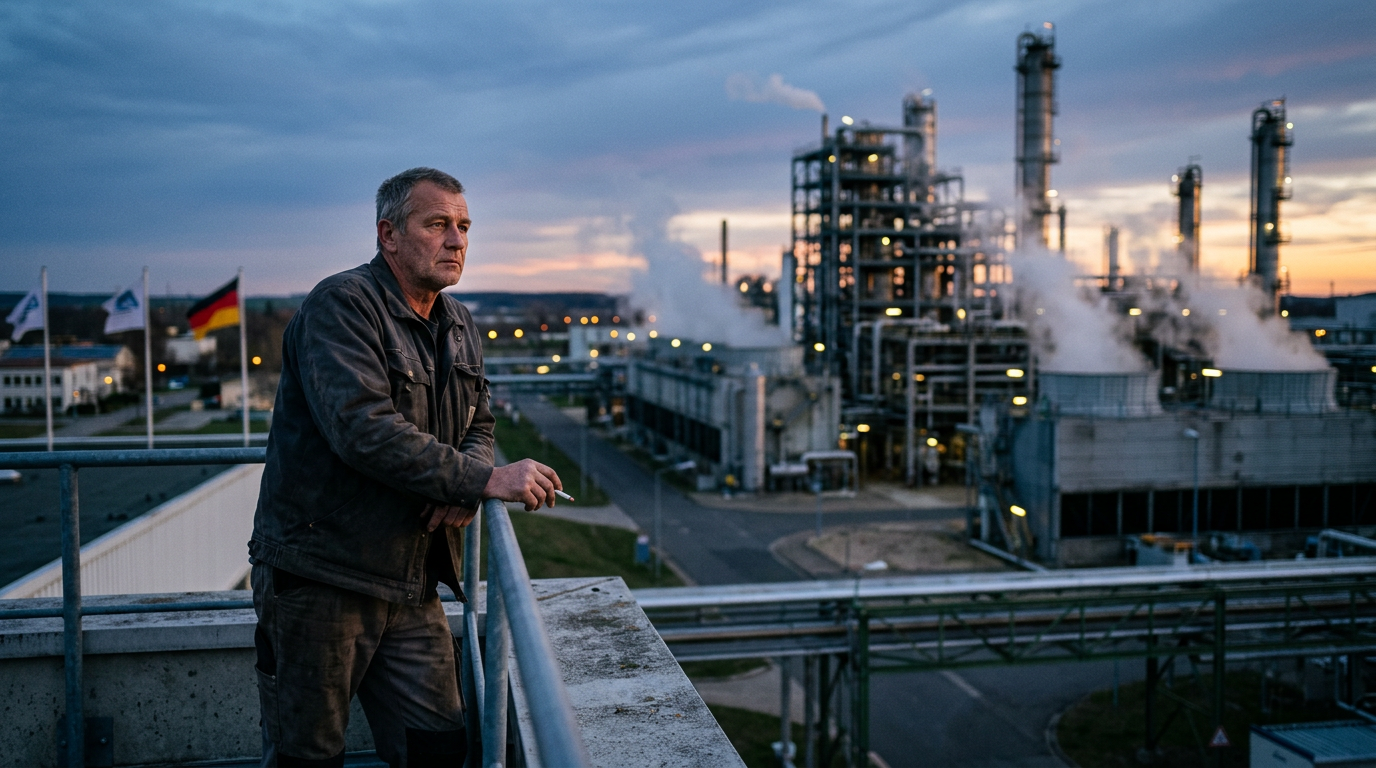
Germany's Deep Aid Cuts Spark Global Alarm as Humanitarian Crises Loom
Berlin, Germany – Once a global leader in development assistance, Germany is facing intense scrutiny and widespread alarm after implementing significant cuts to its foreign aid budget, signaling a stark re-prioritization of domestic and defense spending over international development commitments. The reductions, driven by a confluence of internal fiscal pressures and a shifting geopolitical landscape, threaten to unravel years of progress in vulnerable regions and exacerbate existing humanitarian crises across the globe.
The dramatic downsizing of Germany's Official Development Assistance (ODA) marks a departure from its consistent record as a top global donor, prompting warnings from aid organizations and development experts about the potentially catastrophic human cost and the erosion of Germany's international standing.
A Steep Decline: Germany Retreats from Aid Leadership
Germany, which proudly held the position of the world's second-largest ODA donor in 2022, contributing 0.87% of its Gross National Income (GNI), has seen its development aid budget steadily diminish. The budget for the Federal Ministry for Economic Cooperation and Development (BMZ) dropped from €13.8 billion in 2022 to €12.5 billion in 2023, further decreasing to €11.2 billion in 2024. Projections indicate an even sharper fall for 2025, with the BMZ budget expected to reach €10.3 billion – a €1 billion reduction from 2024. Humanitarian funding managed by the Foreign Office is also on a downward trajectory, projected to fall to €5.9 billion for 2026–28.
These reductions mean that for the first time since 2016, Germany has fallen below the internationally agreed-upon target of dedicating 0.7% of its GNI to ODA, reaching 0.67% in 2024. Key areas experiencing severe cuts include humanitarian emergency aid, slashed by 53% from €2.23 billion to approximately €1.04 billion for 2025. Funding for the transformation of agricultural and food systems (SI AGER) has been cut by 17.9%, and transitional aid for crisis prevention, reconstruction, and infrastructure faces a 38% reduction. Even critical global health initiatives are not spared, with Germany set to halve its funding for the Berlin-based WHO Hub for Pandemic and Epidemic Intelligence from €30 million to €15 million annually, a move described by experts as sending "the wrong signal at the wrong time."
Domestic Pressures and Shifting Priorities Drive Cuts
The German government has characterized these cuts as "painful but necessary," attributing them to a complex interplay of domestic fiscal constraints and evolving national priorities. A primary driver is Germany's 'debt brake' law, which limits new borrowing, compelling the government to seek savings across various portfolios. This situation was exacerbated by a landmark constitutional court ruling in November that prohibited the reallocation of unspent COVID-19 emergency funds for new climate change spending, creating a €17 billion deficit.
Concurrently, Germany is significantly increasing its defense spending to meet NATO's 2% GDP target, with plans to raise it to 2.4% of GDP in 2025. This rebalancing is framed by Finance Minister Joerg Kukies and Chancellor Olaf Scholz as a means to preserve national security while addressing domestic initiatives such as higher pensions for mothers and VAT reductions for restaurants. The government also points to slowing economic growth as a factor contributing to the need for austerity. While some within the government maintain that German development policy will remain effective, the overarching narrative underscores a strategic pivot towards internal and defense-related investments.
Far-Reaching Humanitarian and Developmental Consequences
The ripple effects of Germany's aid reductions are projected to be severe and far-reaching, impacting millions of vulnerable people globally. Development experts warn that these cuts will undermine vital support for communities already grappling with escalating crises.
Humanitarian emergency aid, critical for swift responses to disasters and conflicts, faces the most drastic reductions. Thorsten Klose-Zuber, Secretary-General of the NGO Help, estimates that a 50% reduction in German emergency aid could leave over 4 million people worldwide without food assistance and 1.5 million without basic healthcare. Oliver Müller of Caritas International predicts that some large projects will be canceled due to financial shortages, hitting people in the Global South the hardest. The cuts will directly affect fragile and conflict-affected contexts, potentially leading to increased vulnerability for populations in conflict zones and climate-affected areas. Initiatives promoting long-term food security, climate adaptation projects, and health programs targeting maternal mortality or infectious diseases are all at risk of faltering. For instance, the funding cuts could halt sea rescue operations in the central Mediterranean.
Furthermore, the halving of funding for the WHO Pandemic Surveillance Hub threatens global health security by weakening the very system designed to detect and prevent future outbreaks. Experts emphasize that "viruses know no borders," and these cuts undermine global collaboration and pandemic preparedness. The reduction in support for civil society and peacebuilding initiatives also poses a significant setback for efforts to promote stability and resilience in volatile regions.
A Chorus of Criticism and Global Ripple Effects
The decision to cut aid has drawn sharp criticism from a broad spectrum of non-governmental organizations, development advocates, and former German development ministers. Organizations like Welthungerhilfe, Caritas International, Oxfam, One, Save the Children, and VENRO have united in condemning the move, arguing that it jeopardizes Germany's credibility as a "stable and reliable partner." Michael Herbst, Chair of VENRO, Germany's umbrella organization of development NGOs, noted that with over 100 million people displaced and in need of support, these funding cuts only worsen matters.
Critics warn of a potential "signaling effect" where Germany's retreat could embolden less-committed donors to freeze or reduce their own budgets, triggering a harmful domino effect across the international ODA system. This could further hinder the achievement of the United Nations' 2030 Sustainable Development Goals (SDGs), particularly in areas like education, gender equality, and poverty reduction. The argument is made that development cooperation is an investment in peace, justice, and a common future, and that diluting these efforts risks Germany's values and global influence. As one analyst put it, the cuts represent "a major setback in the international ODA system" that will "prevent vital emergency relief systems from reaching people in crisis and jeopardise funding for long-term projects improving community resilience and quality of life."
The Dilemma of Global Responsibility
Germany's decision to drastically reduce its development aid budget highlights a growing tension between national fiscal austerity and global humanitarian responsibilities. While the German government navigates its economic challenges and prioritizes defense and domestic welfare, the implications for millions of people dependent on this aid are dire. The cuts not only imperil ongoing projects crucial for survival and stability in many parts of the world but also threaten to diminish Germany's long-standing role as a pillar of international cooperation and humanitarian support. The coming years will reveal the full extent of these changes, testing the resilience of global development efforts and the strength of international solidarity.
Related Articles


Mounting Frustration Grips Russia as Economic Hardship and War's Toll Deepen
Moscow, Russia – A palpable shift in public sentiment is emerging across Russia, with growing frustration among citizens fueled by a confluence of economic pressures, increasing internet restrictions, and the undeniable...

Germany's Strategic Calculus: Ukraine Aid is an Investment in European Security, Not Charity
Berlin – The ongoing provision of substantial aid to Ukraine by Germany and its allies is increasingly being framed not as an act of altruism, but as a crucial investment in European security and stability. This...