Germany's Economic Engine Stalls: Recovery Remains Elusive Amidst Compounding Crises
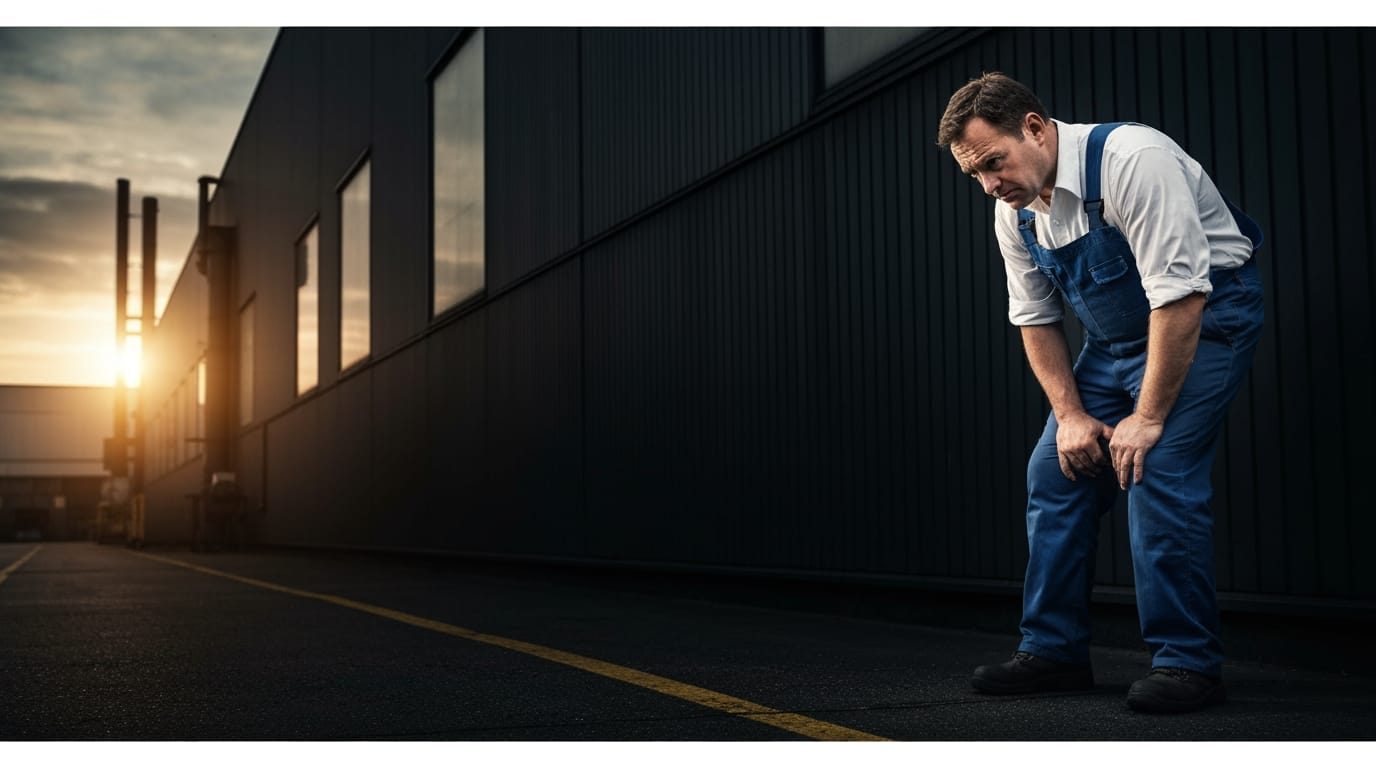
Germany, long considered the economic powerhouse of Europe, finds itself in an entrenched period of stagnation, with recent data and expert analyses painting a bleak picture for a swift recovery. Europe's largest economy contracted for two consecutive years, shrinking by 0.3% in 2023 and an estimated 0.2% in 2024, making it the worst-performing major economy globally in 2023. Forecasts for 2025 and 2026 suggest only modest growth, if any, signaling that the nation is grappling with a "double crisis" stemming from deep-rooted structural problems and persistent external shocks. This prolonged economic malaise has reignited concerns that Germany could once again earn the unenviable title of "sick man of Europe," a moniker it shed in the early 2000s.
Persistent Stagnation and Weak Indicators
The current economic landscape in Germany is characterized by a range of weak indicators that underscore the severity of its challenges. Industrial production has experienced a significant downturn, with output dropping unexpectedly in early 2026 and remaining at historically low levels. Some reports indicate that industrial production has been falling for six years, while capacity utilization in the manufacturing sector saw a notable decline of 5.5 percentage points by October 2024 compared to the previous year. The automotive sector, a traditional backbone of German industry, has been particularly hard hit, facing production reductions and substantial investments in restructuring for the shift to electric vehicles.
Consumer sentiment remains subdued, with inflation uncertainty and the high cost of living weighing heavily on household spending. Although the GfK Consumer Climate Indicator showed some marginal improvement in June 2026, it still registers a low level of confidence. This hesitancy to spend, coupled with a lack of orders across various sectors, weak investment, and dwindling export expectations, contributes to the overall economic sluggishness. The International Monetary Fund (IMF) projects a modest GDP growth of just 0.4% for 2025, placing Germany behind other G20 nations. The European Commission anticipates economic activity to expand by 0.6% in 2026 and 0.9% in 2027, a recovery described as only "gradually picking up speed".
A Confluence of Root Causes
Germany's current economic predicament is attributed to a complex interplay of factors, both external and internal. The energy crisis, triggered by the cessation of cheap Russian gas imports following the invasion of Ukraine and the country's nuclear energy phase-out, has profoundly impacted energy-intensive industries. Energy costs for German industries are reportedly 30% higher than the European average, significantly eroding international competitiveness. The recent escalation of conflict in the Middle East in early 2026 further exacerbated energy price volatility, causing oil and gas prices to skyrocket and dampening any nascent hopes for recovery.
Beyond energy, a range of structural issues continues to impede growth. A persistent and worsening skilled worker shortage is a critical concern, driven by an aging population, declining birth rates, and challenges in attracting and retaining foreign talent. Germany needs to fill at least 400,000 skilled jobs annually to maintain economic stability, with projections indicating a potential deficit of seven million workers by 2035. Bureaucracy and excessive red tape are frequently cited by businesses as significant hurdles, hindering investment and innovation. Germany also lags in digitalization and public investment, with public spending on infrastructure historically low compared to other European nations.
The nation's traditional reliance on exports has become a vulnerability amidst global shifts in demand, increased competition from countries like China, and the threat of trade protectionism, including potential US tariffs. Moreover, restrictive monetary policies, such as the European Central Bank's interest rate hikes aimed at combating inflation, have made business investments and financing more expensive, further slowing economic activity.
Sectoral Strain and Business Confidence
The stagnation has had a disproportionate impact across different sectors of the German economy. While public service providers have shown some resilience, the construction and industrial sectors are deep in recession. Energy-intensive industries, despite some recent stabilization in production, remain at historically low levels, leading to widespread job cuts. Since 2019, the German industrial sector has shed over 341,500 jobs, with the automotive sector accounting for approximately 125,800 of those losses.
Business sentiment has plummeted, with a survey by the German Chamber of Commerce and Industry (DIHK) in May 2026 revealing that more than one in four companies describe their situation as poor, a sentiment level akin to that observed during the COVID-19 pandemic. Expectations for the coming months continue to darken, with one-third of companies expecting business to worsen over the next year. The Ifo Institute also reported a decline in export expectations, reflecting heightened geopolitical uncertainty.
Government Response and Remaining Challenges
The German government has acknowledged the pressing need for reforms to address these multifaceted challenges. Efforts to reduce bureaucracy and streamline processes, particularly in areas like power grid expansion and renewable energy projects, are underway. There is also a focus on attracting skilled foreign workers through reforms like the updated Skilled Immigration Act. The government plans to increase public spending on infrastructure and defense, with the aim of stimulating growth, though the full impact of these measures is expected to take time.
However, the "debt brake" embedded in Germany's constitution continues to limit the government's fiscal flexibility, restricting its ability to provide substantial economic stimuli through increased borrowing. Political disagreements over economic strategies have also been noted, with past disputes contributing to government instability. While some positive signals, such as easing inflation and potential interest rate cuts, could offer future relief, the overarching sentiment is that significant policy innovation and sustained public investment are essential to revitalize the economy and reaffirm Germany's role as a stable leader within the European project.
An Uncertain Path Forward
Germany's economic landscape is at a critical juncture. While some indicators, such as a slight rebound in household income expectations and stabilization in certain industrial sectors, offer faint glimmers of hope, the path to a robust recovery remains obscured by persistent challenges. The confluence of high energy costs, geopolitical instability, deeply embedded structural issues, and declining global demand for its traditional exports has created a formidable hurdle. The nation's ability to navigate these complexities, implement ambitious reforms, and adapt its economic model to a rapidly changing global environment will determine whether it can regain its economic momentum or continue to struggle with prolonged stagnation.


