Red Sea Crisis Threatens Africa's Access to Essential Indian Medicines
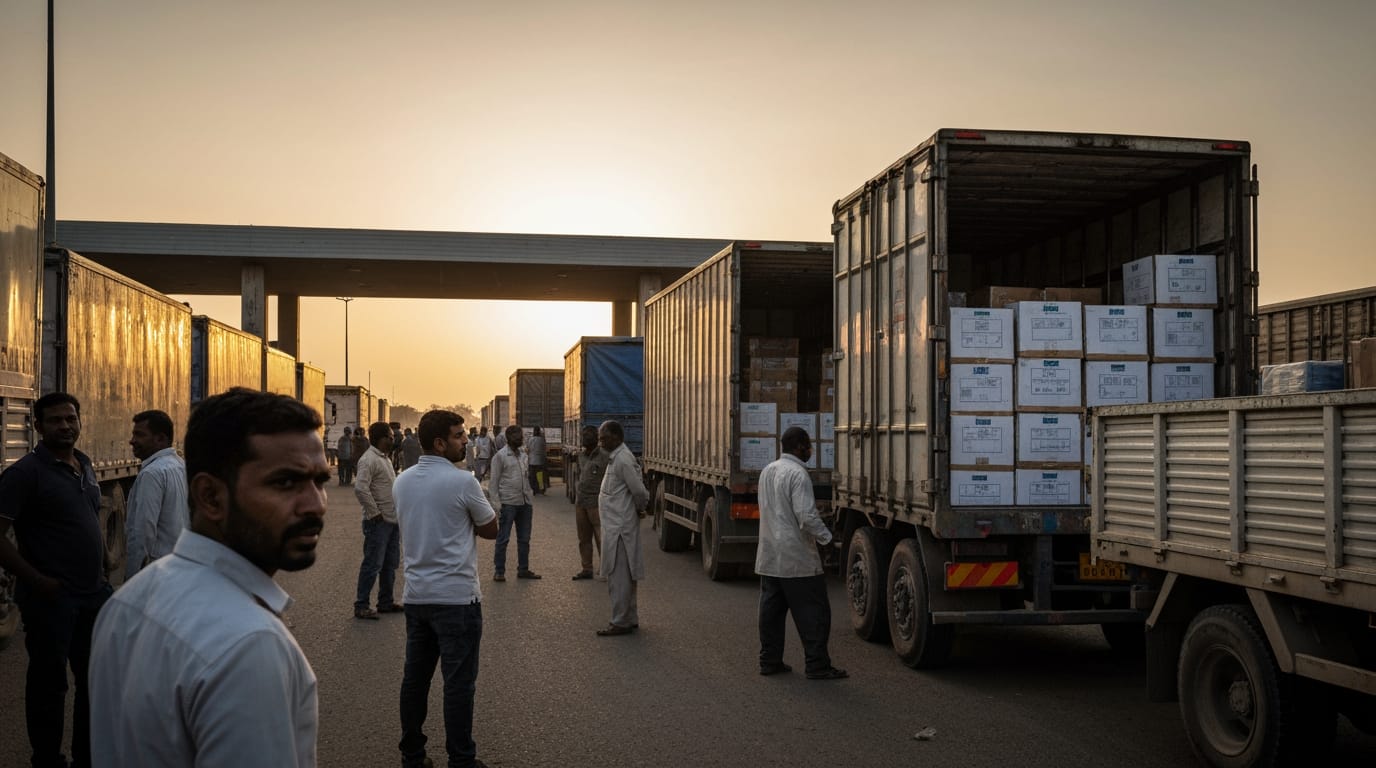
NAIROBI, Kenya – A critical pharmaceutical lifeline connecting India, the "pharmacy of the world," to the African continent is facing unprecedented disruption, imperiling healthcare access for millions. The ongoing instability in the Middle East, particularly the Houthi attacks in the Red Sea, has rerouted vital shipping lanes, leading to soaring freight costs, prolonged transit times, and the looming specter of drug shortages across Africa. This escalating crisis highlights the fragility of global supply chains and poses a significant threat to public health initiatives and economic stability across both regions.
India's Lifeline to Africa: A Critical Partnership
For decades, India has stood as a pivotal supplier of affordable, high-quality generic medicines to Africa, playing an indispensable role in the continent's public health landscape. India is the world's third-largest producer of pharmaceuticals by volume and a leading exporter of generic medications, with its pharma exports exceeding $25 billion in 2023. Approximately 20% of India's pharmaceutical exports are destined for African nations, accounting for nearly 50% of Africa's generic medicine requirements. This robust trade relationship is crucial given that most African nations import up to 90% of their medicines.
African countries rely heavily on Indian pharmaceuticals to combat a high burden of infectious and chronic diseases, including HIV/AIDS, malaria, tuberculosis, and emerging non-communicable diseases. For instance, India produces almost 80% of the Antiretroviral (ARV) drugs used in Africa to treat HIV/AIDS, a disease that affects approximately two-thirds of global cases on the continent. The partnership is not just commercial; it is foundational to Africa's health security, providing life-saving treatments that local manufacturing infrastructure cannot yet supply in sufficient quantities.
Red Sea Crisis: The New Maritime Gauntlet
The Red Sea, a narrow but vital maritime artery, normally serves as the shortest route for trade between Asia, Europe, and Africa via the Suez Canal, handling around 12% of global trade. However, since late 2023, frequent attacks by Houthi militants have rendered this passage perilous, forcing shipping companies to abandon the conventional route. Instead, vessels are now undertaking a lengthy detour around the Cape of Good Hope, circumnavigating the entire African continent.
This rerouting adds an estimated 10 to 15 days, and in some cases up to two weeks, to typical voyage times. The extended journey dramatically inflates operational costs due to increased fuel consumption, higher war-risk insurance premiums, and new surcharges. Shipping expenses have reportedly spiked, with war taxes and fuel surcharges reaching up to $4,000 per container, and freight rates for some corridors nearly doubling. These additional costs are inevitably passed down the supply chain, impacting the final price of essential medications. The Pharmaceuticals Export Promotion Council of India (Pharmexcil) has warned that March exports alone could see a potential loss of ₹2,500 to ₹5,000 crore (approximately $300 million to $600 million) for the Indian pharmaceutical industry if disruptions persist.
Africa's Health Security Under Threat
The ripple effects of the Red Sea crisis are deeply concerning for Africa's already vulnerable healthcare systems. Africa CDC Director-General Dr. Jean Kaseya has raised alarms over potentially dangerous shortages of essential medical supplies, directly attributing this to rising transport costs linked to the Middle East crisis. Delays in freight and disruptions in supply chains could threaten the timely delivery of medicines, vaccines, and other health products, increasing the risk of stock-outs in clinics and hospitals.
African nations, many of which allocate less than 5% of their GDP to healthcare, struggle with underfunding, inadequate infrastructure, and chronic medicine shortages even under normal circumstances. The added strain from disrupted supply chains exacerbates these existing challenges, making countries highly susceptible to global market fluctuations. Specialized products, such as temperature-sensitive biologics and vaccines, are particularly at risk, as longer transit times increase their exposure to logistical challenges related to storage stability and shelf-life management. The disruption not only impacts the availability of finished drugs but also threatens the supply of Active Pharmaceutical Ingredients (APIs) and other crucial raw materials needed for potential local manufacturing initiatives.
Economic Fallout and the Search for Resilience
The economic ramifications extend beyond immediate healthcare costs. The increased cost of imports due to shipping disruptions contributes to inflationary pressures across Africa. Moreover, the strained trade routes impact overall bilateral trade volume between India and Africa, which stood at approximately $83 billion in 2023-24, making India Africa's third-largest trading partner. While Africa is a crucial market for Indian exports, the Middle East itself is also an important destination, with countries like the UAE, Iraq, Egypt, and Saudi Arabia being significant importers of Indian generic medicines. Disruption in this region can affect port operations, banking channels, and local distribution systems, creating a broader economic drag.
In response to these challenges, both India and African nations are exploring strategies to enhance resilience. Alternative air cargo options, though significantly more expensive, are being considered for high-value and time-sensitive medicines. There is also a renewed push within Africa to strengthen local pharmaceutical manufacturing capabilities to reduce reliance on imports and buffer against global supply shocks. Initiatives like the African Vaccine Manufacturing Initiative (AVMI) underscore this commitment to self-sufficiency. Furthermore, India and Africa are collaborating on developing more robust and diversified trade corridors, including leveraging Middle Eastern hubs like Dubai, Doha, and Jeddah for transshipment, though these too are subject to regional stability.
A Call for Global Action
The disruption of India's pharmaceutical supply to Africa by the ongoing Red Sea crisis is a stark reminder of how geopolitical tensions in one region can have profound humanitarian consequences globally. The increased costs and delays jeopardize access to essential medicines, threatening to unravel progress made in public health across Africa. As the situation evolves, sustained international efforts are crucial to ensure the safety of vital shipping lanes, mitigate the economic burden on affected nations, and collectively work towards building more resilient and diversified pharmaceutical supply chains that can withstand future global shocks. The health and well-being of millions depend on it.


